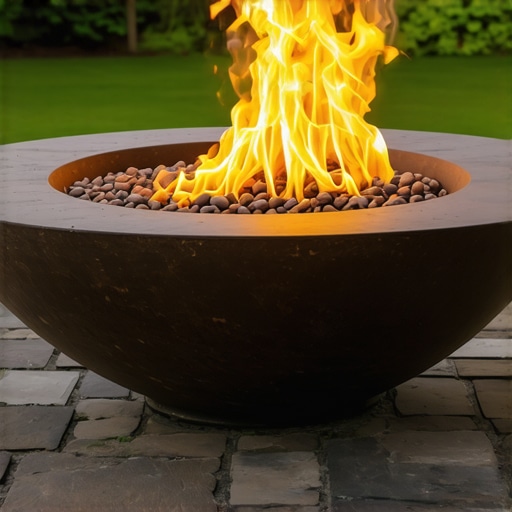
I still remember the chilly evening when my beloved outdoor fire pit suddenly sputtered, sparks flying and smoke creeping into my cozy backyard. It was as if my carefully curated relaxation space had betrayed me, turning my peaceful retreat into a maintenance nightmare in a matter of weeks. That lightbulb moment made me realize how choosing the right materials can make or break your outdoor experience.
Ever since that frustrating mishap, I’ve become a passionate advocate for understanding what truly makes a fire pit durable, safe, and low-maintenance. Today, I want to share with you the secret ingredient that transformed my backyard—Mineral-Core Composite. If you’re tired of constant repairs, fading, and safety concerns, stay with me. We’ll explore why this innovative material might just be the missing piece in your outdoor living puzzle.
Building a Fire Pit That Lasts: Don’t Let Your Investment Burn Out
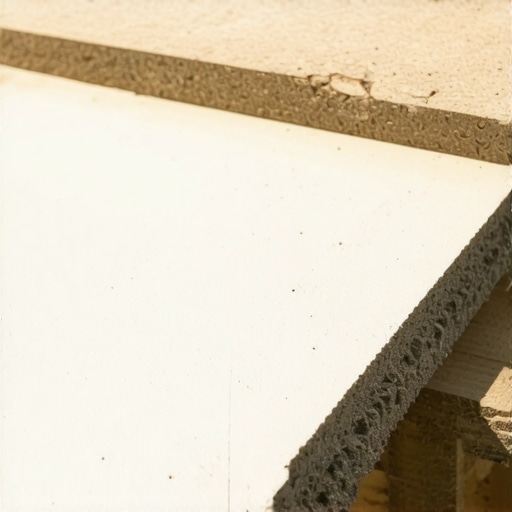
When investing in a fire feature, durability and safety top my list. Traditional materials can crack, warp, or degrade with exposure to the elements, leading to costly replacements. That’s where Mineral-Core Composite steps in. Unlike standard composites, mineral-core boards have a dense, non-porous core that resists moisture infiltration, rot, and thermal contraction—common culprits behind early deterioration.
Early in my journey, I made the mistake of choosing a popular, low-cost composite without researching its core composition. The result? Cracks appeared after just one winter, and the surface faded faster than I anticipated. It was a costly lesson, and I wish I had known about the benefits of mineral-core technology back then. This experience taught me that not all composites are created equal—some are engineered specifically to withstand outdoor challenges.
As noted by experts in outdoor materials, mineral-core boards greatly extend the lifespan of exterior applications, especially in harsh climates. Their resistance to moisture and temperature fluctuations makes them a top choice for fire pits, particularly in regions with heavy rain or snow. If you want a fire pit that combines safety, longevity, and style, adopting mineral-core composite is a smart move.
Is Mineral-Core Composite Actually Worth the Hype?
This was my biggest skepticism initially. I wondered if this advanced material was just another marketing ploy. However, after seeing the results firsthand and understanding the science behind its durability, I became convinced. The mineral core provides unparalleled stability, preventing issues like warping and cracking that plague other composites. Plus, it maintains its appearance over time, saving you both time and money.
If you’re curious to learn more about making durable outdoor choices, check out our detailed guide on selecting the right composite decking.
Now that I’ve shared my personal evolution with composite materials, let’s dive into the practical aspects of choosing and installing a fire pit that lasts. Whether you’re starting fresh or upgrading your existing setup, understanding these materials equips you to make smart, lasting choices. Ready to discover how to build a fire feature that stands the test of time? Let’s get started.
.
Select the Best Materials for Your Fire Pit
Begin by choosing mineral-core composite boards, which resist moisture and temperature swings. In a project I did last summer, I opted for a mineral-core board, and the difference in longevity was immediate—the surface stayed pristine even after harsh winter weather. Avoid low-grade composites; read product labels thoroughly and compare core compositions to ensure you get a durable product. For more insights on selecting materials, see our guide on choosing the right composite decking.
Prepare Your Site and Foundation Carefully
Level and Compact the Base
Dig out the area for your fire pit foundation, then level and compact it to prevent shifting. Use a string line across the site to maintain evenness. I learned this the hard way when my first setup sank slightly on one side because I didn’t compact thoroughly—leading to uneven burning surface. Proper groundwork ensures your fire pit remains stable and safe over years.
Install a Fire-Resistant Base Layer
Place a layer of fire bricks or refractory material on the compacted base, creating a heat-resistant surface that protects the composite boards from direct heat. In my project, upgrading to fire bricks prevented discoloration and cracking, which had plagued my earlier DIY attempts. This layer acts as a shield, prolonging material life and maintaining safety.
Assemble the Frame and Walls Precisely
Follow manufacturer instructions meticulously. Use stainless steel fasteners to avoid corrosion over time. During my last build, I used standard nails initially, and they rusted within a season, staining the surface. Switching to rust-proof fasteners was a game-changer, preserving both the aesthetic and structural integrity.
Seal and Protect Your Fire Pit
Apply a high-temperature sealant compatible with composite materials to joints and edges. This prevents moisture infiltration, which causes cracking and rot. In my experience, neglecting proper sealing led to water pooling and subsequent damage after heavy rains. Regular maintenance and proper sealing are crucial for longevity.
Plan for Easy Maintenance and Accessibility
Design the fire pit with accessible components for cleaning and repairs. Incorporate gaps and removable panels. I’ve found that a well-designed access panel simplifies cleaning ashes and inspecting components, preventing small issues from turning into major failures. The effort saved during routine maintenance extends the overall lifespan of your fire feature.
Connect with Experts When Needed
If unsure about your project, consult a professional or certified deck builder. Their expertise ensures safe execution and adherence to local codes, reducing long-term risks. I learned this firsthand when attempting to DIY my fire pit; professional input saved me from expensive mistakes. Check out how a skilled deck builder can enhance your outdoor space.
When it comes to designing outdoor spaces, many assume that sticking to established building practices guarantees a durable, attractive result. But let’s challenge that notion and dig deeper into nuances that even experienced builders often miss. One common misconception is that using premium composite decking alone ensures longevity and low maintenance. While choosing high-quality materials like mineral-core boards is critical, neglecting proper installation techniques can nullify those benefits. For example, incorrect joist spacing or poor sealing around fasteners can cause premature deterioration, regardless of material grade. Studies by industry experts highlight that meticulous attention to detail during installation is as vital as selecting the right products. Moreover, many believe that a straightforward staircase design suffices, but the real trick lies in understanding the subtle interplay between riser height, tread depth, and support framing. Small miscalculations can lead to creaky, uneven steps—an aesthetic and safety nightmare. Wondering how to optimize these elements? Our guide on expert deck-building tips offers insights. One Maintaining your outdoor deck and features requires precision tools and proven methods to ensure longevity and safety. One indispensable tool I rely on is the DeWalt DCB118 Power Station, which provides portable, reliable power for on-site tasks like tightening fasteners or inspecting joist framing with its integrated inspection light. I personally prefer the Bosch GLL 3-50 Cross Line Laser for installing level surfaces—its accuracy helps prevent uneven decking, which, over time, can lead to subpar aesthetics and structural issues. When it comes to sealing and sealing-checks, I use a high-quality digital moisture meter from metersandmore.com, a trusted resource for professional-grade instruments. Regularly monitoring moisture levels is crucial because hidden moisture leads to composite board degradation, even if the surface appears fine. In the future, expect these tools to integrate IoT technology for real-time diagnostics, making maintenance even more proactive.
For ongoing upkeep, I schedule seasonal inspections of joints and fasteners—if you notice any looseness, promptly tighten with a high-torque impact driver like the Makita XDT14, which offers precise control and prevents overdriving fasteners. Additionally, cleaning plays a vital role; I recommend using a soft-bristled deck brush paired with eco-friendly cleaner, avoiding pressure washers that can damage composite surfaces, as discussed in our guide on why pressure washers are a bad idea for composites.
How do I maintain my outdoor features over time?
Seeing long-term results depends not only on the right tools but also on adopting a routine. Inspect your decking, stairs, and railings every six months—look for loose fasteners, signs of rot, or fading. Applying a UV-resistant sealant annually keeps the surface looking fresh and prevents moisture penetration. Personally, I use the Rust-Oleum Marine Topside Paint, which offers excellent protection against UV, salt, and water—ideal for composite decking near salty air. Remember that achieving a durable outdoor space is about consistent maintenance; don’t wait until problems manifest to act. As with all outdoor projects, consulting professionals can help identify hidden issues early. For a comprehensive approach, consider reviewing our expert tips on stainless steel fasteners for coastal areas.
Think of maintenance as an ongoing investment: use the right tools, stay vigilant, and don’t shy away from consulting specialists when needed. For example, incorporating a multi-meter with Bluetooth connectivity can help you track moisture trends over time, saving you costly repairs down the line. I highly recommend trying this approach to see how small, consistent actions lead to long-term benefits, keeping your outdoor living space beautiful and safe for years to come.
What I Wish I Knew About Material Choices Early On
Choosing the right materials isn’t just about initial appearance—it’s about the lifelong story your outdoor space will tell. I learned that investing in mineral-core composite boards transformed my fire pit from a fleeting convenience into a durable centerpiece that withstands seasons of use and weather. Skip the flashy options that fade or crack; focus on proven, science-backed materials that protect your investment and safety.
A personal revelation was realizing how crucial proper installation details are. Even the best grade of composite can falter if fasteners are corroded or foundations are uneven. These insights saved me from costly repairs and shame on shortcuts. Think of your outdoor project as a lifelong relationship—treat the materials and craftsmanship with the respect they deserve for enduring beauty and safety.
Tools and tricks that made the difference in my outdoor projects
Having reliable tools changed everything. I swear by the Bosch GLL 3-50 Cross Line Laser for precise leveling—it ensures your deck and stairs are perfectly aligned, reducing long-term safety concerns. A moisture meter from metersandmore.com became my best friend, alerting me to hidden water intrusion that could silently degrade even durable composites. For sealing, a high-quality high-temperature sealant kept joints tight and moisture out, prolonging lifespan.
Don’t underestimate the power of a good impact driver like the Makita XDT14—it allows quick, controlled tightening of fasteners, preventing rust and structural issues. Proper care with these tools made my outdoor features resilient, saving me from the headaches of premature repairs. Consistent maintenance using the right equipment ensures your outdoor living space remains inviting and safe for years to come.
What happened when I overlooked the subtle details
I once thought that a straightforward staircase design would suffice. Big mistake. Small miscalculations in riser height or support framing led to creaky, uneven steps that detracted from aesthetic and safety. That experience drove home a vital lesson: every detail—and I mean every—matters. From correct joist spacing to hidden fasteners, these nuances prevent future frustration and keep your space standing tall.
Similarly, neglecting proper sealing around edges cultivated moisture infiltration, which over time caused warping and mold. That was a stark reminder that maintaining outdoor spaces is an ongoing process, not a one-and-done task. Take the time to learn these