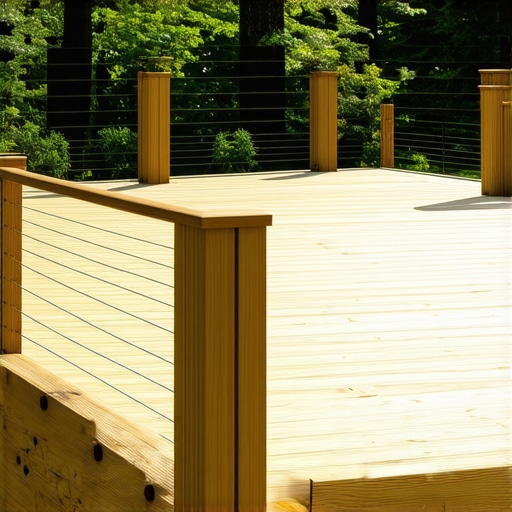
It was a sunny Saturday afternoon when I first realized I had made a crucial mistake on my deck project. I had spent hours meticulously framing and installing my railing posts, only to discover once everything was painted and in place that the structural integrity didn’t quite feel right. That nagging wobble, the uneven gaps—I knew I’d cut corners somewhere. Looking back, the culprit was clear: I had notched the deck railing posts early on, thinking I was saving time and effort. But all I was really doing was inviting future headaches.
Discovering the Hidden Costs of Not Notching Posts
If you’ve ever built your own deck or contemplated doing so, chances are you’ve heard about notching posts to make railing installation easier. For years, it was a common practice—slicing into posts to create flush connections, supposedly for a cleaner look and simpler assembly. However, over time, I’ve come to understand that this approach often causes more harm than good. Notching weakens the structural strength of the posts, making them susceptible to cracking, splitting, or warping, especially when exposed to changes in weather.
Frame Your Deck Carefully
Begin by marking your deck perimeter accurately with stakes and string, ensuring alignment with property lines and unobstructed access. Use a durable, weather-resistant lumber like pressure-treated wood for the frame. When laying out joists, set consistent spacing—16 inches on center is standard—and double-check measurements frequently. Your goal is a solid skeleton that can support furniture and foot traffic without sway or bounce. I once sketched my layout on scrap paper, then used a chalk line to transfer it onto the ground, which saved me from costly mistakes later.
Install Secure Support Posts
Post location is critical for stability, especially on sloped terrain. Use concrete footings and level shims to ensure posts stay upright over time. Excavate the footing area, fill with gravel for drainage, then set form tubes to pour concrete. Remember to embed the posts according to your design—posts should be flush with the top of the framing or as per your railing height. I personally used leveling shims under each post base, which prevented any future sinking or tilting, maintaining a level surface for the entire deck.
Connect Deck Boards Efficiently
Composite decking offers the advantage of low maintenance, but it requires precise spacing to account for thermal expansion. Use spacers designed for your deck board width—typically 1/8 inch—to create uniform gaps. When fastening, use hidden fasteners to hide screws and provide a clean appearance. I once tried face-screwing my boards, but the resulting uneven gaps and visible screw heads made the finish look amateurish. Switching to clip system improved aesthetics and ensured consistent spacing across the entire deck.
Build Elegant Stairs That Last
Fit your stairs to match your deck’s style and function, paying attention to riser height and tread depth. Code-compliant stairs generally have a 7-1/4 inch riser and 11-inch treads. Use weather-resistant stringers cut accurately using a framing square and a jigsaw. To prevent creaking, reinforce joints with metal brackets and secure all components tightly. I once built a staircase with floating steps—by attaching the stringers securely to the deck ledger and installing locking hardware, the stairs stayed sturdy and squeak-free despite heavy use.
Finish with Safety and Style
Apply slip-resistant coatings or textured paint to stairs and walkways, especially in shaded or damp areas. Railing height should follow local building codes—generally around 36-42 inches—to ensure safety without blocking views. For aesthetic appeal, consider staining or painting to complement your home exterior. In my project, I chose a dark stain that contrasted beautifully with white railing, enhancing curb appeal. Proper sealing around joints and post bases prevents water intrusion and prolongs your deck’s lifespan, making it a true outdoor haven.
Even seasoned DIYers often buy into misconceptions about deck construction, especially regarding composite decking and stairs. Common advice suggests that using cheaper fasteners or avoiding professional consultation won’t impact durability, but this is a myth worth challenging. Many underestimate the importance of precise framing and the nuances of material selection, which can lead to costly mistakes down the line. For example, selecting the wrong fasteners for composite materials can cause rusting and staining, undermining the aesthetic and structural integrity. Expert sources, like the latest industry studies, emphasize that proper fastener choice and installation techniques significantly extend the lifespan of outdoor structures.
What advanced deck builders know about material behavior that amateurs overlook
One often overlooked aspect is thermal expansion in composite decking. Unlike wood, composites can expand and contract with temperature fluctuations, leading to warping or buckling if not installed with adequate gaps and allowances. Many assume that once laid, composite boards are a fixed solution; in reality, understanding their behavior under different climate conditions is crucial. This nuance becomes especially critical in regions with drastic seasonal changes. Incorporating expert guidance and latest trends, like those highlighted in our comprehensive guides, can help avert these issues proactively.
Furthermore, advanced builders recognize the importance of detailed craftsmanship in stair design for both safety and aesthetic consistency. Improper stringer spacing or misaligned risers can cause creaking, wobbling, or even safety hazards. One common mistake is neglecting to reinforce stair stringers properly, which can lead to early deterioration. According to top industry standards, employing steel brackets and properly leveling stairs are key to longevity. For more advanced tips on creating safe and beautiful stairs, check our [designing safe and stylish stairs](https://deckdesignbuild.com/designing-safe-and-stylish-stairs-for-outdoor-decks-in-2025) guide.
Let’s not forget the myth that DIY is always cheaper. While initial savings are tempting, neglecting professional consultation or cutting corners often results in higher costs due to rework or structural failure. Engaging with a [professional deck builder](https://deckdesignbuild.com/the-benefits-of-working-with-a-professional-deck-builder-in-your-outdoor-projects) can provide long-term value, safety, and peace of mind.
Are you aware of these subtle yet critical aspects? Share your experiences or questions below. Have you ever fallen into this trap? Let me know in the comments.
Tools That Make Deck Maintenance Easier
Maintaining your composite decking and stairs over time requires precision and the right equipment. I personally rely on a cordless impact driver equipped with the appropriate bits for fastener removal and replacement, ensuring screws and clips stay flush and secure. For cleaning, a high-pressure nozzle attached to a garden hose helps remove dirt without damaging the composite surface—just be sure to keep the pressure below 1500 PSI to avoid etching. When it comes to inspecting your support posts, I use a laser level to quickly identify any unevenness that could compromise stability, especially important after harsh winters or heavy use.
Routine Maintenance for Long-Term Performance
Preventative care is key. Regularly inspect for loose fasteners or cracked boards, addressing issues before they escalate. Applying a penetrating sealant to cut ends and joints can significantly extend the lifespan of wood support elements, even in composite decks. Schedule an annual cleaning with a gentle soap and soft-bristle brush, avoiding harsh chemicals that could degrade the surface. Additionally, I recommend sealing around post bases to prevent water ingress—a common culprit behind early deterioration, especially on unsupported or poorly flashed areas.
Future-Proofing Your Outdoor Spaces
As trends evolve, so do maintenance techniques. Smart sensors embedded in deck posts or stairs can monitor moisture levels and structural shifts, alerting you proactively. High-tech sealers that offer UV protection and mold resistance are becoming more accessible, providing ongoing defense against weather-induced wear. Incorporating these technological advances ensures that your outdoor living area remains inviting and safe for years to come.
How do I maintain composite decking and stairs over time?
Focus on regular inspections, gentle cleaning, sealing vulnerable areas, and leveraging modern tools like laser levels and impact drivers. Staying proactive with maintenance not only preserves your deck’s appearance but also prevents costly repairs down the line. For example, using a premium fastener recommended for high-traffic areas guarantees your structure stays solid and safe. Consider trying out a smart moisture sensor to get early warnings about hidden issues beneath your deck—it’s a game-changer for long-term durability.
Remember, combining proper tools with routine maintenance lays the foundation for your outdoor space to thrive. Planning for future upgrades, like integrating low-maintenance materials or smart monitoring, can also keep your deck looking and functioning great well into the future. Check out our guide on seamless outdoor transitions to explore more ways to enhance your deck’s longevity and style.
The Hardest Lesson I Learned About deck builder,outdoor living,composite decking,stairs
One of the most crucial lessons was realizing that shortcuts in framing and post notching can lead to long-term structural issues. I once thought saving time by skipping detailed measurements would be fine, but it ultimately caused wobbling and safety concerns that took far more effort to fix later. Patience and precision truly pay off.
3 Myths About deck builder,outdoor living,composite decking,stairs That Held Me Back
I believed that composite decking didn’t require sealing or maintenance, which isn’t entirely true. Also, I thought all fasteners were created equal—skimping on quality can cause rust and appearance problems. Lastly, I assumed DIY wouldn’t need professional input, but expert insights often prevent costly mistakes.
What Experts Won’t Tell You About deck builder,outdoor living,composite decking,stairs
Many seasoned builders emphasize understanding material behavior—like thermal expansion in composites—to prevent buckling. They also highlight the importance of proper stair reinforcement and precise joist spacing to ensure safety and longevity, details often overlooked by amateurs.
My Essential Toolkit for deck builder,outdoor living,composite decking,stairs
I rely on a quality cordless impact driver for fastener installation and removal, ensuring a smooth workflow. A laser level is indispensable for accurate measurements and alignment, especially on uneven terrain. Using weather-resistant fasteners and spacers designed for composites ensures durability and consistent gaps—key for a professional finish.
Where to Go from Here
Continue expanding your knowledge with trusted resources like our comprehensive guides on designing safe and stylish stairs and the latest trends in composite decking. Investing in quality tools and staying informed can transform your outdoor space into a durable, beautiful retreat. Remember, ongoing learning is the secret to long-term success in deck building.
Embrace Your Outdoor Vision Today
If you’re ready to bring your outdoor living ideas to life, understanding these deep insights can make all the difference. Building a deck isn’t just about looks—it’s about creating a safe, lasting space for memories. Take the first step now, and don’t hesitate to seek professional advice when needed. Your perfect backyard oasis awaits—are you prepared to make it happen?