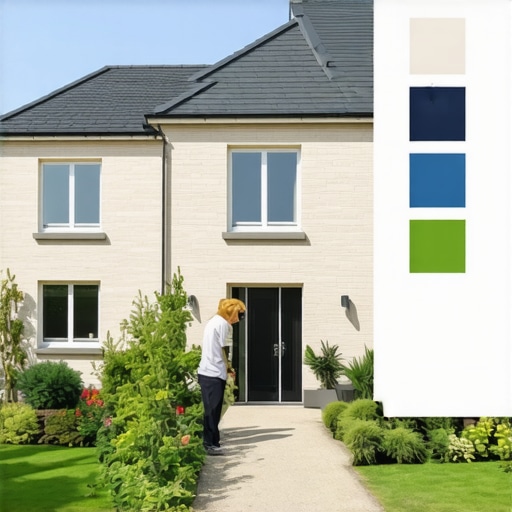
Imagine this: I spent weeks picking out the perfect deck color, envisioning warm hues that would complement my outdoor space. But once the deck was built, I realized something was off. The color looked dull and washed out, almost as if it hadn’t been chosen for my home’s orientation. It was a wake-up call. I had overlooked a crucial detail—my house faces north, which drastically affects how sunlight interacts with exterior colors.
Dealing with a north-facing house is tricky enough without adding the wrong deck color to the mix. I found myself frustrated, questioning whether I picked a bad color or if the lighting was the problem. Turns out, it was a bit of both. This experience taught me a valuable lesson that I want to share with you today: selecting the right deck color isn’t just about style; it’s about understanding how your home’s orientation affects visual appeal and durability.
So, if you’ve ever faced the headache of choosing a hue that just doesn’t pop or looks dull in your yard, stick around. I’ll guide you through practical tips to pick a deck color that not only looks stunning but also withstands the unique lighting conditions of north-facing homes.
The Challenge of North-Facing Homes and Color Selection
Is All Brightness Created Equal for Decks?
My early mistake was assuming that light conditions wouldn’t make a big difference. I thought a bold, dark color would look dramatic and make my deck stand out. Nope. For north-facing exteriors, sunlight is minimal, and the limited light tends to cast a cooler, bluish tone. Dark colors in such conditions can make your deck look gloomy and less inviting. Moreover, they tend to absorb more heat, which might be a concern for comfort.
Conversely, lighter shades reflect what little sunlight is available, making your space feel more open and lively. I learned this the hard way when my dark-gray stain made my deck seem even darker in the shade. Now, I’m a firm believer that choosing the right color requires understanding how sunlight— or the lack thereof— interacts with your paint or stain.
Building on this, I found that using warm, light-toned composite decking can transform an otherwise dull yard into a welcoming retreat. Curious about the latest trends? Check out [composite decking trends for 2025](https://deckdesignbuild.com/composite-decking-trends-2025-the-ultimate-guide-for-outdoor-enthusiasts) to see how colors and materials are evolving.
Are you tired of your deck looking washed out or gloomy? Do you want a space that feels bright and lively despite limited sunlight? Let’s dive into practical steps to make sure your deck color choice enhances your outdoor living experience, not detracts from it.
Selecting Color Options That Brighten North-Facing Homes
Start by browsing light, warm shades like cream, taupe, or soft pastels. During my project, I visited a local paint shop and brought samples outside to observe how they looked under limited sunlight. I found that lighter tones reflected available light better, making my deck appear more inviting. Prioritize colors with high light reflectance values, which you can find in product datasheets or consult with specialists at your local home improvement store. Avoid dark hues, as they absorb little light and can make the area feel gloomy. Choose composite decking options with subtle color variations to add depth and prevent a flat look, and verify durability specifications to ensure they withstand shaded conditions.
Test Colors in Real-World Conditions Before Committing
Apply small test patches or boards with your top color choices on your deck. I did this by staining a few pieces and installing them in shaded areas to assess how natural light affected their appearance. This hands-on step was crucial because digital swatches often look different in actual outdoor lighting. Observe these patches over several days: note how the color looks at different times, especially in the early morning and late afternoon when light levels are low. Adjust your selections based on these real-world experiments, choosing hues that keep your space bright and lively. This proactive approach prevents costly mistakes and ensures your new deck color remains vibrant over time.
Use Complementary Materials and Accents
Enhance your deck’s visual appeal by incorporating elements that reflect or contrast with your chosen color. For example, pairing light-colored decking with darker railings or furniture creates a balanced look. I added white aluminum balusters in my project, which provided a sleek contrast and kept the space feeling open. Incorporate outdoor lighting fixtures that highlight the color’s warmth or brightness during nighttime. Additionally, plan for accessories like cushions, umbrellas, or planters in complementary shades to tie the design together. Thoughtful accents make your outdoor space more inviting without overwhelming the primary deck color.
Coordinate with Surrounding Environment for Harmony
Ensure your deck color harmonizes with your home’s exterior siding and landscaping. For my north-facing house, I chose a soft beige that blended seamlessly with the cream-colored walls, creating a unified look. Use online visualization tools or request swatches from suppliers to compare options against your home’s palette. Consider natural elements like greenery or stone features; warm neutral hues can bridge these features and make the overall outdoor space cohesive. This harmony enhances curb appeal and creates a serene environment that feels intentional and well-designed.
Consult Professionals for Final Decisions
When in doubt, seek advice from deck installation professionals or design consultants. My experience was that experts provided insights into how specific colors perform under shaded conditions and suggested durable products with excellent color retention. They can also advise on how to incorporate trends, such as those highlighted in [composite decking trends for 2025](https://deckdesignbuild.com/composite-decking-trends-2025-the-ultimate-guide-for-outdoor-enthusiasts), ensuring your deck stays stylish and functional. A professional assessment helps avoid pitfalls like choosing colors that fade or turn dull quickly in low-light settings, saving you time and money in the long run.Many homeowners believe that choosing the right material or design element is straightforward, but in reality, there are nuanced pitfalls that can undermine your entire project. For example, one common myth is that all composite decking performs equally well in shaded or low-light areas. Actually, not all brands are created equal; some stay cooler and cleaner longer, which is vital for shaded zones where algae and mold can thrive if the right product isn’t selected. According to industry experts, opting for capped composite brands with superior stain and mold resistance can dramatically extend your deck’s lifespan, especially in less sunny spots. Additionally, many assume that stairs are a straightforward element of outdoor design. In truth, improperly designed stairs — without adequate riser heights or edge visibility — can pose safety risks that may not be immediately apparent. For instance, inconsistent riser heights can lead to tripping hazards, a common oversight that often results in costly repairs later. To avoid this, consult resources like [designing safe and stylish stairs for outdoor decks in 2025](https://deckdesignbuild.com/designing-safe-and-stylish-stairs-for-outdoor-decks-in-2025), which offers detailed guidelines on stair dimensions and materials. From an advanced perspective, some experts challenge the idea that bigger or more elaborate decks always add value or enjoyment to a property. Instead, optimizing your outdoor space with flexible, multi-functional features — like integrated seating or adaptable lighting — can provide more lasting benefits. Using [inspiring deck and stair ideas for every budget](https://deckdesignbuild.com/maximizing-outdoor-space-inspiring-deck-and-stair-ideas-for-every-budget) can help tailor a design that balances aesthetics and practicality without overbuilding. Here’s a crucial trap many overlook: neglecting the evolving trends in composite decking, such as those predicted for 2025, which emphasize low-maintenance, environmentally friendly, and digitally customizable options. Selecting outdated styles can leave your outdoor space feeling disconnected from modern aesthetics or utility. Be aware that inferior installation techniques, such as improper fastening or inadequate flashing, can accelerate wear and compromise safety. For instance, if fascia boards are installed improperly, they can trap moisture and rot, drastically reducing the deck’s durability. For detailed tips, check out [seamless transitions with stairs as key elements](https://deckdesignbuild.com/creating-seamless-transitions-stairs-as-key-elements-in-outdoor-living). Ultimately, the secret to successful outdoor projects lies in understanding these intricate details and avoiding the common pitfalls that even seasoned DIYers or contractors might overlook. Don’t let superficial choices diminish the beauty and safety of your outdoor oasis. Have you ever fallen into this trap? Let me know in the comments.
How do I maintain my composite decking and stairs over time?
Regular maintenance is essential to ensure your outdoor living spaces remain beautiful and functional for years. I personally rely on a few key tools and practices that streamline this process. First, a high-quality cordless power washer, like the Sun Joe iON, allows me to clean decks without risking damage, provided I stay within recommended pressure limits. It’s crucial to avoid traditional pressure washers with excessive PSI, which can erode the composite surface and cause long-term damage. For spot cleaning or stubborn stains, I use a mixture of warm water and a gentle, biodegradable cleaner—avoiding harsh chemicals that could degrade your decking material. Tip: Always test any cleaning solution on a small inconspicuous area first. After washing, I apply a specialized composite deck protector, such as the Behr Premium Protect, which slows down stain buildup and algae growth, especially in shady areas. Maintaining hardware like railing fasteners and joists is also vital; I recommend using a torque wrench to check fastener tightness annually, preventing wobbling or structural issues. For long-term results, embracing annual inspections and prompt repairs prevent small problems from escalating. The future of outdoor maintenance trends points toward smarter, eco-friendly solutions—such as robotic cleaners and eco-adhesive repairs—making upkeep more efficient. To stay ahead, I suggest exploring innovative products like self-healing sealants that respond to moisture and temperature changes, prolonging your deck’s life.
Experience more with advanced tools and techniques
In my journey, I’ve found that investing in a digital moisture meter helps monitor wood for hidden rot or mold, especially underneath the surface where visual inspection isn’t enough. This can be invaluable for ensuring stair stringers or joists are sound and safe. Additionally, for scaling outdoor spaces or complex designs, I utilize 3D visualization software to simulate changes and anticipate future wear, saving time and resources during the actual build or maintenance phases. With trends shifting toward minimal fuss, I predict a rise in integrated sensor systems that alert homeowners to issues like moisture intrusion or structural stress—viewing maintenance as a proactive rather than reactive task. Action step: Try incorporating a moisture meter into your routine. Regular, precise measurements can identify problems early, saving you money and hassle down the line. Proper maintenance not only extends the life of your composite decking but also ensures your outdoor spaces remain welcoming. For expert insights into selecting durable, low-maintenance materials, check out Choosing the Right Composite Decking. Keep your outdoor haven stunning and safe by staying on top of maintenance with the right tools and a bit of strategic planning—your future self will thank you.
The Real Lessons I Didn’t Expect to Learn
- One of my biggest surprises was realizing that choosing the trendiest colors isn’t always the smartest move. Instead, understanding your home’s unique lighting and environment can make or break your deck’s aesthetic. I learned that a color that looks stunning online may appear dull or off-tone when faced with limited sunlight. Trust me, taking the time to test samples in real conditions is invaluable.
- Another insight was the importance of embracing durable, low-maintenance materials. Initially, I thought all composite decking was the same, but diving into brands with proven performance in shaded, cooler areas revealed significant differences. This discovery saved me from future stains, mold, and fading issues, transforming my outdoor space into a long-lasting oasis.
- Adapting my design approach to harmonize with my surroundings has been eye-opening. Pairing my light-colored deck with surrounding greenery and neutral tones created a cohesive, inviting environment. It’s a gentle reminder that outdoor spaces thrive when they resonate with their natural context, not just current trends.
Your Next Move Starts Here: Tools and Resources That Changed My Decking Journey
- Composite decking guides: The article on choosing durable and low-maintenance composite decking provided me with the foundation needed to pick materials that withstand shaded environments and reduce upkeep.
- Visualization tools: Using software like SketchUp helped me envision how different colors and materials would look in real sunlight, preventing costly mistakes and ensuring harmony with my home’s exterior.
- Professional advice: Consulting with experienced deck builders and design experts revealed nuances I’d never considered—like proper fastening techniques and venting strategies for shaded decks—which contributed to the longevity and safety of my project.
- Maintenance innovations: Learning about eco-friendly, self-healing sealants and moisture monitoring devices from industry blogs empowered me to stay ahead of issues, saving time and money.
Make Your Dream Deck a Reality — Your Outdoor Adventure Awaits
Remember, the journey to creating a stunning, durable outdoor space isn’t just about picking colors or materials. It’s about understanding your home’s unique qualities and applying that insight with the right tools and expert guidance. Every lesson learned along the way has the potential to turn your outdoor living into a personal sanctuary. So get inspired, stay curious, and take that next step towards your perfect deck—your outdoor adventure starts now. Have you ever faced a challenge in matching your deck’s color to your home’s lighting? Share your story below and let’s learn together.