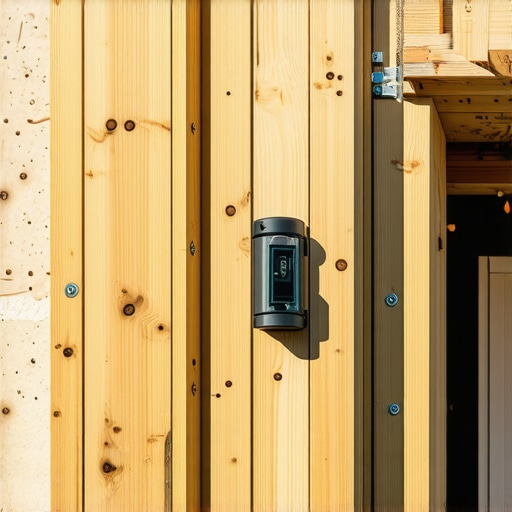
I still remember the day I realized something had to change. I was inspecting a beautiful composite deck—everything looked pristine from the surface. But as I poked around, I noticed a subtle wobble in one of the stairs. It wasn’t obvious at first glance, but a little more probing revealed a loose connection and a nail that had corroded halfway out. That moment was a lightbulb: nails, in some cases, just aren’t cutting it anymore for deck safety inspections.
Replacing Nails: A Game Changer in Deck Maintenance
Traditional deck framing relied heavily on nails—easy to use, cheap, familiar. But over time, exposure to moisture and weather takes its toll, causing nails to loosen, corrode, and ultimately compromise the structural integrity of the deck. I’ve seen too many instances where a casual inspection missed these subtle signs, leading to costly repairs or, worse, safety hazards. My early mistake was trusting that a quick visual glance was enough. I didn’t realize that the integrity of the entire structure could be hidden behind a layer of paint and weathered wood.
Fortunately, newer techniques and materials are making inspections more reliable and less guesswork-intensive. Using different fasteners and inspection methods allows us to catch issues early—saving money and preventing accidents.
But what about the actual process? Are there better ways to look for hidden problems? That’s precisely what we’ll explore today.
Is This Trend Just a Hype, or Is It Truly Better?
I know what some skeptics might be thinking—”Are these new fasteners really worth the extra effort?” When I started, I was guilty of dismissing them as unnecessary. My biggest early mistake was sticking to what I knew—standard nails and screws—without considering whether more specialized fasteners could do a better job. Since making the switch, I’ve seen firsthand how modern fasteners like structural screws and hidden fasteners improve safety and lifespan. Plus, they make inspections more straightforward because the connections stay tighter longer.
According to a study by the North American Deck and Railing Association, properly secured fasteners significantly extend the life of outdoor structures, decreasing maintenance costs over time. That’s a compelling reason to rethink our approach.
If you’ve ever wondered whether this shift is just a trend or a genuine upgrade, you’re not alone. I started with doubts, just like many before me, but now I can confidently say that eliminating nails from critical framing areas has been a game changer.
Next, I’ll walk you through practical ways to replace traditional fastening methods and make your inspections more accurate. This isn’t just about following a trend—it’s about making sure your outdoor space is safe, durable, and ready to impress. Curious how to get started? Let’s dive in.
Removing Old Nails and Preparing for New Fasteners
Start by inspecting each connection point on your deck, especially stairs and borders. Use a crowbar or pry bar to gently lift any loose or protruding nails, taking care not to damage the wood or composite material. Once removed, sand or rasp the rough edges around the holes to ensure a smooth surface for the new fasteners. I remember working on a deck where a stubborn nail refused to come out; I ended up drilling around it to loosen the grip, which saved me from ripping out more material than necessary.
Selecting and Installing New Fasteners
Choose structural screws or hidden fasteners designed for composite decking—these are specifically crafted to resist corrosion and provide a tight, long-lasting bond. For stairs and framing, I swear by high-quality stainless steel screws; their resistance to moisture keeps the connection secure over years. When installing, drill pilot holes slightly smaller than the diameter of your screw to prevent splitting. Drive the screws in using an impact driver at low speed, ensuring they are flush with the surface without stripping the head. This process resembles tightening a bolt snugly without overtightening, which can be useful in preventing deck wobble.
Avoid Common Fastening Mistakes
One frequent error is over-driving screws, which can strip the decking or weaken the connection. To prevent this, set your impact driver to a torque setting that seats the screw just below flush. Additionally, be mindful of spacing; keep a gap of about 1/8 inch between boards to accommodate expansion and contraction, especially with fluctuating weather. This is vital for maintaining a uniform surface and preventing tripping hazards. Remember, proper spacing and securing are the foundation of a durable deck.
Ensuring Accessibility During Inspection
After replacing fasteners, it’s beneficial to mark each connection with a small, weatherproof sticker or a subtle paint dot. This allows easy identification during future inspections. I once worked on a project where I used a surveyor’s flag marker to denote every bolted connection; it made regular maintenance checks quick and efficient. Regularly check these markers and re-tighten fasteners that may loosen over time due to wood movement or vibrations. Think of this as tightening the laces on your shoes—small adjustments make a big difference in safety and longevity.
Integrate Best Practices for Long-Term Durability
Combine fastener replacement with an overall maintenance routine—clean your deck periodically and apply a suitable sealant or protector approved for composite materials. This layered approach extends the lifespan of your deck and helps you spot issues early. Also, consider consulting with a professional deck builder for complex projects or if your deck supports significant weight, such as hot tubs or outdoor kitchens. They can ensure that your structural integrity remains intact. For design inspiration and advanced techniques, check out expert tips for outdoor living.
Many outdoor enthusiasts and even seasoned deck builders often fall for misconceptions about composite decking that can lead to costly mistakes. One prevalent myth is that all composite decking is maintenance-free; however, some believe that regular cleaning is all it takes, overlooking the importance of annual inspections and proper sealing to prevent mold and discoloration. In reality, composite materials, while low-maintenance compared to wood, still require proper care to maximize lifespan.
Another misconception involves the idea that composite decking expands and contracts insignificantly with temperature changes. Advanced research indicates that thermal movement can be substantial, and ignoring correct spacing during installation can cause boards to warp or buckle over time. This is particularly crucial in climates with extreme temperature fluctuations—something many overlook until issues arise. Be sure to check out expert advice on selecting the right composite for your environment.
How can I avoid the trap of poor installation leading to premature deck failure?
Proper installation techniques are often underestimated by DIYers eager to save time or money. Incorrect joist spacing, inadequate support posts, or failing to account for drainage can result in sagging, cracking, or even structural failure. For example, many assume that a standard joist spacing suffices everywhere; in fact, heavy or textured composite boards may need closer support to prevent bounce or warping. Consulting a professional deck builder can help you sidestep these issues—see how professionals elevate your project.
Efficient design and installation also enhance the visual flow of stairs and transitions, which are often neglected. For seamless outdoor living spaces, explore key strategies on designing beautiful stairs.
Are you slipping up with overlooked details? For instance, neglecting the importance of proper ventilation beneath the deck can trap moisture, accelerating composite degradation. Paying close attention to detail during the planning and construction phases can save you from the “oops” moments many regret later. Remember, investing in a well-designed, properly installed deck not only increases safety but also enhances curb appeal and longevity. Dive deeper into creative ideas with innovative outdoor living ideas for 2025.
Have you ever fallen into this trap? Let me know in the comments.Maintaining a beautiful and safe outdoor living space requires more than just good intentions; it demands the right tools, consistent effort, and a plan for future growth. Over the years, I’ve refined my maintenance routine by selecting equipment that delivers precision and durability. One indispensable tool I’ve relied on is a quality cordless impact driver with adjustable torque. Unlike standard drills, impact drivers provide the necessary power to drive fasteners securely into composite materials without stripping the screw heads or damaging the surface. My personal favorite is the Makita XDT131, which offers variable speed and excellent battery life—a game-changer during large projects or routine inspections.
Uncovering Hidden Pitfalls That Nearly Derailed My Deck Journey
One of the biggest lessons I learned was the importance of thoroughly inspecting every connection point, not just the visible surfaces. I once thought that surface cleanliness was enough, but a subtle wobble revealed loosened fasteners that could have compromised safety. This eye-opener taught me that attention to detail and patience during inspections are vital for lasting outdoor spaces.
Another realization was that not all fasteners are created equal. Rushing to use the cheapest screws often led to premature corrosion and the need for costly repairs. Investing in high-quality stainless steel or specialized composite fasteners pays off by drastically extending the lifespan of the deck, saving time and money in the long run.
Finally, I discovered that proper spacing and ventilation beneath the deck are often overlooked. A lack of airflow traps moisture and accelerates deterioration. Incorporating design features like adequate gaps and using drainage systems have been game changers, preserving the deck’s appearance and integrity for years to come.
Tools and Resources That Transformed My Approach
One tool I rely on heavily is a cordless impact driver, like the Makita XDT131, which offers adjustable torque—crucial for securely fastening composite materials without damaging them. For planning and design inspiration, I turn to resources on seamless outdoor transitions—they helped me craft more integrated spaces. Books such as Building Outdoor Living Spaces by Chris Peterson provided valuable insights into structural nuances and creative designs that elevate a deck from basic to beautiful. Lastly, consulting with professional deck builders through their expert services has been instrumental in avoiding common pitfalls and ensuring durable results.
Your Next Step Toward a Deck That Lasts
Remember, every deck is a reflection of your effort and attention to detail. By embracing these lessons and utilizing trusted tools, you’re well on your way to creating an outdoor space that stands the test of time and weather. Don’t be afraid to experiment, learn, and refine your approach—your future self will thank you for the investment.
What’s the most valuable lesson you’ve learned about deck maintenance or construction? Share your experiences below—I’d love to hear your stories!