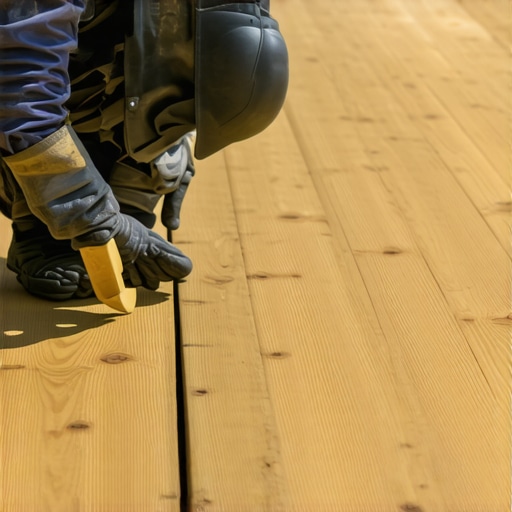
I remember the first time I stepped back after completing my deck project and noticed how unfinished and sloppy the edges looked. It was a small detail, but it nagged at me—the kind of thing that made the whole space feel amateurish. That moment sparked my journey into mastering the fascia board trick for achieving that sleek, professional look that instantly elevates any outdoor space.
Why the Fascia Board Trick Can Make or Break Your Deck’s Look
Building a deck is no small feat. It requires precision, planning, and a good eye for design. But sometimes, it’s the little details—like how you finish the edges—that set apart a good deck from a stunning one. I used to overlook these finishing touches, thinking they were optional or too complicated. But once I learned how a simple fascia board can hide unsightly gaps and framing imperfections, my confidence skyrocketed.
Today, I want to share how this trick transforms a basic deck into a polished extension of your home. It’s not just about aesthetics; proper fascia installation protects the deck’s edges from moisture, extending its lifespan. If you’ve ever struggled with uneven edges or gaps where the framing shows through, keep reading. We’ll explore a straightforward, step-by-step approach to mastering this technique.
Is the Fascia Board Trick Overhyped or Truly Worth It?
Early in my decking days, I made a rookie mistake—assuming that cosmetic finishing wasn’t crucial. Turns out, that oversight caused water intrusion and exposed framing that needed costly repairs. Trust me, I learned the hard way that attention to detail saves time, money, and frustration in the long run. If you’re skeptical about the fuss over fascia boards, you’re not alone. Many deck builders overlook this step, but the difference it makes is remarkable.
So, is this trick worth the effort? Absolutely. Think of it as the finishing touch that crowns your effort, giving your deck a professional, durable, and beautiful appearance. Now, let’s delve into how you can implement this technique seamlessly in your own project. Whether you’re a DIY enthusiast or working with a professional deck builder, understanding this detail will empower you to create a flawless outdoor haven.
Prepare Your Materials and Make Precise Measurements
Start by gathering quality fascia boards, a measuring tape, a pencil, a level, and a circular saw. Measure the perimeter of your deck meticulously, accounting for any curves or angles. Use these measurements to cut your fascia boards to the correct lengths, adding a ¼-inch overhang for expansion. During a recent project, I mistakenly measured twice and cut once, which prevented waste and ensured perfect fitment. Precision here is key to achieving that sleek, professional look.
Install a Continuous Support Frame
Before attaching the fascia, ensure your deck’s underlying support—beam and joists—is level and sturdy. Use a level to verify the entire structure. Attach a cleat or a continuous support strip along the perimeter of the deck just below the rim joist, bolstering stability and providing a mounting base for the fascia. Think of this like reinforcing the backbone of a house before decorating its facade; it makes a visible difference.
Position and Secure the Fascia Boards Carefully
Lay the cut fascia boards against the support strip, aligning the overhang evenly. Use clamps to hold them in place temporarily. Since fascia boards often run along long, straight edges but sometimes need to curve or adjust, it’s crucial to make minor adjustments during installation. Secure each board with corrosion-resistant nails or screws, fixing through the face into the support strip and joists. When I first attempted this, I realized that pre-drilling holes prevented splitting and made the process smoother. Remember, the goal is a flush, even surface that conceals all framing and wiring.
Handle Corners and Joints So They Disappear
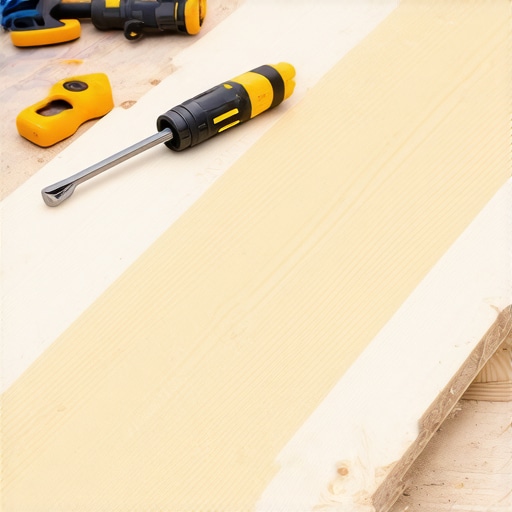
Corners require special attention. Use miter cuts at 45-degree angles to join fascia boards at corners seamlessly. For irregular angles or curves, make gradual, pie-shaped cuts or scribe the fascia to fit precisely. During my initial effort, I struggled to get tight joints, but using a combination square and a chisel ensured perfect fits. Apply a bead of exterior-grade caulk or sealant along joints to prevent moisture ingress and improve visual continuity.
Tip: When working with composite fascia, always check the manufacturer’s recommendations for fasteners and adhesives. Some composites expand or contract differently, impacting fit and finish. For more insights on the latest trends, visit composite decking trends 2025.
When it comes to designing and constructing outdoor living spaces, many enthusiasts and even seasoned builders fall prey to misconceptions that can compromise durability, safety, and aesthetic appeal. Let’s challenge some of these myths and uncover hidden nuances that can elevate your project from good to exceptional.
Why the Popular Belief in DIY Simplicity Can Lead to Costly Mistakes
Many believe that outdoor projects, especially deck-building, are straightforward tasks suitable for weekend warriors. While DIY can be rewarding, underestimating the complexity of proper laying, fastening, and choice of materials often results in issues like wobbling stairs or premature deterioration. For example, choosing the cheapest fasteners might seem economical initially but can lead to corrosion and structural failure over time. According to a study by the Wood Protection Association, using high-quality fasteners and proper corrosion-resistant hardware significantly extends the lifespan of outdoor decks. Thus, trusting only superficial tutorials without understanding the underlying structural principles often leads to costly mistakes.
What Are the Advanced Clues That Your Deck Isn’t Built to Last?
One overlooked aspect is the importance of precise joist spacing and adequate support framing, crucial for maintaining stability under loads and preventing sagging. Many overlook that even composite decking, praised for low-maintenance, has limitations when supported improperly. A regular error is assuming that “standard” spacing applies universally; in reality, factors like climate and load can demand adjustments. Visiting innovative ideas for composite decking can give insights into how tailored support enhances longevity. What surprises many is that improper flashing around ledger boards or poor drainage can lead to hidden water damage, often not visible until costly repairs are necessary. Recognizing the telltale signs early requires understanding the nuances of installation and materials—something that separates amateur from expert craftsmanship.
Keeping your outdoor living spaces in top shape requires the right tools and a solid maintenance routine. Over the years, I’ve found that investing in quality equipment not only simplifies the building process but also extends the lifespan of your deck, stairs, or composite features. In this section, I’ll share the tools I rely on daily and explain why they are indispensable for both initial construction and long-term upkeep.
Choosing the Right Power Tools for Precision and Durability
One of my go-to tools is the Makita LXT Cordless Circular Saw. Its lightweight design coupled with a powerful motor makes cutting composite decking and fascia boards effortless, while its battery life ensures you won’t run out of juice midway through a project. I’ve used cheaper models before, but they tend to lack the precision and battery longevity needed for consistent cuts. For those working on larger or more intricate projects, investing in a Festool Track Saw is worthwhile because it guarantees splinter-free, accurate cuts, especially on long runs of composite material. These tools save time and produce cleaner results, which is crucial for professional-looking finishes.
Measuring and Support Equipment That Prevents Costly Mistakes
Accurate measurements are non-negotiable. I swear by the Bosch Laser Distance Measurer; its ease of use and reliability make it faster than traditional tape measures, especially when measuring multiple perimeter points. When working on stairs or curved decks, precision is everything, and this device helps prevent gaps or misalignments. Additionally, using a DeWalt Level with Magnetic Base ensures your support beams and fascia boards are perfectly aligned, reducing the need for readjustments or corrections later. Spending a little extra on these tools really pays off by avoiding rework and ensuring foundational stability.
Maintenance Must-Haves for Longevity and Safety
To keep your deck and stairs safe over the long term, routine inspections and cleaning are vital. I recommend a RIDGID Wet/Dry Vacuum equipped with a HEPA filter to clear away debris, mold, or dirt that can accelerate wear. Regularly removing dirt and organic matter helps prevent moisture retention and mold growth, particularly in shaded or humid areas. For sealing and protecting composite surfaces, I prefer a high-quality, UV-resistant composite decking sealer designed specifically for this material. It maintains the material’s appearance and prevents color fading over time. Additionally, I keep a supply of stainless steel fasteners on hand to replace any rusted or corroded hardware that could compromise structural integrity.
Future Trends in Deck Maintenance and Tools
Looking ahead, I predict that smart maintenance tools equipped with IoT sensors will dominate outdoor deck care. Imagine a moisture sensor embedded in your fascia that alerts you via smartphone when water infiltration occurs or a drone that performs routine inspections. These innovations will make long-term maintenance more proactive, ultimately saving money and preserving aesthetic appeal. Staying updated with the latest trends by visiting sources like this guide to 2025 composite decking trends can help you leverage emerging technologies.
How do I maintain composite decking and outdoor features over time?
Regular cleaning with gentle, non-abrasive tools like soft brushes and eco-friendly cleaners will keep your surfaces looking new. Avoid high-pressure washers, which can damage the protective layer, as noted in the [industry standard](https://deckdesignbuild.com/why-you-should-never-use-a-pressure-washer-on-composite-decks). Incorporate annual inspections to check for loose fasteners or minor damage, repairing issues promptly to prevent bigger problems. Moreover, applying high-quality, UV-resistant sealants periodically preserves color and prevents degradation, especially in sun-heavy areas. Implementing these straightforward routines with the right equipment guarantees your outdoor living space remains stunning and durable for years to come.
The Hidden Lessons Behind the Fascia Board Trick
One of the most impactful lessons I’ve learned is that perfection is often found in the details. Skipping the fascia board finishing touches may save time initially, but it costs dearly in the longevity and appearance of your deck. I realized that early on when water started seeping through unsealed joints, leading to costly repairs. Now, I meticulously treat fascia installation as a critical step, not an afterthought.
Another lightbulb moment was discovering that every measurement, no matter how minor it seems, influences the overall aesthetic. Double-checking my cuts and supporting frames transformed my projects from shaky to sleek. It’s these small adjustments that create that professional, seamless look most homeowners crave but think are out of reach.
Finally, I’ve learned that patience pays off during corners and joints. Miter cuts and sealing joints may take extra time, but they result in almost invisible seams that stand the test of weather. Embracing patience throughout the fascia process has been a game-changer for me, turning a good deck into an extraordinary outdoor living space.
Tools and Resources That Elevated My Deck Building Game
If you’re serious about elevating your outdoor projects, I recommend investing in quality tools that make precision achievable. The Makita LXT cordless circular saw, for instance, is my go-to for clean, accurate cuts, especially on composite fascia boards. The Bosch laser distance measurer helps me get perfect measurements every time, saving frustration and material waste. For support framing, I rely on the DeWalt magnetic-level for consistent alignment—small investment that yields big results.
Reading industry insights and staying updated with the latest trends also helps. I highly recommend browsing the comprehensive 2025 trends in composite decking. Additionally, consulting expert sites like transition tips for stairs has helped me design more harmonious outdoor spaces.
Your Next Step: Bring Passion to Every Nail and Cut
Creating a deck that turns heads isn’t just about buying the right materials; it’s about dedicating yourself to the craft. Every fascia board you install and fine detail you perfect adds up to a stunning, durable outdoor retreat. Remember, the effort you put in today builds memories and a safe, beautiful space for years to come. Dive into your next project with confidence, knowing that mastery lies in the details.
What’s the most challenging part of fascia installation you’ve encountered? Share your experiences below, and let’s build better decks together!