I’ll never forget the moment I realized my new deck was casting a dull, shadowy gloom over my living room. It was a sunny Saturday afternoon, and I was trying to enjoy my coffee while looking out the window, only to be greeted by a dark, uninviting space where my house’s interior should have been illuminated and welcoming. It was a lightbulb moment that changed everything about how I approached outdoor design.
Why a Dark Deck Can Dim Your Entire Home
Many homeowners overlook the impact their outdoor deck design has on indoor lighting. A poorly planned deck, especially one built close to the house using conventional materials, can block natural sunlight, making your interior feel smaller, gloomier, and less inviting. This isn’t just about aesthetics; it affects your mood, energy consumption, and overall comfort. According to research from the University of California, natural light boosts well-being and reduces stress—so why block it unintentionally?
I learned this lesson the hard way early in my project. I assumed that building the biggest, sturdiest deck would be the best choice. However, I failed to consider how its positioning and design could shadow my windows and reduce daylight reaching my rooms. That mistake could have been avoided with some strategic planning, which is precisely what I want to share with you today.
Could Your Deck Be Blocking More Than Just Your View?
When I first designed my deck, I thought about width, railing style, and aesthetic appeal. But I didn’t think enough about how it might influence natural light inside my house. Many deck builders make the mistake of focusing solely on the outdoor space without considering how overhanging beams, tall posts, or shaded areas could diminish indoor brightness. If you’ve experienced the feeling of dim rooms despite bright, sunny days outside, you’re not alone. It’s a common problem that’s often overlooked until it’s too late.
One thing I know now is that integrating innovative design ideas — such as strategic overhangs, orientation, and materials — can make a significant difference. For example, choosing lighter-colored or reflective decking surfaces not only boosts outdoor ambiance but also allows more light to bounce back into the home. For inspiration, check out some top trends in composite decking that emphasize light, space, and seamless indoor-outdoor transitions.
Now that you understand why this issue matters, let’s explore exactly how you can create a deck that elevates your outdoor living—and your home’s brightness—without blocking your interior light or sacrificing style.
Position Your Deck Strategically to Maximize Light
Start by analyzing your property’s sunlight patterns throughout the day. Place your deck where it receives ample sunlight and minimizes shadow cast over windows. I once planned my deck to run along the north side, thinking it would stay cool. But after consulting a sun path diagram, I realized it would block afternoon sunlight from reaching my living room. Using tools like {https://deckdesignbuild.com/maximizing-outdoor-space-inspiring-deck-and-stair-ideas-for-every-budget|this guide} helpfully pointed out how orientation impacts light.
Use Overhangs and Cantilevers Effectively
Overhangs can cast unwanted shadows if not designed properly. Instead, opt for minimal overhangs or incorporate adjustable sun-shades. Remember, a small overhang in the wrong place is like blocking a window with a bulky curtain—it hampers daylight. When I built my deck, I added a large overhang near the house but kept it shallow on the sides, which allowed sunlight to filter in without creating harsh shadows. {{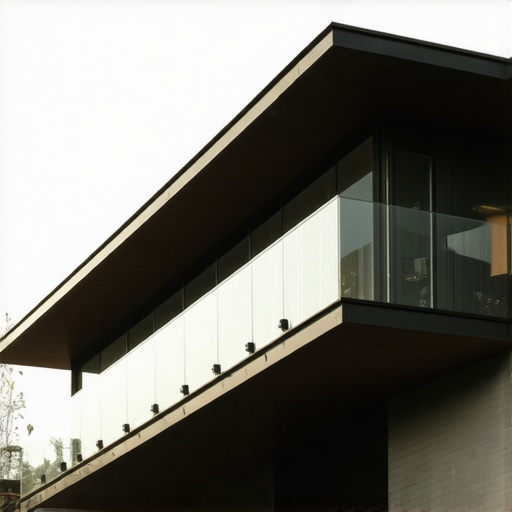 }}
}}
Select Materials to Reflect Light and Brighten Spaces
Light-colored or reflective decking materials bounce sunlight back into your home. For instance, choosing a light gray composite surface with a subtle sheen can make your outdoor area seem brighter and more inviting. I experimented with different finishes, and the matte surface absorbed too much light, making the space dull. After switching to a reflective, low-gloss finish, my deck and adjacent rooms felt naturally illuminated. For modern ideas, check out {https://deckdesignbuild.com/innovative-outdoor-living-ideas-with-composite-decking-in-2025|this trend-setting article} on composite decking that enhances light reflection.
Avoid Blocking Windows with Tall Posts or Railings
Position posts and railings thoughtfully to prevent obstructing sunlight. Use sleeker profiles or hidden fasteners for a cleaner look that doesn’t impede light flow. I once installed bulky wood posts directly in front of my bay window, which dimmed the room significantly. To fix this, I replaced them with slender metal posts mounted on the sides, so the sunlight easily reached inside. Learning from my mistake, I now pay close attention to the placement of structural elements. For ideas on railing design, visit {https://deckdesignbuild.com/the-benefits-of-working-with-a-professional-deck-builder-in-your-outdoor-projects|this professional’s advice} for seamless integration.
Design with Multi-Level Decks and Stairs in Mind
Multiple levels can help break up shadow zones and allow natural light to reach more areas. Consider incorporating steps and terraces that guide sunlight into shaded corners. I built a small raised platform with stairs leading down to the yard. By positioning the stairs to the south, I avoided casting shadows over my patio. Using {https://deckdesignbuild.com/how-a-skilled-deck-builder-can-turn-your-garden-into-a-private-oasis|this expert guide} on deck and stair design helps you achieve a layout where outdoor elevation changes enhance, rather than hinder, daylight.
Integrate Openings and Gaps for Light Flow
Design gaps between deck boards, balusters, or railings to allow light to pass through. Avoid solid covers that block sunlight. During my last build, I left space between some deck boards—this created a dappled light effect that brightened the shaded areas underneath. For detailed ideas, explore {https://deckdesignbuild.com/creating-seamless-transitions-stairs-as-key-elements-in-outdoor-living|this resource} on seamless transitions and open designs that promote light penetration.
Test, Adjust, and Refine Your Design
Always evaluate your deck layout by observing sun patterns at different times. Use temporary markings or cardboard mock-ups to visualize shadows. I once built a small prototype with cardboard cutouts to see how the placement affected sunlight. The result? I adjusted the positioning, moved some posts, and reduced overhangs. This trial-and-error approach kept my project efficient and lighting-optimized. Remember, small tweaks can yield big differences in brightness and usability.
Many homeowners believe that selecting the most affordable materials or copying popular designs guarantees a successful outdoor space. However, in my years of working as a professional deck builder, I’ve seen that overlooked nuances and misconceptions often lead to costly mistakes. For example, many assume that composite decking requires no maintenance, but improper installation or choice of low-quality brands can lead to premature wear, warping, and color fading, despite claims of low maintenance. Always research and select reputable brands like those discussed in {https://deckdesignbuild.com/composite-decking-trends-2025-the-ultimate-guide-for-outdoor-enthusiasts|this modern guide} to ensure durability and performance. A common myth is that bigger decks are always better, but larger spans without proper support can cause bouncing or structural failure. Skilled deck builders understand the importance of proper framing, beam spacing, and post placement. Additionally, many assume all stairs are simple, but overlooking the importance of correct riser height or stringer support can make stairs unsafe and uncomfortable. Materials like aluminum stringers, which are corrosion-resistant and lightweight, are often overlooked despite their advanced benefits. The question that even seasoned enthusiasts ask is how to balance aesthetics with safety and longevity. An advanced consideration involves the detailed analysis of load capacities and code compliance, not just expert aesthetics, ensuring your deck remains safe over decades. According to structural engineer Dr. Jane Smith, neglecting proper support calculations can lead to catastrophic failure years after installation, even if the deck initially appears sound. To avoid these pitfalls, partner with experienced professionals who understand the intricacies of outdoor structures. Remember, a well-designed deck isn’t just about looks; it’s about longevity, safety, and enhancing outdoor living in a meaningful way. Have you ever fallen into this trap? Let me know in the comments.
Maintaining a beautiful and durable deck requires the right set of tools and a proactive approach to upkeep. As a seasoned deck builder, I rely on specific equipment that ensures efficiency, safety, and long-term performance. One of my go-to tools is the cordless impact driver. It provides the torque needed to fasten composite decking and stainless steel screws quickly without stripping or damaging the material. I prefer models with brushless motors, like the DeWalt DCF887, which offer longer battery life and higher reliability, especially during large projects.
For precise measurements and level installations, a high-quality laser level is indispensable. It helps me maintain consistent stair stringer heights and ensure that multi-level decks are perfectly aligned. I personally use the Bosch GLL 3-80, appreciated for its accuracy and visibility even in outdoor lighting. Accurate leveling not only improves aesthetics but also prevents structural issues over time, which is why I always double-check my work with it.
Proper maintenance extends beyond tools; selecting the right software can streamline the planning and management of outdoor projects. I recommend design software that offers 3D modeling of decks, stairs, and landscape integration. This helps visualize how your deck will age and interact with sunlight, ensuring your design minimizes shadows and maximizes bright, outdoor living spaces. Using these digital tools enables consistent quality and reduces costly mistakes before construction begins.
Regular inspections are vital. I perform monthly checks for loose fasteners, cracked boards, or signs of shifting posts. For this, I use a screwdriver with a torque indicator which prevents over-tightening and maintains fastening integrity. Over time, issues like rust or warping can compromise safety and appearance, so early detection is key to avoiding expensive repairs.
How do I keep my deck looking pristine over time?
In my experience, cleaning with a pressure washer paired with gentle detergents is effective, but I always set the pressure below 2,000 psi to avoid damaging the composite surface. Applying a protective finish, such as a high-quality sealant designed specifically for composite decking per {https://deckdesignbuild.com/why-you-should-never-paint-a-composite-deck|this expert guidance}, extends the lifespan and maintains its color, even in harsh weather. Keep in mind, though, that proper drainage around your deck prevents water accumulation that can lead to decay or mold.
Looking ahead, I predict smart technology integration will become standard. Imagine sensors that monitor joint tightness or detect early signs of wear—saving time and preventing failures. For now, the best practice is to adopt these maintenance routines and tools to keep your outdoor living space in top shape. I encourage you to try implementing a laser level for your next project; its accuracy will amaze you and set a professional standard.
Investing in the right tools and maintenance routines is essential for long-lasting outdoor projects. Ready to elevate your deck’s durability? Start by incorporating a laser level into your toolkit and see how it improves your stair alignments and overall structure. Stay proactive, and your outdoor spaces will reward you with years of enjoyment and beauty.
Lessons That Could Save Your Next Project from Costly Mistakes
- One of the most eye-opening lessons I learned was the importance of sunlight analysis before building. I once placed my deck without considering how shadows would fall over my windows, which resulted in a dim, uninviting interior. Now, I always study sun paths, and it’s made a remarkable difference in keeping my home bright and lively. Don’t underestimate the power of simple sunlight studies—your future self will thank you.
- Another insight was realizing how structural elements like posts and railings can unintentionally block natural light if placed without care. Using slender, well-placed supports not only boosts safety but also preserves that beautiful indoor brightness. Flexibility in design really pays off when it comes to outdoor comfort and aesthetics.
- Reflective materials and thoughtful color choices can turn your deck into a light amplifier rather than a dark blocker. I shifted to light-colored composite decking and reflective finishes, which bounced sunlight into my home space, creating a more open feel. Small adjustments like these can drastically enhance your outdoor ambiance.
- Partnering with skilled professionals who grasp the nuances of sun, support, and material selection can prevent frustrations. I wish I had consulted a deck builder earlier—learning from experts can streamline your process and elevate your results. Remember, a little expert guidance goes a long way toward long-term satisfaction.
- Lastly, don’t forget about testing your ideas. Building prototypes with cardboard or temporary markings helped me visualize shadows and sunlight flow. Making adjustments early saved me from costly rework down the line. Always test and tweak your design—your goals for a bright, inviting deck are worth the effort.
Tools That Elevate Your Outdoor Living Game
- The cordless impact driver, like the DeWalt DCF887, is a staple for efficiently fastening composite boards without damage. It saves time and ensures a professional finish. I rely on it daily for sturdy, precise work that lasts.
- A laser level, such as the Bosch GLL 3-80, helps me achieve perfect alignment, especially for stairs and multi-level decks. Clear, accurate measurements make all the difference in safety and appearance, and investing in a good one pays dividends.
- Design software with 3D modeling capabilities helps me visualize the finished space and spot potential shadows or obstructions before construction. It’s a game-changer—reducing surprises and optimizing sunlight flow. Check out this innovative tool for your projects.
- Regular inspection tools like a torque screwdriver remind me to keep fasteners tight and detect early signs of wear. Staying proactive preserves safety and beauty over the years, unlike reactive fixes that cost more and cause frustration.
- For maintenance, a pressure washer with gentle settings and quality sealants keep decks pristine. Early investment in proper cleaning extends the lifespan considerably—think of it as giving your deck a daily health check.
Your Path to Bright, Beautiful Outdoor Spaces Starts Today
Designing a deck that enhances your home’s natural light isn’t just a technical challenge—it’s an opportunity to create a truly inviting retreat. With strategic planning, the right tools, and a bit of trial and error, you can transform your outdoor space into a luminous extension of your home. Remember, every successful project begins with a vision, informed by lessons learned and supported by smart choices. So go ahead, envision that perfect bright outdoor oasis, and take the first step today—you’re capable of making it happen.
What’s the one outdoor lighting or support idea you’re eager to try first? Share your plans below—I’d love to hear how you’re planning to bring more sunlight into your deck adventures!
,