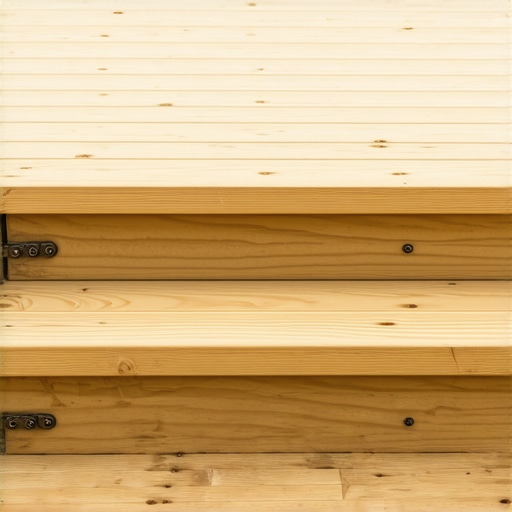
I remember the moment perfectly. I was hosting a backyard barbecue when I noticed one of my deck stairs wobbling fiercely every time someone stepped on it. My heart sank—I knew that slight wobble was more than just an inconvenience; it was a sign that my beloved outdoor space was beginning to show its age. That lightbulb moment made me realize how common and frustrating this issue can be for homeowners. If you’ve ever experienced the unsettling feeling of a staircase pulling away from the rim joist, you’re not alone. It’s a sneaky problem that can jeopardize safety and diminish the beauty of your deck.
What’s Really Going on When Your Deck Stairs Shift?
Why Failing Connections Matter
Deck stairs are designed to be sturdy, but over time, the connection points—where the stringers meet the rim joist—can loosen or deteriorate. This isn’t just a cosmetic issue; it can lead to dangerous outcomes if ignored. The problem often stems from improper installation, weather exposure, or the use of subpar fasteners. Early on, I made the mistake of relying solely on standard screws without considering the importance of structural support, which only worsened the wobble. Trusted sources like the structural fix for wobbling decks highlight how critical proper anchoring is to prevent these issues.
If you’re wondering why this problem persists even after repairs, it’s often because the root cause isn’t addressed—namely, the connection detail and the materials used. Addressing this requires a keen eye and some practical knowledge, which I’ll share with you now. Keep reading, because a well-executed solution isn’t just about fixing the wobble; it’s about restoring safety and confidence to your outdoor gatherings.
Ready to dive into the practical steps? I’ll walk you through how I tackled my own deck’s loose stairs with a proven method that stands the test of time. Whether you’re just noticing this issue or it’s been a nagging concern for years, these tips will help you restore your deck’s stability and keep your family safe.
Assess the Wobble and Gather Your Tools
Start by examining your deck stairs to identify loose or damaged connection points. Use a pry bar to gently test the stability of each stringer—notice where movement occurs. For tools, you’ll need a cordless drill, a pry bar, a level, corrosion-resistant screws, and possibly new framing brackets. I once faced a stubborn wobble on my front steps; pinpointing the loose connection quickly revealed that rusted nails had compromised the support. Gathering quality fasteners is crucial, and I recommend using Thru Loks for durable connections.
Remove Old Fasteners and Clean the Areas
Next, carefully extract all existing nails and screws from the connections with a pry bar and screwdriver. Clean the contact surfaces of the stringers and rim joist to remove debris, rust, or old adhesive residue. This ensures a tight fit when you reattach components. I learned this the hard way after re-tightening screws without cleaning; the wobble persisted because dirt prevented proper fastening. Proper preparation is a simple but essential step to prevent future issues.
Reinforce Connections with Quality Brackets
Install sturdy metal brackets designed for deck framing, such as angle braces or specialized stringer connectors. Position the brackets at each connection point—where the stringers meet the rim joist—and secure them with long, rust-resistant screws. Use a level to ensure the stairs are perfectly aligned. During my repair, I used heavy-duty brackets to reinforce a sagging step; the difference was immediate, and the stairs felt rock-solid afterward. Reinforcements like these provide long-term stability and safety.
Adjust and Level the Stairs
Set a level on each step to confirm proper alignment. If the stairs are uneven, employ leveling shims under the post bases or adjust the support hardware accordingly. Tighten all fasteners once level. I once overlooked this step and later noticed a slight slope causing water runoff issues. Paying attention to even small details like shims prevents future misalignments. Proper leveling also enhances the visual appeal of your outdoor space.
Seal and Protect the Connections
Finish your work by applying a weather-resistant sealant around the fasteners and exposed wood. This prevents moisture intrusion that can lead to rust and rot. For composite decking and stairs, avoid using pressure washers—they can damage the material. Instead, lightly clean with a gentle brush and water. After sealing, monitor the stairs periodically to catch any signs of loosening early. I recommend scheduling a security check every year, especially if your deck faces harsh weather conditions.
Explore Design Upgrades for Safety and Style
While repairing, consider upgrading your stairs to meet modern safety standards and styles. You can install new composite decking treads for low maintenance and a sleek look. Adding sturdy handrails and LED lighting can improve visibility and safety. If your deck is multi-level or large, working with a professional deck builder ensures structural integrity and aesthetic harmony. These enhancements not only secure your stairs but elevate your entire outdoor living experience.Many homeowners and even some DIY enthusiasts fall prey to misconceptions when it comes to deck construction and outdoor living solutions. One common myth is that choosing the cheapest materials will save money in the long run. In reality, investing in high-quality composites and professional craftsmanship often results in greater durability and fewer repairs, saving both time and cost over the lifespan of your deck. For example, modern composite decking options provide low-maintenance, weather-resistant surfaces that outlast traditional wood, contradicting the misconception that all decking materials are created equal.
Are You Falling for the Oversimplified View of DIY Deck Building?
Many assume they can handle everything without professional help, but overlooking nuances like proper support spacing, flashing, and drainage can lead to costly mistakes. A poorly built staircase not only wobbles but can become hazardous. My experience shows that even seasoned DIYers underestimate the importance of precise framing and flashing techniques, which are critical to prevent issues like rot or structural failure. According to industry experts, working with a professional deck builder ensures that all these hidden nuances are addressed, leading to a safer, more beautiful outdoor space. One key mistake many make is neglecting to account for proper load calculations and weatherproofing, leading to premature deterioration.
Another prevalent trap is relying on traditional fasteners without considering weather-resistant options. Using standard nails or screws that are not corrosion-resistant can compromise your deck’s integrity over time. Instead, I recommend high-quality, corrosion-proof fasteners such as Thru Loks. This attention to detail prevents issues like rust, which can cause loose connections and wobbling stairs. Moreover, many homeowners overlook the importance of seamless transitions between indoor and outdoor spaces, especially when stairs connect multiple levels. Designing with safety and style in mind, including proper lighting and railing heights, enhances usability and aesthetic appeal. For inspiration, explore these innovative stair designs that balance form and function. As you can see, many misconceptions about outdoor living and deck construction are rooted in oversimplification. Recognizing and addressing these hidden nuances ensures your project withstands the test of time and provides enjoyable outdoor experiences for years to come. Have you ever fallen into this trap? Let me know in the comments.Keeping your outdoor deck in top shape requires not just quality materials but also the right tools and methods. One essential piece of equipment I rely on is a high-quality cordless impact driver, like the Makita XDT16, which delivers the power and speed needed to drive long, corrosion-resistant fasteners such as Thru Loks efficiently. Using an impact driver minimizes the risk of stripped screws and provides better torque control, making repairs and reinforcements smoother and faster. I personally prefer magnetic screwdriver bits from DeWalt for their durability and precision, especially when working with small fasteners in tight corners. For level checking, a digital laser level—not just a traditional bubble level—ensures exact alignment on multiple planes, which is critical for stairs and deck transitions, as explained in this guide. I also recommend an electric ratchet wrench for removing stubborn fasteners without exerting excessive force, reducing damage risk. For cleaning, a soft-bristled brush and a garden hose with a gentle spray nozzle are perfect for maintaining composite surfaces without risking damage from high-pressure washers, which can cause more harm than good as discussed in this article. Looking ahead, the trend is shifting toward smart maintenance devices—such as moisture meters and remote inspection cameras—that can help identify issues early. Regularly scheduling inspections with these tools enables proactive upkeep, extending the lifespan of your deck. How do I keep my decking working year after year? I make it a habit to perform seasonal checks using these precise tools, ensuring everything stays secure and looking great. Don’t hesitate to try out a laser level on your next project; it’s a game-changer for achieving flawless alignment for stairs and fastenings, helping you avoid costly mistakes down the road.
Lessons That Stayed With Me: The Hidden Truths About Deck Repairs
- One of the toughest lessons I learned was the importance of comprehensive inspections. A quick tighten-up isn’t enough; sometimes, a seemingly minor wobble indicates deeper issues that, if left unaddressed, can compromise safety. Taking the time to thoroughly evaluate every connection point saved me from future headaches.
- Investing in quality tools and materials makes all the difference. Using high-grade fasteners like Thru Loks and a reliable impact driver not only speeds up the process but also ensures a durable fix. Cutting corners with inexpensive hardware often leads to recurring problems, which can be more costly over time.
- Visibility into the intricacies of proper flashing and support installation changed my approach entirely. I now see every project as an opportunity to reinforce the structure from the inside out, rather than just patching superficial damage. This mindset shift has paid dividends in longevity and safety.