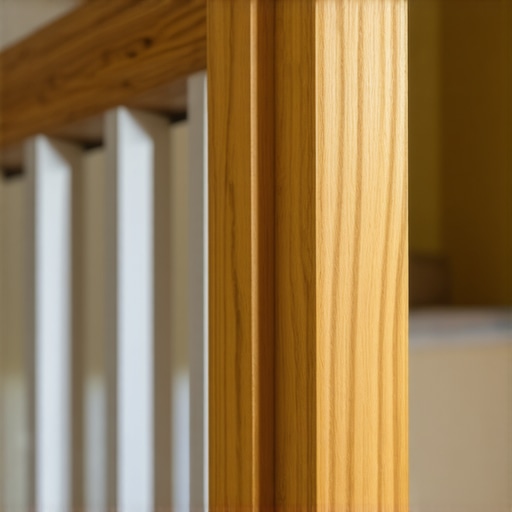
Imagine this: you’re enjoying a sunny afternoon on your deck, and you reach for the railing to steady yourself—only to feel it jiggling ominously under your hand. That sinking feeling rushes in. It’s a small problem with a big impact. I’ve been there; that frustrating wobble can turn an otherwise perfect outdoor space into a source of worry. The truth is, many homeowners overlook this minor annoyance until it becomes a safety concern or a cosmetic eyesore.
Why That Wobbly Stair Railing Matters More Than You Think
Wobbly railings aren’t just an annoyance—they can compromise the safety and durability of your entire staircase. Over time, loose connections accelerate wear, introduce hazards, and even reduce the lifespan of your deck. Early on, I made the mistake of ignoring a slight jiggle in my balusters, thinking it was a minor flaw. But that small error led to more significant structural issues down the line. I found out the hard way—skipping proper post-to-frame attachment can be a costly oversight. If you’re tired of feeling unsure when you lean on your stairs, then you’re in the right place. Today, I’ll walk you through a proven approach to fix that wobble, so your railing is safe, sturdy, and built to last.
Will Fixing My Railing Be Too Complicated or Expensive?
One common concern I hear from folks like you is whether these repairs are worth the trouble or if they require a professional’s touch. Trust me, I’ve been on both sides of this debate. Early on, I tried an amateur fix that seemed simple but didn’t hold up. That’s why understanding the right method is crucial. Learning how to secure the posts properly avoids repeated failures and gives you peace of mind. Plus, knowing this simple fix can save you money and time in the long run. If you want to see how a skilled deck builder can turn your garden into a private oasis, check out this article for some inspiration.
Now, let’s dive into why your railing is wobbling—and what you can do today to fix it permanently. The secret lies in understanding the post-to-frame connection and applying the right fix that lasts. Ready to stabilize that stair railing once and for all? Keep reading, and I’ll walk you through the steps with practical tips and insights based on my personal experience and professional knowledge.
}#}# If you want to learn more about creating seamless transitions in outdoor stairs, visit this guide on stairs as key outdoor elements. For expert ideas on transforming your garden into a private oasis, check out this article. Want professional help for your project? Discover the benefits of working with a skilled deck builder here. And if you’re curious about innovative outdoor living ideas with composite decking in 2025, explore this resource. Want durable, low-maintenance decking options? Find out how to choose the right composite material here. Let’s get started on ensuring your stairs are both safe and stunning.
Assess the Damage and Gather Your Tools
Before jumping into repairs, take a close look at your railing to identify loose posts, wobbly balusters, or missing fasteners. Use a measuring tape, screwdriver, and a level to evaluate the stability of each component. I remember when I first checked my deck, I found a post that moved slightly, and upon further inspection, the lag bolts had loosened due to weather exposure. This initial assessment helps determine whether you can fix it yourself or need professional help. For most cases, a socket wrench set and some durable fasteners are enough to start.
Remove the Old Fasteners and Loose Components
Start by removing any rusted or protruding screws, bolts, or nails holding the railing to the deck. Carefully detach any loose balusters or handrails without damaging the surrounding structure. This step is akin to peeling an onion—each layer reveals the core issue. During my project, I used a power drill with a screwdriver bit to extract stubborn fasteners, which saved me time. Be cautious to not strip the screw heads; if that happens, a screw extractor can come handy. Clearing away the old hardware provides a clean slate for the new, secure attachment.
Reinforce the Post-to-Frame Connections
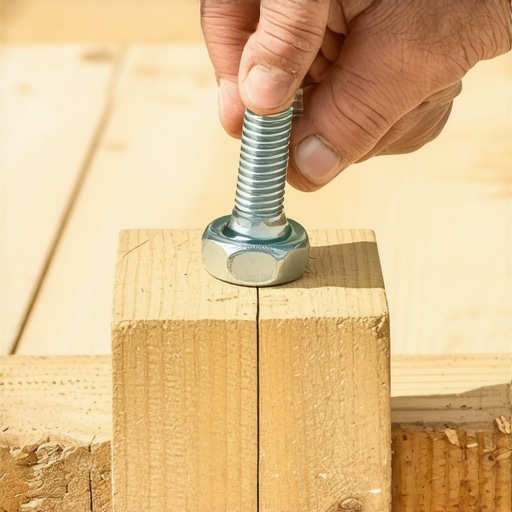
This is the critical phase—ensuring your posts are firmly anchored to the deck frame. Use a high-quality lag screw or structural bolt, paired with weather-resistant washers, to secure each post. Think of it as anchoring a boat with solid moorings; without proper connection, it’s prone to drift. During my experience, I added galvanized lag bolts with spacers to eliminate wobble, which dramatically improved stability. To make sure the connection is tight and level, place a carpenter’s level on the post and adjust as necessary before tightening fully.
Use Adhesive for Extra Security
For added strength, apply a construction adhesive designed for outdoor use between the post and the deck framing. This creates an additional barrier against movement and weather-related expansion or contraction. I once used a polyurethane-based adhesive, which cured quickly and prevented future loosening. Remember, this is a supplementary step—don’t rely solely on glue. Proper fastening is still essential for enduring stability.
Secure and Replace Balusters and Handrails
Reattach or replace loose balusters by inserting new, weather-grade fasteners. Ensure each one is snug, and use a level to check the handrail’s alignment along the length of the staircase. Think of the railing as the spine of your outdoor space; every part must be aligned and sturdy to support safety. I found that pre-drilling holes before installing screws prevented splitting the wood and allowed for tighter fastening. Once all components are secure, give the entire railing a firm shake to confirm it no longer wobbles.
Add Anchors or Brackets for Long-Term Stability
For decks exposed to high winds or frequent use, consider installing metal anchors or brackets at critical joints. These act like braces, preventing future looseness. During my repair, I installed L-brackets at the base of the posts, which eliminated any residual shakiness. This extra step pays off over time, especially in areas with severe weather patterns.
Inspect and Maintain Regularly
Finally, keep an eye on your railing by conducting seasonal inspections. Tighten bolts, check for rust, and replace any worn components promptly. Regular maintenance is the key to ongoing stability. My personal tip is to set a reminder every year to review all fasteners—you’ll catch issues before they become safety hazards. Remember, a solid railing not only looks better but also ensures your loved ones’ safety during gatherings or quiet evenings outdoors.
By following these concrete steps, you can turn a wobbly railing into a safe, long-lasting feature of your outdoor space. For further refinement and to optimize your deck’s design, explore this guide on creating seamless transitions in outdoor stairs or consider consulting a professional for complex repairs, as discussed here.
 Many homeowners jump into outdoor renovation projects with a set of beliefs that, while widespread, are often misleading. For example, the notion that composite decking completely eliminates maintenance is a myth; in reality, some products require regular cleaning and inspections to maintain their appearance and durability. Additionally, there’s a belief that hiring a professional isn’t worth the investment—yet, experts know that a skilled deck builder can navigate complex code requirements and ensure long-lasting results, especially on intricate staircase designs that demand precision. One trap many fall into is underestimating the importance of proper flashing around ledger boards, which can lead to water damage and rot over time; a simple oversight, but with serious consequences. According to a study by the National Association of Home Builders, up to 80% of deck failures stem from improper flashing or framing issues—so DIY shortcuts can be costly. When planning your outdoor space, consider the nuances: choosing the right fasteners resistant to weather corrosion or understanding the importance of joist spacing for stability are details that set a professional project apart. For insights on how to select durable, low-maintenance materials, explore [this guide on composite decking](https://deckdesignbuild.com/choosing-the-right-composite-decking-for-durable-low-maintenance-outdoor-areas). Be wary of the misconception that all composite brands perform equally—some stay cleaner and cooler underfoot, which greatly enhances barefoot comfort. For creative ideas that elevate your backyard, check out [expert tips for stunning outdoor living](https://deckdesignbuild.com/transform-your-space-expert-deck-builder-tips-for-stunning-outdoor-living). Remember, investing time in understanding these minor but critical details can prevent major setbacks later. Have you ever fallen into this trap? Let me know in the comments.
Maintaining Your Outdoor Space with the Right Tools
Keeping your deck and stairs in top shape over the years demands more than just occasional inspections; it requires a curated set of reliable tools designed for longevity and precision. I personally swear by a high-quality cordless impact driver, like the Milwaukee M18 Fuel, because its power and portability make fastener replacement effortless, especially when dealing with stubborn rusted screws on weathered composite boards. For detailed work such as scribing fascia or adjusting stair stringers, I use a digital caliper, which ensures measurements are exact, preventing costly mistakes down the line.
When addressing issues like loose railings or warped boards, I prefer a cordless reciprocating saw equipped with a fine-tooth blade—ideal for cutting out damaged sections without disturbing surrounding material. To keep my tools in prime condition, I regularly run a silicone-based lubricant on the impact driver and keep blades sharp, preventing slipping and ensuring clean cuts. For long-term durability, I advocate investing in a quality drill bit set made from cobalt or titanium; these last longer and resist dulling, which is critical when working with composite materials that are harder than traditional wood.
Leveraging Software for Better Deck Design
Beyond physical tools, digital software like SketchUp or specialized deck design programs helps visualize structural changes before implementation. I utilize these platforms to model stair placements and railing heights, optimizing safety and style, especially when planning complex multi-level configurations. As technology advances, emerging tools integrated with augmented reality are starting to allow clients to virtually walk through their outdoor spaces, making adjustments before construction begins.
Future Trends: Smarter, Safer Outdoor Living
Looking ahead, I predict a trend towards modular components that simplify maintenance and repairs. Innovations like snap-together composite decking panels will reduce installation time and facilitate easy replacements. Additionally, smart sensors embedded in railings and stairs could alert homeowners to loosened fasteners or structural shifts, enhancing safety proactively. Keeping your deck functioning seamlessly involves not only quality tools but also embracing these technological advancements.
How do I maintain my decking systems over time?
Regular inspections are vital: check fasteners for rust or corrosion, tighten loose components, and clean the surface with gentle, biodegradable cleaners to remove dirt and grime without harming the material. Applying a protective sealant designed for composite surfaces every few years can extend the lifespan, especially in climates with heavy rainfall or sun exposure. Remember, consistency in upkeep prevents minor issues from escalating into costly repairs.
If you’re serious about long-lasting outdoor living, consider trying advanced techniques like implementing a pressure washer specifically rated for composite decks at low pressure, which removes debris without damaging the surface. Remember, always consult professional resources, as over-pressurizing can cause delamination, a point thoroughly discussed in this guide on deck fasteners. Taking proactive steps today ensures your outdoor retreat remains safe, attractive, and functional for years to come.
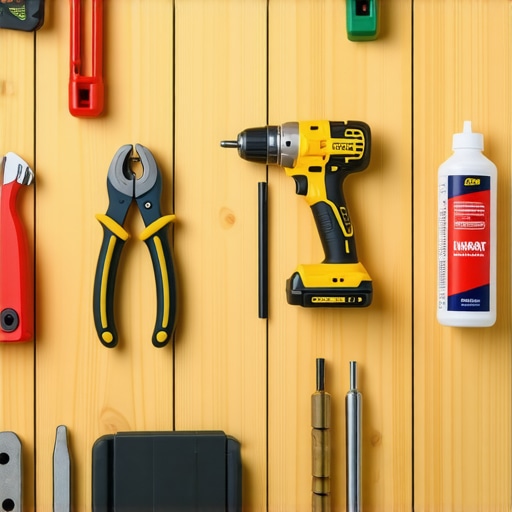 Image describing precise tools laid out for deck maintenance, including impact drivers, calipers, and sealant applicators. Alt: Essential tools for durable outdoor decking. Title: Must-Have Tools for Maintaining Your Deck and Stairs.
What I Wish I Knew When I Started Fixing My Deck
- One of my hardest lessons was realizing that quick fixes only offer temporary relief; investing in proper reinforcement pays dividends over time.
- I learned that understanding the specific materials and fasteners makes all the difference—what works for wood might not suit composite decks.
- Delaying inspections can lead to bigger safety issues; periodic checks help catch problems early before they escalate into costly repairs.
- Collaborating with experienced deck builders has shown me that a little expertise can save hours of frustration and ensure long-lasting stability.
- Finally, embracing the details—like proper flashing and joist spacing—creates a foundation that keeps your outdoor space safe and beautiful for years.
Tools and Resources That Turn Ideas Into Reality
- The impact driver I swear by is the Milwaukee M18 Fuel—powerful and reliable for fastening composite and wood with ease, making repairs smoother.
- For precise measurements, I trust my digital caliper; it helps ensure every post and stair stringer fits perfectly, avoiding wobbles.
- Design software like SketchUp has transformed my planning process, allowing me to visualize and tweak before the first nail goes in.
- And for learning and inspiration, I recommend reading about the latest composite decking trends and expert tips on outdoor living innovations—it keeps my projects fresh and forward-thinking.
Build with Confidence: Your Next Outdoor Chapter Awaits
Every wobble you fix today adds to the safety, longevity, and beauty of your outdoor sanctuary. Embrace these lessons, tools, and ideas, and turn your deck and stairs into highlights of your home that you can be proud of. Remember, a well-built outdoor space isn’t just a luxury—it’s a reflection of care and expertise that enriches your everyday life. Ready to take the next step toward a safer, more stunning outdoor retreat? Share your experience below or ask questions—your journey to a perfect deck starts now!