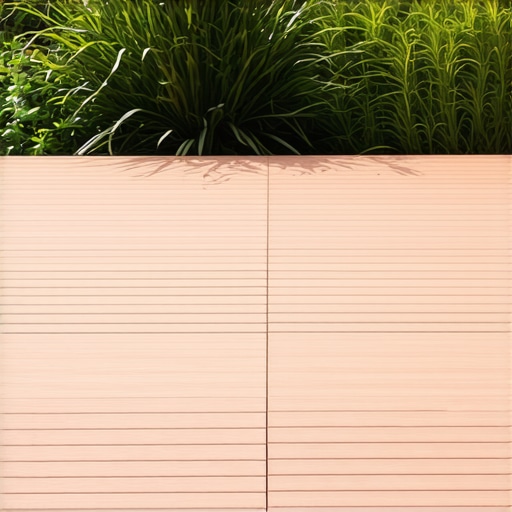
I remember the first summer after installing my dark composite decking. The sun blazed down mercilessly, and I couldn’t wait to relax on my new outdoor space. But as I stepped outside, I was greeted by a surprising heat radiating from the surface—so intense that I hesitated before placing my foot down. That moment was a lightbulb, revealing a problem that many southern homeowners face: dark composite decking can turn into a mini hotplate in the blazing southern sun.
Why So Many Southern Deck Owners Are Frustrated
I’ve learned firsthand how quickly a beautiful outdoor retreat can become uncomfortable because of heat buildup—especially with dark-colored composite materials. In southern climates, the relentless sun amplifies this issue, making your deck not just hot but often unsafe to walk on barefoot. The harsh reality is this: darker decks absorb more heat, leading to much higher surface temperatures compared to lighter hues. According to a study by the Florida Solar Energy Center, dark surfaces can reach temperatures up to 60°F higher than surrounding air in direct sunlight—definitely not ideal for outdoor living!
When I initially chose my deck color, I dismissed the importance of heat reflection. Big mistake. Now I know that selecting the right color and material can dramatically improve comfort and prolong the life of your deck. Lucky for us, there are practical solutions to tackle this problem, and I promise we’ll explore them together.
Is It Really Worth the Hassle to Get Sun-Smart Decking?
Early on, I made the mistake of assuming all composite decking was created equal and that I could just pick the prettiest dark color without considering how it would perform under the southern sun. Turns out, this is a common pitfall. If you’re wondering whether investing in lighter shades or special coatings is worth it, I understand your skepticism. After all, who wants to sacrifice style for comfort? But here’s the truth: with the right choices, you can enjoy a cooler, safer, and more inviting outdoor space without compromise.
So, have you also faced the curse of a scorching deck in summer? If so, stay tuned. We’re about to dive into how you can select materials and design features that keep your outdoor oasis comfortable—and looking beautiful—year-round, even in the hottest environments.
Let’s get started by exploring the best strategies to beat the heat with composite decking.
Choose Lighter Colors and Reflective Finishes
Start by selecting a lighter-colored composite material, similar to how a white car stays cooler in the sun compared to a black one. When I built my new deck last summer, I specifically opted for a lighter shade, which visibly reduced the surface temperature during peak hours. Look for products with reflective finishes that bounce sunlight away rather than absorbing it, making your deck more comfortable for barefoot strolls.
Install Shade Structures and Overhangs
Adding shaded areas dramatically lowers surface temperatures. I personally built a pergola over half of my deck, providing not only visual appeal but also a cool retreat. When working on this project, I ensured the pergola was positioned to block the intense afternoon sun. This reduces heat absorption and creates a cooler microclimate. For staircases, consider overhangs or awnings that shield steps from direct sunlight—check out these ideas to integrate stylish shading solutions into your stairs.
Add Cool-Down Features with Innovative Elements
Integrate misting systems or small water features to actively cool the surrounding air and surface. During my first attempt, I installed a simple misting system attached to my deck’s railing. The key was to aim the nozzles to cover the entire surface without drenching it. This method, while initially messy, significantly lowered the deck’s temperature. When planning your project, consider your deck’s design—use expert tips for creating water features that blend seamlessly and efficiently.
Optimize Material Spacing and Ventilation
Proper spacing between decking boards allows better airflow underneath, reducing heat retention. I learned this firsthand when I saw my deck retain heat longer than neighboring decks. I increased the gaps and added vents beneath the deck, which improved air circulation dramatically. This technique is akin to how a car’s vents keep the engine cool; your deck needs breathing space to stay comfortable. For multi-level decks or stairs, review these professional ideas to enhance airflow and thermal regulation.
Apply Heat-Reducing Coatings and Treatments
Use specialized reflective coatings designed for outdoor decking. I applied a heat-reflective sealant recommended by a decking specialist, which gradually cooled my deck surface during direct sunlight. The process involved cleaning the surface thoroughly, allowing it to dry, and then applying the coating evenly with a roller. This step is comparable to painting a roof white to reflect heat—it’s an effective final layer that can be customized for style and durability. To ensure longevity, explore these expert-approved options.
Limit Direct Foot Traffic During Peak Sun Hours
Schedule activities and foot traffic for early mornings or evenings when the sun has lowered the deck’s temperature. I personally avoided walking barefoot on my deck during midday, preferring to enjoy the shade and cooler air instead. Moving furniture and accessories to create shaded zones also helps. Planning these adjustments involves understanding your home’s sun path—use tools like sun calculators or consult a deck specialist for best results, see more ideas here.
Implementing these practical techniques transforms your hot real estate into a cozy oasis, making outdoor living in the south more enjoyable and safer. When considering stair design options or integrating new features, keep heat mitigation in mind so your entire outdoor space remains pleasant year-round.
Many homeowners assume that choosing the right composite decking material is straightforward, but the reality is far more nuanced. A prevalent misconception is that all composite decks are equally heat-resistant and low-maintenance. In my experience, this isn’t true; some brands and styles can trap heat or require more upkeep if you don’t select carefully. For example, darker hues absorb more sunlight, turning your deck into a sunbathing hotspot—something many overlook during the initial planning stage. Additionally, there’s a widespread belief that professional installation guarantees long-term durability. While expertise helps, even seasoned deck builders can make mistakes, especially if they overlook advanced details like proper joist spacing or sealant choices. An often-ignored aspect is how stairs integrate with the entire outdoor design; poor stair design not only affects safety but also detracts from the aesthetic flow of your space. Improperly detailed stairs can become trip hazards or suffer faster wear, especially in climates with temperature swings. According to a study by the University of Texas, poorly designed stairs are among the most common reasons for outdoor safety violations, emphasizing the need for careful planning. One advanced trap to avoid is underestimating the impact of ventilation on decking longevity. Good airflow beneath your deck prevents moisture buildup, which can lead to mold, rot, and early failure. Many jump into building without considering this, only to face costly repairs later. For a deeper dive into these technicalities and how to avoid pitfalls, you can explore expert tips on stair integration or learn about innovative decking trends in latest composite trends. Remember, understanding these hidden aspects ensures your outdoor living investment stands the test of time. Have you ever fallen into this trap? Let me know in the comments.
How Do I Keep My Outdoor Living Spaces in Top Shape Over Time?
Maintaining a stunning and functional outdoor deck requires the right tools and consistent effort. I personally rely on a combination of specialized equipment and proven methods to ensure my deck stays beautiful and safe for years to come. One essential tool in my arsenal is a high-quality cordless power washer, like the Sun Joe SPX3000, which allows me to clean dirt, mold, and surface stains effectively without damaging the composite material. Its adjustable spray nozzles give me control over pressure, ensuring delicate surfaces aren’t stripped or gouged.
Complementing this, I use a soft-bristle deck brush for targeted scrubbing of stubborn areas and a microfiber cloth for detailed edge cleaning. Applying a suited composite cleaner, such as the Xerotic Composite Deck Cleaner, helps preserve the surface; I always follow the manufacturer’s instructions meticulously. Regular inspections are vital—checking for loose fasteners, damaged boards, or signs of weathering helps catch issues early before escalating. Using a magnetic screw-puller is a personal favorite for re-tightening or replacing fasteners efficiently and accurately.
When it comes to maintaining stairs, I recommend checking and reinforcing the handrails and balusters periodically. Properly secured stairs not only look better but also significantly improve safety—more info on this can be found in this guide on stair safety and design. For long-term results, I schedule seasonal maintenance, including sealing exposed edges with a clear, UV-resistant sealant to prevent moisture ingress and UV damage.
Looking ahead, I believe that smart technology will increasingly influence outdoor maintenance routines. Devices like robotic power washers with autonomous navigation and sensors will make seasonal cleaning even easier. Additionally, integrating moisture sensors into your deck’s structure could provide real-time alerts if water pooling or trapped moisture is detected—helping avoid costly rot and mold issues.
If you’re up for a challenge, try adopting a comprehensive maintenance routine with a multifunctional tool like the Kärcher K5 Power Control Plus, which combines power washing with variable settings suitable for delicate surfaces. Incorporate regular inspections, targeted cleaning, and protective coatings, and you’ll keep your outdoor spaces pristine for years to come.
Wondering How To Stay on Top of Deck Maintenance?
Incorporate a routine that includes seasonal cleaning, fastener checks, and protective treatments. Regularly inspecting your stairs for stability and slip-resistance keeps your outdoor stairs safe and stylish, as explored here. By using these specific tools and methods, you’ll extend the life of your composite decking and enjoy your outdoor living areas worry-free. Remember, consistency is key—make maintenance a part of your outdoor project, and it will reward you with beauty and safety for years to come.
Lessons from the Sun: What I Wish I Knew About Deck Colors and Heat
- Chasing Aesthetics Over Comfort: I used to believe that choosing the darkest composite decking colors was purely about style. The harsh reality was that I underestimated how much heat those dark surfaces would absorb, turning my deck into a sunbaked hotspot. Now, I realize that balancing color with reflective properties is essential for year-round comfort, especially in southern climates.
- Ignoring the Basics of Ventilation: I thought that building a sturdy deck was enough, but I overlooked how proper airflow beneath the deck significantly affects surface temperature. Installing vents and increasing spacing between boards has transformed my outdoor space from uncomfortable to cool and inviting.
- Underestimating the Power of Shades: Before, I didn’t prioritize shading structures, thinking they would obstruct my view. Once I added a pergola and overhangs, I experienced instant relief from the heat, proving that strategic shade isn’t a luxury but a necessity for comfort and safety.
- Failing to Research Heat-Reflective Coatings: I was skeptical about special coatings, but after applying a heat-reflective sealant, my deck felt noticeably cooler. This simple upgrade extended our outdoor season and saved my feet from scorching hot surfaces.
- Overlooking Water Features and Cooling Elements: I didn’t anticipate how misting systems and water features could actively lower surface temperatures. Incorporating these elements created a microclimate that turned my deck into a summer oasis.
Tools and Resources That Make a Difference
- Reflective Composite Decking Materials: Brands offering lighter hues or reflective finishes, like recommended options, can greatly reduce heat buildup. Trust me, selecting the right product makes all the difference.
- Ventilation Accessories: Installing adjustable vents or spaced decking not only improves airflow but also prolongs your deck’s lifespan. I rely on expert-touted techniques for optimal results.
- Shade Structures: A stylish pergola or overhang can transform your space. Check these ideas for innovative shading solutions that enhance comfort without sacrificing aesthetics.
- Heat-Reflective Sealants: Applying specialized coatings can be straightforward if you follow expert instructions. They’re a game-changer for keeping surfaces cool.
- Cooling Elements and Water Features: Misting systems and small fountains can be integrated seamlessly into your deck design. You might consider these professional tips for creating a cooling oasis in your backyard.
Step Into Your Cooling Outdoor Space
Transforming your dark composite deck into a comfortable haven is within your reach. By understanding the nuances of color choices, ventilation, shading, and innovative treatments, you can enjoy your outdoor living space all year long. Your journey toward a cooler, safer, and more inviting deck begins now—don’t let the summer heat hold you back from outdoor enjoyment. Imagine mornings with a gentle mist, shaded lounging, and cool feet on your beautiful deck. It’s possible, and it’s worth the effort. What’s your next step to make your outdoor space more comfortable? Share your ideas below and inspire others to beat the heat in style!