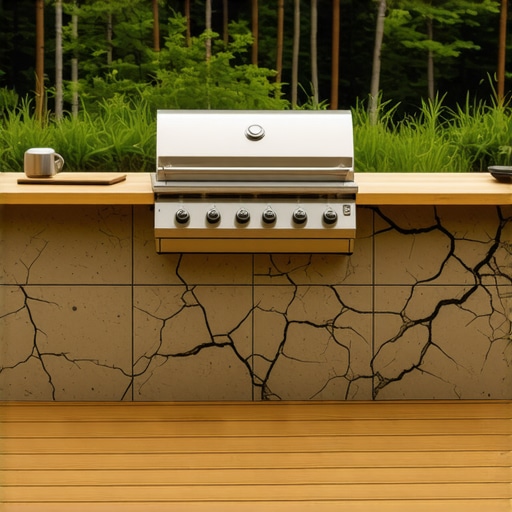
I remember the moment clearly—my outdoor kitchen was finally built, and I couldn’t wait to host summer barbecues and family dinners. But as the months went by, I started noticing something unsettling: my deck wasn’t level anymore. It was sinking, slowly but surely, right beneath my new outdoor paradise. Turns out, that beautiful kitchen I designed so carefully was unknowingly the culprit behind the deck’s sagging problem.
Why Your Outdoor Kitchen Might Be Causing Deck Deterioration
This experience was a lightbulb moment for me, revealing a hidden danger that many outdoor enthusiasts overlook. When you install an outdoor kitchen, especially with heavy appliances, countertops, and recurring moisture, it can add significant weight and stress to your deck. If the underlying structure isn’t properly designed to support this load or the area isn’t correctly sealed or drained, it can lead to uneven settling or even structural failure over time.
Research shows that improper support and drainage design are major causes of deck failure, often leading to expensive repairs or a complete rebuild. In fact, a study by the American Society of Civil Engineers highlights how weight distribution and water management are critical factors in maintaining deck integrity long-term.
But here’s the good news—most of these issues are preventable with the right planning and construction techniques. If you’re thinking about adding an outdoor kitchen or already have one, understanding the relationship between heavy fixtures and your deck’s foundation is essential.
Have you noticed your deck sinking or feeling uneven since installing your outdoor kitchen? If so, you’re not alone, and I’m here to help you diagnose and fix the problem before it gets worse. The following sections will guide you through practical steps to ensure your deck remains safe, level, and built to last.
Is Deck Support Quality Overhyped?
When I first built my deck, I underestimated the importance of proper support and drainage. I thought that using standard materials and basic construction would suffice. Turns out, cutting corners on support beams or neglecting proper water runoff can turn your dream outdoor space into a hazard. It’s a classic mistake I made early on, but one you can easily avoid by following expert advice and ensuring your deck’s foundation is solid and resilient.
Ready to dive into the practical solutions? Let’s get started on making sure your outdoor living space is safe, beautiful, and functional for years to come. For more detailed tips on deck design and construction, check out this guide to maximizing outdoor space.
,
Enhance Your Deck Foundations for Heavy Loads
When I decided to expand my outdoor space with a full kitchen, I knew supporting it properly was crucial. I first assessed my existing deck’s support system, visualizing the weight of appliances and countertops. To do this, I used a simple bathroom scale to estimate the weight of my planned setup and compared it to my deck’s current load capacity.
Next, I upgraded the support beams and posts to heavier-gauge lumber, opting for pressure-treated 4×6 or 6×6 beams instead of standard 4x4s. This provided a stronger foundation capable of bearing the additional weight. Remember, larger support members distribute weight more evenly, reducing stress on any single point.
Use Proper Footings and Anchors
My initial mistake was skipping proper footings, relying solely on the existing concrete blocks. I replaced these with concrete piers poured directly into the ground, ensuring they were below the frost line for my climate. This prevents shifting or sinking over time, especially important with added weight from a kitchen setup.
For anchoring, I installed metal post anchors rooted deeply into the concrete piers. This connection transfers the load directly to the footing, preventing wobbling or shifting—issues I experienced before when support posts were only nailed into the deck framing.
Optimize Drainage and Water Management
Water can undermine support structures over time, leading to rot and instability. I added a slight slope to my deck surface, directing water away from critical support areas. Installing gutters and splash blocks further diverted water from supporting pillars. I also sealed the underside of the deck with waterproof coatings, which I learned from outdoor living experts.
This combination of reinforced supports, solid footings, and water management created a sturdy foundation that didn’t sag under the new weight, enabling me to safely install my outdoor kitchen. Remember, neglecting these steps can lead to future costly repairs or safety hazards.
Reinforce Staircases for Heavy Traffic
Stairs bear additional dynamic loads, especially with furniture and foot traffic. I replaced flimsy stringers with robust, LVL (laminated veneer lumber) options, which don’t warp or crack easily. Ensuring the stringers are spaced no more than 16 inches apart prevents bouncing or sagging, particularly important when heavy items are moved up and down.
Furthermore, I attached new, wider treads using hidden fasteners for a seamless look, and strengthened handrails with steel brackets for added stability. Proper support for stairs ensures safety and longevity, especially in active outdoor settings.
Assess and Adjust Regularly
After completing these upgrades, I kept an eye on my deck’s performance. Periodic scans for movement or water damage alerted me early to potential issues. Timely maintenance preserves support integrity, preventing the sinking or uneven settling I initially experienced.
Applying these techniques transforms your outdoor area into a safe, durable space ready for heavy appliances and frequent use. For a comprehensive approach, consulting a professional deck builder ensures your setup manages weight and water effectively, creating a lasting outdoor oasis.
Even seasoned outdoor builders sometimes fall prey to misconceptions that can compromise deck longevity and safety. One pervasive myth is that selecting the most affordable composite decking guarantees long-term durability. In reality, cheaper options often lack the advanced UV stabilizers and waterproofing layers found in premium materials, leading to faster fading and decay, as highlighted in [composite decking trends for 2025](https://deckdesignbuild.com/composite-decking-trends-2025-the-ultimate-guide-for-outdoor-enthusiasts).
Maintaining a beautiful, functional outdoor deck is an ongoing investment that pays off in long-term durability and visual appeal. Over the years, I’ve honed my toolkit and adopted specific methods that ensure my deck remains sturdy, safe, and welcoming. In this section, I’ll share my expert-recommended tools and practices for keeping your outdoor living space in prime condition, along with insights into where this trend is heading.
Power Sanding for a Fresh Finish
One of my most-used tools is a dual-action orbital sander equipped with 80-grit sandpaper. I use this to gently strip away surface grime, fade marks, or oxidation on composite boards without damaging the material. Regular sanding, especially before resealing or re-staining, prevents the buildup of dirt that can accelerate wear. I prefer this method over power washing because it gives me control and leaves a smooth surface ready for treatment.
Smart Light Inspection to Catch Hidden Damage
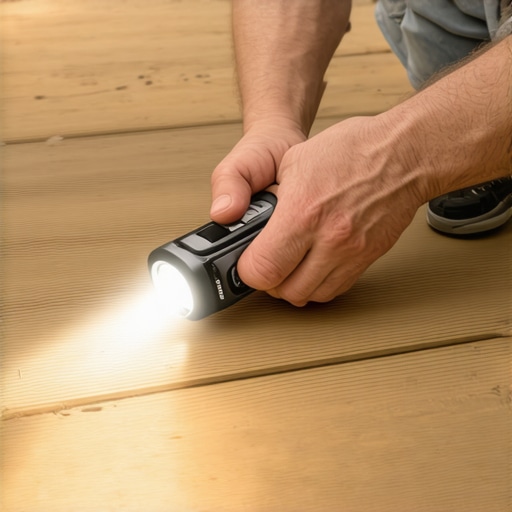
Proper lighting is vital when I inspect my deck. I use a high-quality, adjustable LED work light with a narrow beam to detect moisture spots, splinters, or loose fasteners that may be missed in natural light. This routine check helps me address small issues before they escalate into costly repairs. As composite decking trends evolve, integrating LED lighting into the deck itself is becoming more popular, blending aesthetics with maintenance functionality.
Sealants That Extend Deck Lifespan
I recommend a penetrating, breathable sealant formulated specifically for composite and wood materials. My favorite is a product with UV inhibitors and waterproofing agents, which I apply annually using a wide brush or a low-pressure sprayer. This approach preserves color, prevents moisture ingress, and makes future cleaning easier. Remember, choosing the right sealant can significantly boost your deck’s resistance to the elements.
Advanced Drainage Strategies for Longevity
Prevention is better than repair. I’ve invested in level-grade slope adjustments and installed hidden drainage channels beneath the surface. These modifications might seem complex, but they are game-changers, especially in climates prone to heavy rain. Proper water management ensures that your deck won’t suffer from rot or support instability over time, aligning with the upcoming trends in sustainable outdoor living solutions.
Looking ahead, tools like smart moisture meters and integrated weather sensors are poised to transform deck maintenance. These devices provide real-time data, allowing homeowners to schedule cleaning or repairs proactively, much like utilizing a health app on your smartphone. Integrating such technology makes long-term upkeep more manageable and reduces unexpected expenses.
How do I keep my deck safe and functional over time?
Regularly inspecting supports, cleaning surfaces, and applying protective coatings are critical. Using a quality screwdriver set and a torque wrench ensures fasteners remain tight, preventing loose boards or wobbly stairs. Remember, DIY maintenance with the right tools saves money and empowers you to catch issues early. For expert guidance on your outdoor upgrades, consulting a professional deck builder can help you design and implement a sustainable, low-maintenance setup. Check out this guide for inspiring outdoor living ideas to stay ahead of emerging trends in outdoor design.
My advice? Invest in a high-quality, adjustable LED work light and regularly inspect your deck’s support structure with a moisture meter. These proactive steps, combined with routine cleaning and sealing, will ensure your outdoor space endures for years to come—and perhaps even inspire you to implement the latest innovations in composite decking maintenance, like smart sensors that alert you to potential issues.
Reflecting on my journey, one lesson stands out: even with all the planning and upgrades, patience and ongoing vigilance are essential to maintaining a safe and beautiful outdoor space. Your deck isn’t a set-it-and-forget-it project—it’s a living extension of your home that deserves regular care and adaptation. By embracing a mindset of continuous improvement, you ensure that your investments in outdoor living truly pay off, allowing you to enjoy your beautiful, functional deck for decades to come.
Secrets That Changed My Approach to Outdoor Living
- Routine Inspections Matter More Than You Think: Regularly checking support structures and slopes prevents small issues from turning into costly repairs. I now schedule monthly visual inspections—simple but effective.
- Support Upgrades Are Worth Every Penny: Reinforcing footings and beams may seem costly upfront, but it saves a fortune in repairs and preserves safety over time. Don’t cut corners on foundation support.
- Water Management Can Make or Break Your Deck: Proper drainage and sealing keep moisture at bay, preventing rot and sagging. Investing in good water diversion methods is a game-changer.
- Invest in Quality Materials for Longevity: Choosing premium composites and hardware might initially seem expensive, but their durability ensures your outdoor kitchen remains pristine for years.
- Stay Curious and Keep Learning: Following industry trends and reviewing expert advice, like the latest in composite decking trends, keeps your project at the forefront of outdoor innovation. For ongoing inspiration, exploring resources on [maximizing outdoor space](https://deckdesignbuild.com/maximizing-outdoor-space-inspiring-deck-and-stair-ideas-for-every-budget) can be invaluable.
Tools and Resources That Make the Difference
- High-Quality Moisture Meter: My go-to tool for early detection of water intrusion issues, helping me catch potential rot before visible damage occurs.
- Durable Power Sander: Regular sanding keeps composite surfaces smooth and free of grime, extending their lifespan.
- Reputable Sealants: Products formulated specifically for outdoor and composite use have protected my deck from UV and moisture damage. Trusted brands and proper application are key.
- Expert Advice and Professional Help: Collaborating with skilled deck builders ensures foundational integrity, especially when supporting heavy outdoor kitchens. For guidance tailored to your space, consider consulting professionals via trusted sources.
Your Next Step Towards a Resilient Outdoor Oasis
Building a deck that withstands the test of time and weight is an achievable goal—filled with learning, patience, and the right tools. Don’t let initial mistakes hold you back; every challenge is an opportunity to grow more confident and skilled in outdoor living design. Remember, your outdoor space is an extension of yourself, a place for memories, relaxation, and entertainment. Start today with small upgrades, stay vigilant, and envision the lasting haven you’re creating for years ahead.
What’s the biggest challenge you face when maintaining or building a durable outdoor deck? Share your experiences below, and let’s learn together to elevate our outdoor living spaces!