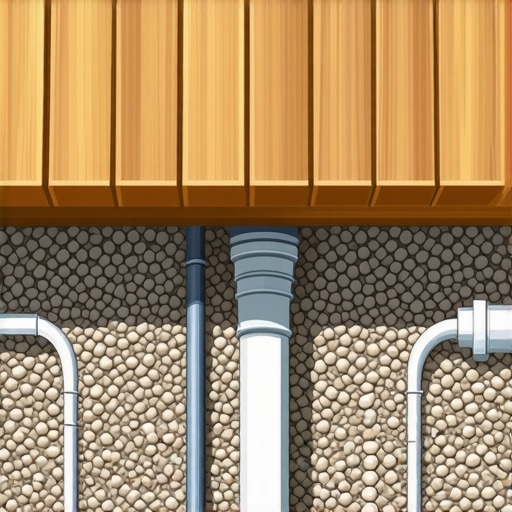
It was a hot summer afternoon when I finally realized the bitter truth about my deck: puddles. Not just a little water here and there, but enough to make my post-work relaxation feel like a muddy swamp. I’d spent plenty on durable composite decking and stylish stairs, but the persistent dampness under my outdoor space kept gnawing at me. That’s when it hit me—poor drainage was the root cause.
Why Proper Drainage Can Transform Your Outdoor Living Experience
Having spent years building and redesigning my backyard oasis, I learned the hard way that drainage isn’t just about preventing puddles—it’s about protecting your investment, safety, and comfort. Without effective drainage, water can pool, leading to wood rot, slippery surfaces, and even structural issues. Imagine hosting a barbecue, only to have guests slip on a soggy deck—embarrassing and dangerous. Proper drainage solutions are the unsung heroes of outdoor space longevity and usability, especially when working with composite decking that can trap moisture if not installed correctly.
From personal experience, I can tell you that a simple change in how water flows beneath your deck can save you thousands in repairs and keep your family safe. Today, I promise to share the drainage secret I wish I knew from the start—one that has kept my deck dry, cheerful, and inviting all year round.
Beware the Broken Promise of Quick Fixes
Early on, I made the mistake of ignoring drainage issues, thinking that gravel and a little slope would do the trick. Spoiler: it didn’t. Water still pooled stubbornly, and I ended up replacing sections of my decking much sooner than I anticipated. According to [The Family Handyman](https://www.familyhandyman.com/article/deck-drainage-solutions/), improper drainage is one of the leading causes of deck failure within just a few years. That’s a sobering statistic, but also a wake-up call for homeowners like us.
If you’ve faced similar frustrations—standing water after rain, muddy patches, or at worst, rotting wood—this post is for you. Stick around as I reveal the proven drainage secret that turned my backyard into a dry haven. Soon, you’ll learn how to prevent puddles, protect your deck’s lifespan, and enjoy your outdoor space without the constant mess or worry.
Ready to dig into the practical solution? Let’s get started, but first—are you currently battling with drainage problems under your deck? Drop a comment or visit our contact page to share your story.
Level the Ground Before Construction
Start by assessing the terrain where you plan to install your deck. I remember a time when I skipped this step, aiming to save time, only to face ongoing puddles afterwards. To prevent this, mark the area and use a laser level or a simple string with a level to ensure the ground slopes away from your house at about 1 inch per 8 feet. This slope directs water away effectively. If the ground is uneven, consider excavating high spots or adding a fill of gravel and compacting it well to prevent settling.
Design with Drainage in Mind
Integrate a gradual slope in your deck framing. Use digital tools or manual calculations to set the joists at an incline that promotes runoff, not water retention. For instance, when I built my deck, I set the ledger board slightly higher on one end, creating a gentle tilt that encouraged water to flow off onto the yard. This prevents pooling and reduces moisture retention that damages composite boards over time.
Create a Drainage Layer Under the Deck
This is crucial. Lay a thick geo-textile fabric or landscape fabric over the prepared ground, then add a layer of crushed gravel or stone. This acts as a drainage matrix, allowing water to flow freely beneath the deck structure. I avoided muddy puddles by installing a gravel bed after my first few rainy seasons. It’s like setting a channel for water to escape—akin to how a riverbed guides water downstream.
Install Perimeter Drainage Systems
Adding a French drain or a drain tile around your deck perimeter can channel excess water away. For my deck, I dug a shallow trench along the edge, filled it with perforated pipe wrapped in fabric, and directed it toward a storm drain or a natural runoff point. This creates an escape route for water, preventing it from pooling under or around your deck.
Use Proper Ledger and Post Attachments
Secure your ledger board with flashing and use corrosion-resistant fasteners. Ensure that all connections are sealed tightly. I learned that even small leaks can redirect water beneath the deck, leading to rot. Think of this as the waterproof shoes of deck construction—keeping rogue water out and dry.
Plan for Water Drainage in Stairs and Built-in Features
Ensure stair stringers are properly spaced and level, and incorporate drainage gaps or weep holes to let water escape. During my latest project, I added hidden weep holes at the bottom of each staircase stringer. This small change prevented puddling and ice formation, making stairs safer and more durable.
Maintain Regular Drainage Checks and Cleanup
Over time, organic debris can clog drainage paths. Regularly inspect and clear gutters, downspouts, and gravel beds. I made it a monthly routine to brush away leaves and mulch, which kept water flowing unimpeded and preserved my deck’s integrity.
Embedding these steps into your deck planning ensures that water will have no choice but to flow away efficiently, protecting your investment and enhancing outdoor comfort. For additional ideas on elevating your outdoor space, check out innovative outdoor living ideas with composite decking. Remember, a well-drained deck isn’t just about avoiding puddles; it’s about building a lasting, safe, and beautiful outdoor area that stands strong through the seasons.
Many homeowners believe that selecting the right composite decking is straightforward—pick a color, install it, and enjoy. However, experienced deck builders know there’s a complex web of nuances that can make or break your outdoor space’s durability and beauty. A common misconception is that all composite materials are created equal; in reality, differences in core composition and manufacturing processes significantly impact performance, especially over time. For example, capped polymers tend to withstand fading and staining better than older, uncapped variants, but only if installed properly and maintained with expert attention.
Are You Overlooking the Advanced Factors That Affect Your Deck Longevity?
A key mistake is ignoring ventilation and airflow around your deck and stairs, which can cause moisture buildup and promote mold or rot, even with high-quality composite boards. According to a study by the University of California Cooperative Extension, moisture management is crucial for maintaining outdoor structures; inadequate ventilation can negate the benefits of premium materials. Additionally, many overlook the importance of precise framing and attachment techniques. Improper fastening, such as over-tightening screws, can cause board warping or cracking, leading to costly repairs.
When it comes to outdoor stairs, the focus often centers on aesthetics and safety, but advanced builders consider the hidden details: uniform riser heights, proper drainage, and structural reinforcement to prevent sagging. An overlooked trap is installing stairs without accounting for expansive movement of materials or environmental factors like freeze-thaw cycles, which can lead to misalignment or structural failure over time. To avoid these pitfalls, collaborate with a professional deck builder who understands these nuances—see how they can transform your space into a durable, stylish outdoor oasis. For innovative ideas and design inspiration, check out latest outdoor living trends with composite decking in 2025.
Remember, a successful outdoor project hinges on mastering these nuanced details beyond initial appearance. Have you ever fallen into this trap? Let me know in the comments!Maintaining your outdoor masterpiece requires more than regular cleaning; it demands the right equipment and a strategic approach. The first tool I swear by is a high-quality cordless cordless impact driver. I rely on the Milwaukee M18 Fuel Impact Driver because its power and compact size make installing fasteners or replacing damaged boards swift and effortless, even in tight spaces. Pair this with a set of corrosion-resistant fasteners like stainless steel or coated deck screws—I’ve found that using a magnetic bit holder reduces stripping and ensures consistent, tight fastening, which is critical for avoiding boards loosening over time. For precise level measurements, I use a Bosch Cross Line Laser Level. This tool helps me check the evenness of joist framing and stair stringers without the fuss of traditional bubble levels—it’s especially handy when adjusting slopes for effective drainage or aligning stair risers flawlessly. Keep a moisture meter such as the Tramex Moisture Encounter for regular checks—composite decking’s performance can deteriorate when moisture levels spike unexpectedly, leading to swelling or mold growth. Regular inspection allows early intervention, preserving your investment. To manage and visualize your project timelines, I utilize Trello, customizing boards for each phase of deck construction or renovation, which streamlines workflow and keeps everything on track. As trends evolve, automation and smart tools are set to play a bigger role in outdoor maintenance, offering remote monitoring of moisture or structural shifts via integrated sensors.
How do I maintain my deck’s integrity over time?
Regular inspections are key. Clean gutters and drainage paths quarterly, and clear any debris that could block water flow. Implement preventive measures like sealing or staining your composite boards with weather-resistant products—though many don’t realize that specific deck sealers can extend longevity by repelling moisture and resisting UV damage. Remember, a proactive approach saves money and headache. For advanced ideas on optimizing your outdoor space’s durability, visit our latest outdoor living trends. Don’t just clean your deck—train yourself in the art of strategic maintenance with the right tools and techniques. Try integrating a moisture meter into your routine; even a quick check once a season can prevent costly repairs down the line.
Over the years, I’ve come to realize that the real secret behind a durable, beautify composite decking lies beneath the surface—literally. It’s not just about choosing the right materials or designing stunning stairs; it’s about understanding and implementing effective drainage strategies that safeguard your outdoor space. This knowledge became my lightbulb moment, transforming a soggy nightmare into a dry, inviting retreat that withstands the test of time.
The Unexpected Lesson That Changed Everything
- Don’t underestimate terrain prep: I once rushed through leveling my ground, thinking a slight slope would suffice. That oversight led to persistent puddles and eventual wood rot. Now, I always assess and craft a precise grade—aiming for about 1 inch per 8 feet—to direct water away naturally.
- Every detail counts in framing and layout: Setting joists with a gentle incline and incorporating drainage gaps has prevented water pooling. Small adjustments, like adding weep holes in stairs, make a big difference in dryness and safety.
- Layering ensures flow: Installing gravel beds and French drains under and around the deck creates an underground highway for water to escape, keeping your deck and yard dry regardless of how much it rains.
Tools and Resources That Became My Go-To Arsenal
Here are some tools and sources I depend on for a flawless outdoor experience: Seamless transitions guides show how even stair design can influence drainage, while high-quality laser levels and moisture meters help me maintain perfect slopes and monitor water levels. The expert tips from seasoned deck builders have saved me from common pitfalls and are invaluable for DIY enthusiasts aiming for longevity.
Seize the Moment and Elevate Your Outdoor Game
Your outdoor sanctuary is an investment in your happiness and safety—don’t let poor drainage undermine it. Armed with the right knowledge, tools, and attention to detail, you can build a deck that’s not only beautiful but resilient against the elements for decades to come. Dive into the latest trends in composite decking and think beyond mere aesthetics; plan for drainage, airflow, and maintenance from day one. Your future self will thank you for the dry, cheerful, and worry-free outdoor space you create.