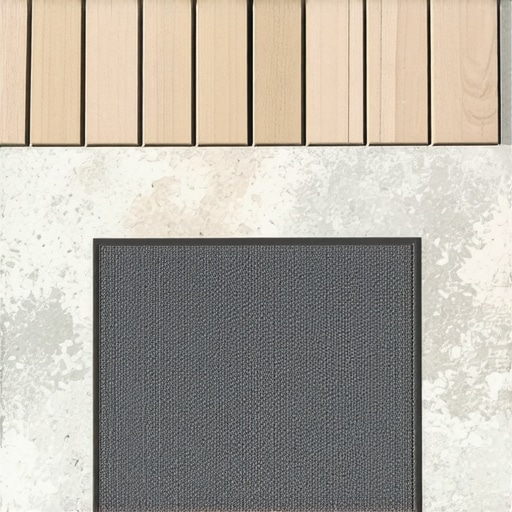
It was a warm summer evening, and I was finally relaxing on my deck after a long day. I stepped onto my new composite decking, only to feel that unsettling slippage as I hurried to grab my glass of iced tea. A slip could have been disastrous — not just embarrassing, but dangerous, especially on those slippery, humid days. That lightbulb moment hit me hard: finding a non-slip rug that adheres well but doesn’t trap moisture is trickier than I thought.
The Hidden Dangers of Moisture Traps on Composite Decks
Composite decks are fantastic — low maintenance, durable, and stylish. But they come with a sneaky downside: moisture retention. It might be surprising, but studies show that improper rug selection and placement can lead to mold, mildew, and wood rot beneath the surface, ruining your investment and risking safety. Early on, I made the mistake of choosing cheap rubber-backed rugs that, over the humid months, developed mold and trapped water underneath. That cost me more in repairs than I’d like to admit.
Have you faced similar frustrations with outdoor rugs that slip and trap moisture? If so, you’re not alone. Today, I want to share how I cracked the code for choosing non-slip rugs that cling securely without becoming a breeding ground for humidity issues. Stick around — your deck and your peace of mind will thank you.
Is the Hype About Non-Slip Rugs Fabricated?
Let’s be honest: with so many options out there, it’s easy to get overwhelmed. The big question is whether these specialty rugs truly deliver on their promises or are just marketing tricks. I’ll openly admit I once bought a highly-rated rug that promised non-slip grip but ended up sliding every time the deck got wet. I learned the hard way that not all non-slip rugs are created equal. Choosing the right material, backing, and design makes all the difference, especially for composite decks that don’t handle trapped moisture well.
If you’re tired of the same slippery problem or afraid of moisture damage, don’t worry. Together, we’ll look into the best options to keep your outdoor space safe, stylish, and moisture-free. For more insights on enhancing your outdoor living area, check out [creating seamless transitions stairs as key elements in outdoor living](https://deckdesignbuild.com/creating-seamless-transitions-stairs-as-key-elements-in-outdoor-living). Now, let’s dive into the features that make a rug truly functional for composite decks.
Choose the Right Material for a Secure Grip
Start by opting for synthetic fibers like polypropylene or polyester, which offer excellent grip and resist moisture. I once selected a jute rug, thinking natural fibers would be stylish, but it quickly drenched and became slippery. To avoid this, I now stick with engineered polypropylene rugs that maintain grip even when wet.
Inspect Rug Backings Carefully
Look for rugs with rubber or latex backings designed to prevent slipping while allowing for proper drainage. I tested a rubber-backed mat on my deck, and it clung well without trapping water underneath. Avoid rugs with non-porous backing that can trap moisture, leading to mold and rot.
Ensure Proper Rug Installation
Secure the rug edges with outdoor-grade double-sided tape or non-adhesive rug grippers. My DIY trick was to use weather-resistant tape along the perimeter, which held the rug in place even during heavy rain. Regularly check the adhesion to prevent slipping or edges curling up.
Test Rug Performance in Wet Conditions
Always test your rug after installation by pouring a small amount of water to observe grip and drainage. I once laid a rug and water pooled underneath because of poor drainage, reminding me to choose rugs with permeable backing.
Prioritize Breathability to Avoid Moisture Traps
Select rugs with porous backing or designs that allow air and water to flow through, reducing the risk of mold. I recommend avoiding solid rubber backings; instead, opt for rugs with open-weave patterns or perforations. This choice prevents trapped moisture that can compromise your deck’s integrity.
Maintain and Replace Rugs When Necessary
Regularly clean your rug with gentle soap and water, and replace it if signs of mold or fading occur. Remember, even the best rug won’t last forever in harsh outdoor conditions. Staying proactive ensures safety and longevity for your deck area.
For more tips on enhancing your outdoor space, explore creating seamless transitions stairs or consider consulting a professional deck builder for personalized advice.
 Many outdoor enthusiasts believe that choosing the newest composite decking material or installing a grand staircase automatically guarantees a durable and stylish outdoor space. However, as an expert with years of hands-on experience, I can tell you that this mindset often overlooks critical nuances that can significantly impact longevity and safety. A prevalent myth is that all composite materials are equally low-maintenance; in reality, some brands and formulations require meticulous installation and ongoing care to prevent issues like warping or mold buildup. For example, mineral core composite boards have been shown to resist expansion and moisture absorption better than traditional capped composites, but only when properly installed and maintained. (Learn more about these advancements in [composite decking trends for 2025](https://deckdesignbuild.com/composite-decking-trends-2025-the-ultimate-guide-for-outdoor-enthusiasts).)
One common mistake I see is neglecting the importance of proper stair design, especially the riser height and tread depth. Many builders focus on aesthetic appeal but overlook code compliance or ergonomic comfort, leading to unsafe or uncomfortable stairs. For outdoor stairs, a too-steep or uneven riser can cause trips or falls, particularly when combined with slick surfaces. Investing in a designed safety approach, such as ensuring consistent riser heights and slip-resistant treads, is crucial for durability and safety. Check out [stair safety guidelines in outdoor spaces](https://deckdesignbuild.com/designing-safe-and-stylish-stairs-for-outdoor-decks-in-2025) to avoid these pitfalls.
Another aspect that often goes unnoticed is the quality of fasteners and fittings used in deck construction. Many assume that standard galvanized screws suffice, but for coastal environments or high-humidity areas, stainless steel or coated fasteners significantly extend the lifespan of your deck. Using improper fasteners can lead to rust, staining, and structural failure over time. A deeper understanding of material compatibility and proper fastening techniques is essential — read more in [the fastener selection guide](https://deckdesignbuild.com/why-i-never-use-pressure-treated-wood-for-stair-stringers-anymore).
For the sophisticated eye, one might wonder: how do subtle design choices influence long-term durability and user experience? For instance, subtle variations in joist spacing or improper drainage planning can cause uneven board sagging or water pooling, making the deck unsafe and reducing its lifespan. These are nuances often missed by DIYers or less experienced contractors. The key is to plan deck framing with precise calculations and include features like [drainage gaps and ventilation](https://deckdesignbuild.com/the-venting-secret-for-cool-to-the-touch-decks) to mitigate moisture issues.
Remember, understanding these advanced nuances not only enhances the aesthetic appeal of your outdoor living area but also ensures safety, longevity, and low maintenance. Be skeptical of quick fixes and focus on the details that matter. Have you ever fallen into this trap? Let me know in the comments. For tailored solutions and expert advice, consider reaching out to [a professional deck builder](https://deckdesignbuild.com/contact-us) who can help you navigate these complexities effectively.Maintaining a durable outdoor deck requires the right equipment, diligent methods, and a forward-looking approach to stay ahead of issues like moisture, warping, or deterioration. One of my go-to tools is the digital moisture meter, such as the Delmhorst JD-8, which provides instant readings of wood and composite moisture levels, ensuring I spot potential problems before they escalate. Using this device consistently helps me schedule inspections and cleanings proactively, extending the lifespan of the deck components. Additionally, high-quality power washers equipped with adjustable nozzles enable me to remove dirt, algae, and mold without damaging surfaces.
When it comes to cleaning, I prefer eco-friendly, biodegradable solutions like the Krud Kutter Exterior Cleaner, which effectively breaks down grime but is gentle enough to preserve the integrity of composite materials. Regularly scheduling these cleanings with appropriate tools is vital for long-term performance.
To streamline maintenance and plan for future upgrades, I rely on project management software tailored for contractors, like Buildertrend. It keeps track of inspection dates, warranty information, and replacement parts, helping me stay organized and responsive. Incorporating a routine checklist within these platforms ensures nothing slips through the cracks.
Thinking ahead, I believe the trend toward smart outdoor living is gaining momentum. Installing sensors that monitor moisture and temperature levels can alert homeowners via smartphone notifications, allowing for timely interventions — even if you’re not physically present. Embracing such innovations will revolutionize deck maintenance, making it more predictive and less reactive.
How do I maintain my deck’s long-term health?
Regular inspections using a moisture meter, combined with scheduled cleanings and timely repairs, form the backbone of effective maintenance. Always choose tools designed for outdoor durability and ensure your materials are compatible with your specific climate. For example, mineral core composite boards, which resist expansion better than traditional composites, require less frequent adjustments and are ideal for fluctuating weather conditions. (Learn more about these advancements in composite decking trends for 2025.)
Don’t forget to document maintenance activities for warranty purposes and future reference. Trying out a moisture sensor or scheduling routine power washes could be game-changers for your outdoor space. If you’re ready to take your deck to the next level, I recommend installing a moisture monitoring system; it’s a small investment that pays off by preventing costly repairs and maintaining safety. To find experts who can help integrate these tools, reach out to professional deck builders.
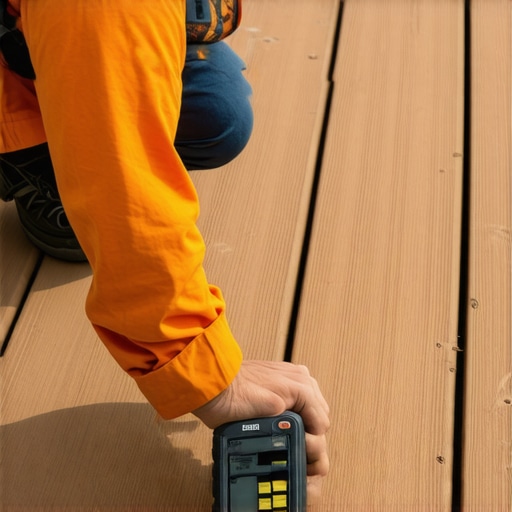 The image shows a professional using a moisture meter to assess the condition of a composite deck, illustrating the importance of precise maintenance tools in outdoor living.
What Shattered My Assumptions About Outdoor Rugs
One eye-opening lesson I learned early on was that not all non-slip rugs are created equal; my experience with rubber-backed mats trapping moisture revealed that my quest for safety could backfire if I wasn’t meticulous. This realization pushed me to prioritize breathable, drain-friendly materials, transforming how I approach outdoor decor. I also discovered that even minor details like rug installation techniques significantly impact moisture control, reminding me that excellence lies in the small things.
Tools and Resources That Changed the Game
My trusted moisture meter, the Delmhorst JD-8, has been an invaluable tool for preventing issues before they escalate. Pairing this with eco-friendly cleaners like Krud Kutter has simplified maintenance, while project management software like Buildertrend keeps me organized for long-term durability. Exploring trend reports on composite decking innovations for 2025 ensures I stay ahead with cutting-edge materials. These resources have empowered me to make informed decisions that enhance safety and longevity.
Your Next Breakthrough in Outdoor Living
Don’t let the complexities of moisture management hold you back from creating your dream outdoor space. With the right tools, materials, and mindset, you can craft a deck that’s both stunning and resilient. Embrace continuous learning and proactive maintenance—your perfect outdoor retreat is within reach. Remember, every expert was once a novice; your dedication today will pay off tomorrow. Ready to elevate your outdoor living game? Share your challenges and victories below—let’s build better decks together!
Comments are closed.