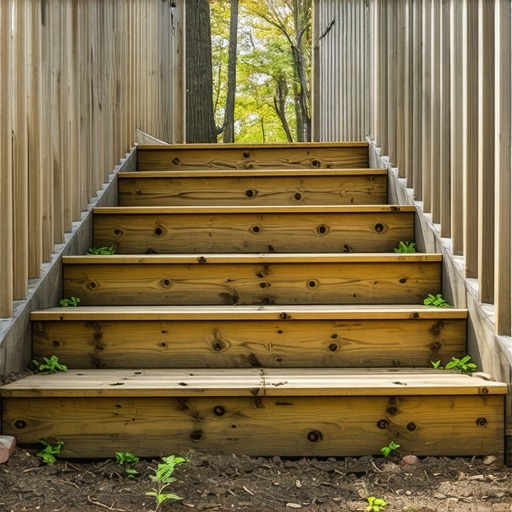
I distinctly remember the moment I stepped onto a newly built deck and immediately noticed the creaking and wobbling of the stairs. It was a hot summer day, and I had just finished installing a set of stairs using standard pressure-treated wood. The treads seemed steady enough at first, but as weeks went by, they started to squeak, and I could see visible warping. That lightbulb moment hit hard: I realized I had overlooked a critical detail, one that would cost me time, money, and peace of mind later on.
A Personal Lesson in Deck Building
Since that day, I’ve completely changed how I approach building outdoor stairs. No more pressure-treated lumber for stringers. Instead, I advocate for better, more durable materials—and today, I want to share why this shift is so important for anyone serious about creating a lasting, safe, and low-maintenance outdoor space. I’ll walk you through the common pitfalls I’ve encountered, backed by real-world experience and expert advice, so you can make smarter choices for your project.
Is Pressure-Treated Wood Still a Good Choice?
Let’s be honest—pressure-treated lumber was once the go-to for outdoor structures. It’s cheap, accessible, and resists rot fairly well—at least on paper. But I’ve learned the hard way that pressure-treated wood often isn’t the best option for stair stringers, especially in the long run. The woods are prone to warping, cracking, and splitting, which can compromise the stability of your stairs. Moreover, chemical treatments used in pressure-treated wood have raised health concerns and environmental questions, leading many to seek greener alternatives. If you want to avoid the ongoing repairs and safety risks associated with pressure-treated lumber, it’s worth exploring other options, like composite or naturally rot-resistant woods.
Early in my career, I made the mistake of trusting pressure-treated lumber without fully understanding its limitations. That mistake cost me time and money—resources I’d much rather spend on creating beautiful, durable outdoor spaces. To get it right from the start, I recommend reading some of the latest trends in outdoor living with composite decking and consider how new materials can elevate your project’s longevity and style.
Select the Right Materials to Ensure Longevity
Start by choosing composite decking that suits your climate and usage frequency. I once used a high-quality capped polymer for my stairs, which resulted in a stunning, low-maintenance finish that stood up to harsh weather. To make the right choice, review this comparison guide and avoid common pitfalls like opting for cheaper, low-quality boards that warp or fade quickly.
Design Your Stairs with Safety and Comfort in Mind
Measure your space carefully and plan the riser height and tread depth to meet local code requirements. A practical analogy would be like tailoring a suit—precision in measurements guarantees a perfect fit. I recall adjusting the riser height mid-project after realizing my initial measurements resulted in stairs that felt awkward to climb. Utilizing a calculator and following the rise and run rule ensures comfortable, safe stairs, minimizing the risk of trips and falls.
Prepare the Foundation Properly
Lay a solid footing using concrete footings or treated timber supports, especially on uneven or soft soil. Think of it like building a boat—it needs a stable hull before attaching the deck. I once encountered a wobbly set of stairs because I skipped proper footing installation. To prevent this, I used gravel and poured concrete beneath the posts following the concrete footing trick. This prevents settling and maintains level footing over time.
Construct the Stringers Carefully and Precisely
Use pre-cut stringers with notches for the treads, or cut your own using a template for accuracy. The key is to evenly space the notches and confirm the angles. I once modified a stringer by hand to fit a tricky corner—an imperfect cut led to instability. A better approach was to use a miter trick for clean joints. Double-check measurements before final cuts and always verify with a square or level—precision here prevents wobble.
Secure the Treads and Risers Effectively
Fasten decking boards with hidden fasteners designed for composite material. This reduces the risk of squeaks and allows for expansion. I learned this the hard way when using nails—they loosened over time, causing noisy, unstable steps. Now, I recommend hidden screw fasteners specifically rated for outdoor use to ensure durability and a clean look. Tighten them just enough to avoid stressing the boards but avoid overtightening, which can cause board cracking.
Finish with a Protective Seal
Applying a high-quality sealant designed for composite and wood combinations will extend the lifespan of your stairs. Think of it as sunscreen for your outdoor structure—protects against UV rays and moisture. I applied a breathable sealant I found effective, which kept my stairs looking new despite years of exposure. Regular inspections and touch-ups preserve the finish and prevent water damage, especially at critical joints and corners.
Even experienced DIYers often fall into traps because of misconceptions about materials and techniques in outdoor construction. Many assume that following standard practices guarantees durability, but the reality is nuanced. For example, everyone says pressure-treated wood is the best for framing, yet it can warp and crack over time, leading to instability in your stairs or deck structure. Instead, exploring alternatives like composite or naturally rot-resistant woods can provide longer-lasting results without the maintenance headaches.
A common mistake is overlooking the importance of proper detailing in stair design. For instance, inadequate stringer notching or incorrect riser measurements can result in unstable, squeaky steps. Advanced builders emphasize precise measurements and the use of templates, which significantly reduce errors. The rise and run rule is vital here, but beyond that, understanding the nuances of load distribution and material expansion is crucial for high-quality outdoor stairs.
Another hidden trap involves foundation setup. Many underestimate the crucial role of proper footings, especially on uneven or sandy ground. Skipping steps like gravel beds or concrete footings can cause settling or wobbling over time. Applying the concrete footing trick can mitigate this, ensuring your structure remains level and safe long-term.
Advanced builders also recognize the importance of understanding material expansion and contraction, particularly with composite decking. Studies indicate that improper fastening or spacing can cause warping and buckling, especially in fluctuating climates. Using hidden fasteners rated for outdoor environments and following manufacturer guidelines on spacing helps prevent these issues.
A critical misconception is that all composite decking is low-maintenance. While many brands advertise as such, not all are created equal. The latest trends in composite decking highlight the importance of choosing capped polymer boards over cheaper alternatives. These not only resist staining and UV damage better but also reduce the risk of moisture-related warping.
From a safety perspective, many underestimate the importance of precise stair and railing design. A small miscalculation in riser height can make stairs uncomfortable or even hazardous. Employing tools like a riser height calculator and verifying measurements with a level can prevent accidents. Additionally, understanding code compliance ensures your project is safer and more durable, which experts stress as a key factor in outdoor construction.
Let’s not forget the hidden costs. Cutting corners on fasteners or foundation work might save money upfront but can lead to expensive repairs later. Hidden fasteners like those rated for cold climates improve longevity and aesthetic appeal but are often overlooked. Similarly, conscientious preparation of the foundational elements, including proper drainage and secure anchoring, may seem tedious but are essential for a lasting structure.
Are you aware of these nuances, or have you ever fallen into these traps? Share your experience in the comments, and if you’re ready to elevate your outdoor space with professional guidance, visit our contact page for expert assistance. Remember, understanding these hidden details transforms a simple project into a durable, safe, and stunning outdoor living area.
Equip Yourself for Success: Tools That Make the Difference
When it comes to constructing or maintaining a durable, beautiful outdoor space, having the right tools can significantly streamline the process and enhance quality. I personally rely on a combination of precision instruments and high-quality equipment to ensure each project stands the test of time.
One indispensable tool is a laser level. Unlike traditional bubble levels, a laser level projects a perfect horizontal plane over long distances, allowing me to verify the evenness of decking surfaces and stair treads with remarkable accuracy. This becomes especially critical when working on multiple levels or uneven ground, ensuring a seamless and safe transition between areas. For those looking to invest in a reliable model, I recommend the Dewalt DW088K — its durability and clear laser lines have consistently delivered precise results for me over years.
How do I maintain composite decking over time?
Regular cleaning is key, and I use a park tool that combines a stiff-bristled brush with a long handle—this allows me to reach between boards without straining my back. For tougher stains or mold, I connect a pressure washer to a foam cannon with biodegradable cleaner, taking care not to exceed recommended pressure settings (around 1,500 PSI) to prevent damaging the surface. Additionally, I apply a high-quality, UV-resistant sealant annually to maintain color and prevent moisture infiltration, prolonging the life of my composite boards. Manufacturers like this guide offer helpful insights on restoring and maintaining the vibrancy of your decking.
Thinking ahead, I predict that the trend toward integrated automation will grow, with smart tools becoming more accessible for homeowners wanting to monitor their decks’ condition remotely. Technologies like moisture sensors connected to smart home systems could soon help you detect early signs of water intrusion or structural stress—making maintenance more proactive than ever.
Renovation and Scaling with the Right Equipment
If you’re considering scaling up or adding features like multi-level decks or additional stairs, investing in modular power tools like cordless circular saws, multi-tools, and vibration-dampening drills pays off. These tools facilitate quick, accurate cuts, minimizing material waste and ensuring cleaner joints. For instance, I favor the Milwaukee M18 Fuel Circular Saw for its power and portability, which simplifies working on larger projects in tight spaces.
Additionally, integrating software for precise material calculations and layout planning can save time and money. Programs like deck-design software help visualize your project, anticipate challenges, and plan your material needs accurately, reducing waste and delays.
For ongoing maintenance, I suggest setting a regular schedule for inspection and cleaning, guided by your tools’ data and your observations. A well-maintained deck not only looks great but also increases safety and longevity, saving you money in the long run.
Ready to elevate your outdoor projects? Try incorporating a laser level into your next build or maintenance routine and notice how it sharpens your precision and saves time. For expert guidance tailored to your specific project, don’t hesitate to reach out to our team for personalized assistance. Mastering these tools today sets the foundation for long-term outdoor living excellence.
The toughest lessons I didn’t see coming in deck craftsmanship
One of the most pivotal moments in my journey was realizing how overlooked details could silently undermine an entire outdoor project. For instance, I learned the hard way that not accounting for material expansion can lead to cupped or warped decking—an issue that no amount of finishing touches can rectify later. Deep down, I understood that investing in quality materials isn’t just about aesthetics but about resilience and safety. This insight prompted me to ask myself: Are my choices future-proof or just quick fixes? Recognizing these nuances transformed my approach and can do the same for you.
Essential tools that saved my projects—and my sanity
Over the years, certain tools have become game-changers—like my trusty laser level, which ensures every post and stringer lines up perfectly, saving countless hours of adjustments. I’ve also relied on moisture meters to detect hidden water intrusion before it becomes a visible problem, especially on composite decks that tend to trap moisture. Trust me, investing in quality tools like the Dewalt DW088K laser level has paid dividends, ensuring precision and peace of mind. These tools aren’t just gadgets—they’re your allies in creating safe, long-lasting outdoor spaces.
Your next outdoor masterpiece starts now—embrace the challenge
Building durable decks and stairs isn’t just a project; it’s an opportunity to craft a personal sanctuary that lasts for decades. By choosing the right materials, paying attention to detail, and leveraging the best tools, you’re setting the stage for success. Remember, every nail, beam, and board reflects your effort and vision. So go ahead—grab that drill, consult your plan, and turn your outdoor space into a masterpiece that will serve generations. Your future self will thank you for the effort you put in today.