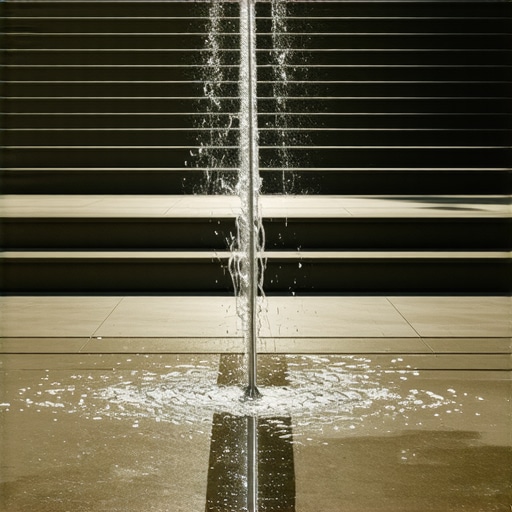
It was a damp autumn morning when I stepped onto my deck, only to find my stair landing completely soaked and covered in puddles. That unexpected sight wasn’t just a nuisance; it was a wake-up call. I realized that my neglect of proper drainage on the stair landing was causing persistent water pooling, leading to slippery surfaces and potential structural damage over time.
The Hidden Danger of Waterlogged Stair Landings
In my early days of outdoor living projects, I thought that a well-built deck was enough. But neglecting to install a proper drainage system on the stair landing proved costly. Water accumulation can lead to rot, mold, and even hazardous slipping hazards, especially during rainy seasons. Ensuring proper drainage isn’t just about keeping things dry; it’s about safeguarding your entire outdoor setup and preserving its beauty and safety for years to come. Experts agree that water issues are one of the leading causes of deck failure, emphasizing the importance of strategic drainage planning (source: Deck Design & Build).
Did I Do It Wrong? My Early Mistake
In my enthusiasm, I initially skipped consulting professionals on the drainage details, thinking a simple slope would suffice. That was a mistake. Learning from that oversight, I now realize that a thoughtful drainage design—such as integrating micro-drains or proper slope grading—is essential. If you’ve ever faced soggy stairs or unintentional mini pools, you’re not alone. Let’s explore how to prevent this common pitfall and keep your outdoor stairs dry and safe.
Assess Your Existing Setup
Begin by inspecting your deck’s current drainage. Dig around the base of your stairs to look for pooled water or signs of erosion. Take note of any areas where water tends to gather, especially at the landing and the bottom of the stairs, which can become hazardous in rain. This observational step is crucial to identify specific problem spots before implementing solutions.
Design a Slope for Water Runoff
Establish a slight slope—about 1/8 inch per foot—from the top of the stairs down to a designated drainage area. Think of this as creating a gentle hill that guides water away naturally. I once ignored slope angles and ended up with puddles. I corrected this by adding shims under the stair framing to achieve the proper angle, transforming puddles into dry surfaces.
Choose the Right Direction
Ensure the slope directs water towards a downspout, drain, or landscaped bed. Avoid pointing water toward your house or neighboring properties. Use a level to check the slope consistency across the entire staircase. Incorporating a level string line during framing helps maintain uniformity throughout the build.
Install Proper Drainage Components
Integrate drainage features like micro-drains, gravel beds, or perforated pipes beneath the landing. Micro-drains are flexible pipes that drain water away efficiently. When I built my last set of stairs, I installed a perforated pipe along the bottom, secured it with gravel, and connected it to my yard’s landscape drain. This setup effectively diverted water, preventing pooling and erosion.
Use High-Quality Materials
Select corrosion-resistant hardware and weatherproof membranes to protect drainage channels. Seal all joints with waterproof tape or sealant to block water ingress into framing cavities. Proper sealing and material choice extend the lifespan of your drainage system and maintain the integrity of your stairs.
Seal and Protect Your Stairs
Apply a waterproof sealant to the entire surface of your stairs, focusing on the landing edges and joints. This creates a barrier that prevents water infiltration into the wood or composite materials. In my experience, sealing after installing drainage components maximizes protection against water damage, especially in climates with heavy rainfall.
Regular Maintenance Checks
Schedule annual inspections to clear debris from drainage outlets, verify slope integrity, and reapply sealant as needed. Keep gutters and downspouts clean so water is directed properly away from your stairs. A well-maintained drainage system extends the life of your outdoor living space and keeps it safe from water-related issues.
While many believe that choosing composite decking automatically guarantees low maintenance and durability, the reality is more nuanced. One common misconception is that all composite boards behave identically over time; however, different formulations and manufacturing processes result in varying resistance to UV damage, scratching, and mold. In my experience, paying attention to the specific composite material and its warranties can save you headaches later. Another myth is that installing composite decking is straightforward, but without proper planning—like correct joist spacing and ventilation—boards can warp or develop mold rapidly. Always consult a professional deck builder who understands these subtleties, rather than assuming DIY fixes will suffice. When it comes to outdoor stairs, many underestimate the importance of micro-ventilation beneath treads, which can prevent moisture buildup and rot, especially in humid climates. This advanced step is often overlooked but has a profound impact on longevity. A common mistake is neglecting the proper slope and support for the stair stringers, leading to wobbly or unsafe steps. Check out this comprehensive guide on designing safe and stylish stairs, and see how expert tips improve durability (here). For those aiming to elevate their outdoor living space, understanding the intricacies—such as proper drainage, material selection, and structural support—is key. Many novice builders focus solely on aesthetics but overlook these critical nuances, which can cause costly repairs down the line. Additionally, myths about maintenance—like the idea that pressure washing harms composite—are false, provided you use the correct techniques and settings. Experts recommend a gentle hosing with a soft brush for routine cleaning, keeping your deck looking fresh without damage. If you’re planning a major upgrade, consider integrating multi-level designs and stunning staircases that blend seamlessly with your landscape—these features can dramatically boost your property’s appeal, as discussed in this inspiring article on modern outdoor stair designs. Overall, let’s dig deeper: avoid these common pitfalls and leverage expert insights to make your outdoor spaces both beautiful and resilient. Have you ever fallen into this trap? Let me know in the comments.
Investing in Quality Tools for Durability and Precision
Achieving a professional-looking, long-lasting outdoor deck relies heavily on the quality of your tools. I personally rely on a high-grade cordless impact driver, such as the DeWalt DCF887, which provides the torque and convenience needed for fastening composite boards securely without strip-outs. Its brushless motor offers durability, ensuring consistent power over extensive projects. For measuring slopes and ensuring proper drainage, I swear by a laser level; it guarantees precise angles on stairs and drainage grading, saving countless hours of manual adjustment. When framing or installing supports, I use a Framing Nailer like the Paslode Cordless to speed up the process and ensure consistent, strong fastening—especially invaluable when creating support structures that resist warping over time.
Essential Software and Design Tools
For planning and visualizing outdoor projects, I recommend using SketchUp. Its 3D modeling features allow you to experiment with stair designs, lighting, and layout before lifting a single board, helping you avoid costly mistakes related to slope or support placement. Incorporating detailed CAD drawings ensures your structure will withstand the test of time, especially when integrating drainage or custom staircases. Furthermore, using project management tools like Trello or Asana can help keep track of maintenance schedules—vital for long-term results.
Regular Checks and Maintenance Routines
Keeping your outdoor living space functioning smoothly over the years demands scheduled inspections. I make it a point to check for loose fasteners, sealant integrity, and drainage blockages at least twice a year. Employing a debris extraction blower makes clearing gutters and drainage paths quick and effective, reducing water pooling risks drastically. Additionally, applying a high-quality sealant, like Waterproof Deck Sealant, every few years preserves the integrity of composite surfaces and prevents moisture ingress.
Predicting the Future: Technology and Maintenance
Looking ahead, I anticipate the integration of smart sensors that monitor moisture levels, structural shifts, and UV damage in real-time. These innovations will empower homeowners and builders alike to perform preventative maintenance before minor issues escalate. Already, some advanced systems can alert you via smartphone if drainage systems clog or if structural elements experience unusual stress. Embracing these tools now positions you at the forefront of outdoor living innovation.
How do I maintain composite decking and stairs over time?
Regularly inspecting for debris and water buildup, reapplying sealants, and using advanced drainage solutions can extend your deck’s lifespan significantly. Try incorporating micro-ventilation beneath stairs or advanced sealing for joints to prevent moisture infiltration, which is often overlooked yet critical for durability. As you upgrade your toolbox, consider adding a laser level and a moisture meter—these will make precise adjustments and early detection of issues effortless. Remember, the key to durable outdoor living spaces is proactive maintenance and leveraging the right tools today for a safer, longer-lasting tomorrow.
The Hidden Lessons That Changed My Outdoor Living Approach
- Never assume a simple slope is enough; professional drainage planning can save you from soggy stairs and costly repairs later. My first attempt lacked proper grading, leading to pooled water and safety concerns.
- Choosing quality materials and components isn’t just about appearance—it’s about long-term resilience. I learned this the hard way when cheap drainage pipes clogged prematurely, causing water damage.
- Regular maintenance extends your deck’s life far beyond initial expectations. Routine inspections for debris and sealant reapplied every few years have kept my deck looking and functioning like new.
My Favorite Tools and Resources for Outdoor Deck Mastery
- Laser Level: Ensures precise slope grading and support alignment, preventing water pooling and structural issues. I trust this tool because it saves time and guarantees accuracy in every project.
- Impact Driver such as DeWalt DCF887: Facilitates fast, secure fastening, especially when working with composite materials. Its durability and torque have made my building process more efficient.
- SketchUp: This 3D modeling software transforms your design ideas into realistic plans, helping you visualize drainage paths, stair placements, and support structures before construction begins.
- Professional Deck Design Guides: I recommend sources like this comprehensive resource for innovative stair designs that blend safety, style, and durability, ensuring your outdoor living space stands out.
Embrace Your Outdoor Transformation
The journey to a resilient, beautiful outdoor deck involves learning from experiences, investing in the right tools, and staying proactive with maintenance. Don’t let water pooling or structural neglect hold back your outdoor ambitions. With attention to detail and a willingness to adapt, you’ll create spaces that invite family gatherings, relaxation, and admiration for years to come. Now is the perfect time to start or refine your project—your outdoor oasis awaits! How has water management impacted your outdoor projects so far? Let me know your story below.
Comments are closed.