
One summer afternoon, I was kicking back on my deck, savoring the sunshine when suddenly, a shrill squeak broke the peaceful harmony. I looked around, thinking maybe a squirrel was having a dance party upstairs. But no—turns out, my composite decking had become a veritable symphony of squeals and squeaks every time I walked across it. Frustration set in. I was already dreaming of a chill weekend without the unsettling symphony of my deck underfoot.
Why the Noise Matters More Than You Think
Composite decking is loved for its low maintenance and durability, but that squeaking noise? Not so much. It can turn your outdoor sanctuary into a source of annoyance and even concern. If you’ve experienced this, you know how disruptive it can be—especially when you’re trying to relax, entertain guests, or enjoy a peaceful morning coffee. The good news? I found ways to tame those pesky sounds, and I’ll share my proven strategies.
Is the Squeak Solution Overhyped?
Initially, I worried that fixing my squeaky deck would be a Herculean task that required tearing everything apart. My early mistake was believing I’d need expensive tools or to replace entire sections. That’s not the case. In fact, many squeaks can be resolved with simple adjustments and some routine maintenance. According to a recent study from Houzz, proper installation and periodic tightening can significantly reduce noise in composite decks. I’ll walk you through my journey from frustration to silence, so you don’t have to suffer the same.
Ready to bring peace back to your outdoor space? Let’s dive into how you can stop your Composite deck boards from squeaking and restore serenity to your backyard oasis.
.
Tighten Every Fastener
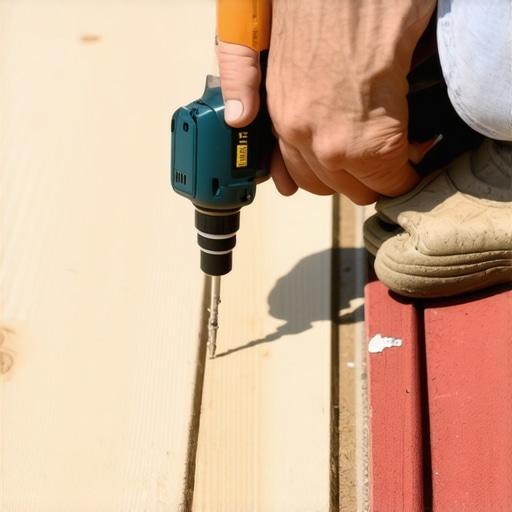
Begin by inspecting your deck for loose screws or nails; these are often the primary culprits behind squeaks. I grabbed a cordless drill and a staple puller during a rainy Saturday, tackling each board’s fasteners diligently. Some screws were loose, so I tightened them with a power screwdriver, ensuring they sat flush. Think of deck boards as piano keys—if they aren’t secured properly, they’ll produce unwanted noise. After tightening, walk across the deck to check if the squeaking persists. If it does, move to the next step.
Apply Lubricant to Problematic Areas
Using a silicone-based lubricant spray, I targeted the seams where boards met joists. These junctions often produce squeals when they rub or shift. I sprayed a small amount onto each connection, moving slowly to avoid over-application. This step is akin to oiling door hinges—reducing friction can eliminate squeaks without costly repairs. Be cautious to keep the lubricant confined to the joints; excess can attract dirt or debris over time.
Shim and Adjust for Perfect Fit
Sometimes, squeaks stem from gaps or unevenness between boards and supports. I inserted plastic shims under specific boards that felt loose. This level of precision is similar to setting a table—each leg needs to be even for smooth footing. To do this, I gently lifted the board with a pry bar, slid the shim underneath, and pressed down until firm. Re-walking the deck after each shim application confirmed immediate noise reduction. This simple step can be a game-changer for stubborn squeaks.
Seal the Gaps and Joints
For long-term peace, sealing gaps with a flexible outdoor sealant helps prevent ongoing movement. I used a caulking gun to fill small crevices around the boards’ edges. Think of it as applying a safety net—preventing parts from rubbing against each other and creating noise. Ensure the deck is dry before sealing. Proceed by smoothening the sealant with a damp finger or spatula, which also helps to visually confirm full coverage. This step reinforces the stability of the entire structure.
Routine Maintenance to Prevent Future Squeaks
After resolving current issues, schedule periodic inspections—think of it as a health check for your deck. Every season, revisit fasteners, reapply lubricant if needed, and check for new gaps. Regular maintenance not only prolongs the life of your deck but keeps it whisper-quiet. If you’re unsure about the structural integrity or want a professional touch, consult a deck builder to ensure your outdoor space remains safe and serene.
 Many outdoor living enthusiasts believe that choosing the right decking material alone guarantees enduring beauty and safety. But in my experience, there’s a deeper layer of nuance that often gets overlooked. For instance, many assume that composite decking requires minimal maintenance, yet neglecting proper installation and climate considerations can lead to premature wear and squeaks. This misconception is dangerous because it lulls homeowners into neglecting crucial details like fastening techniques and material quality, which significantly influence long-term durability.
What Advanced Mistakes Do Even Seasoned DIYers Make When Designing Stairs and Deck Transitions?
One common oversight is underestimating the importance of precise stair stringer calculations and seamless transition designs. Such errors might seem minor but can compromise safety and aesthetics over time. The key is mastering detailed measurements and professional-grade construction standards, as highlighted in recent expert guides. Skipping these steps, or relying solely on generic plans, can result in uneven stairs, unstable railings, or code violations—traps that amateur builders often fall into.
Furthermore, many overlook the importance of climate-specific materials. For example, in coastal environments, using stainless-steel fasteners instead of zinc-coated ones prevents corrosion—a nuance often missed by beginners but vital for maintaining structural integrity. According to a study published in the Journal of Building Engineering, selecting materials aligned with local weather conditions extends the lifespan of outdoor structures significantly.
Lastly, collaborating with a professional deck builder not only streamlines the process but also incorporates advanced expertise into every facet of your project. A seasoned builder understands the subtleties of multi-level transitions and the best practices in seamless stair integration, as discussed in detail here. Don’t leave your outdoor oasis to chance; invest in expert guidance to ensure safety, longevity, and aesthetic appeal.
Need professional advice? Contact our experts today for tailored solutions. Have you ever fallen into this trap? Let me know in the comments.
Keeping Things Running Smoothly with the Right Tools
Maintaining your outdoor decking, stairs, and composite materials requires precision and the right equipment to ensure longevity and safety. I personally rely on a set of high-quality, specialized tools to handle common issues like squeaking boards, loose fasteners, and surface wear. For instance, a cordless impact driver with adjustable torque control is invaluable for tightening stubborn screws without damaging the composite material. Its versatility allows me to work quickly and precisely, saving time and reducing frustration.
Another essential tool is a high-pressure garden sprayer paired with biodegradable lubricant spray. This combo makes it easy to apply lubricant to tight spaces and moving parts, like stair hinges and railings, preventing squeaks and corrosion. I prefer sprays that are silicone-based because they repel water and don’t degrade the material over time. Regular application, say every few months, keeps the moving parts smooth and noise-free.
Predicting the Future of Outdoor Maintenance
Looking ahead, I believe automation and smart technology will become integral to outdoor maintenance routines. Imagine self-sensing fasteners that alert you when they loosen or a drone that performs routine inspections of your deck surface for damage or wear. These innovations will not only simplify upkeep but also extend your deck’s lifespan by catching issues early.
How do I keep my decking systems in top shape long-term?
Implementing a routine maintenance schedule is key. This includes inspecting fasteners, applying lubricant proactively, and sealing gaps before they become problems. Also, leveraging professional guidance through expert deck builders can make a significant difference. They utilize advanced techniques and quality materials that are designed for your specific climate and usage patterns. For further insight, check out how a skilled deck builder can elevate your outdoor living space.
Don’t shy away from investing in premium tools like a cordless impact driver and quality lubricants—it makes maintenance faster, safer, and more effective. I recommend trying out a silicone-based lubricant spray on your stairs or railings today; it’s a simple step that yields immediate benefits and helps prevent squeaks. Remember, consistent care and the right equipment are your best allies in keeping your outdoor space beautiful and functional for years to come.
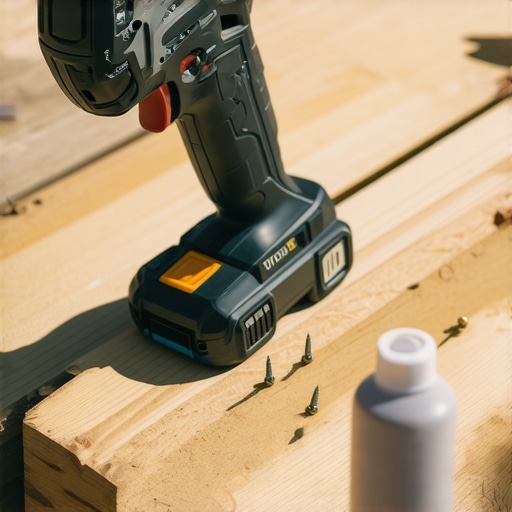
To visualize these tools in action, imagine a sleek impact driver tightening deck screws, and a spray bottle applying precision lubricant on your railings. These images embody the simplicity and effectiveness of proper maintenance techniques.
The Power of Listening to Your Deck’s Quiet Signals
One of the most profound lessons I learned was the importance of paying close attention to the subtle sounds and movements in my outdoor spaces. Those faint squeaks or slight shifts in my deck weren’t just annoyances; they were indicators of underlying issues. Recognizing these early warning signs allowed me to address problems before they worsened, saving both time and money. This intuition—tuned by experience—has become an essential part of maintaining durable, safe, and serene outdoor environments.
What I Wish I Knew About Climate’s Role in Deck Longevity
Initially, I underestimated how much climate influences the lifespan of composite decking and stairs. In coastal areas, for instance, salt and humidity catalyze corrosion and material degradation if not properly managed. Understanding and selecting climate-appropriate materials and fasteners has been a game-changer. For example, using stainless-steel fasteners in seaside locales greatly extends your deck’s life—an insight I found through dedicated research and speaking with seasoned professionals. This knowledge ensures you’re proactive rather than reactive.
The Hidden Value of Regular “Check-Ups”
Having a routine maintenance schedule transformed my approach from reactive fixes to preventive care. Skylights into my deck’s health—fastener tightness, gap formation, and surface wear—enabled me to act early. It’s similar to health monitoring; small, consistent checks prevent big, costly failures. Incorporating simple tools like a torque wrench or lubricant sprayer into quarterly routines keeps your outdoor oasis functioning smoothly and looking fantastic. Remember, consistency is key to long-term satisfaction with your outdoor living space.
Resources That Changed My Approach to Outdoor Living
Over the years, I’ve come to trust a few key resources that provide expert guidance and innovative ideas. Partnering with a professional deck builder is one of the best decisions—especially for complex projects or climate considerations. I also rely heavily on industry guides like the latest composite decking trends to keep my knowledge current. Finally, online forums and local suppliers often share real-world insights that help me troubleshoot and refine my maintenance routines. These tools and communities have empowered me to create outdoor spaces that stand the test of time.
Keep the Momentum Alive and Your Outdoor Space Flourishing
Taking charge of your composite decking and stairs isn’t just about fixing squeaks or replacing worn parts; it’s about fostering a lasting connection with your outdoor environment. Every careful inspection and strategic upgrade adds to a landscape that’s safe, beautiful, and ready for memorable moments. Your outdoor sanctuary is a reflection of your care—continue learning, investing, and enjoying. If you’re contemplating upgrades or repairs, consider collaborating with a professional deck builder for personalized expertise. The effort you put in now will reward you with years of outdoor bliss.