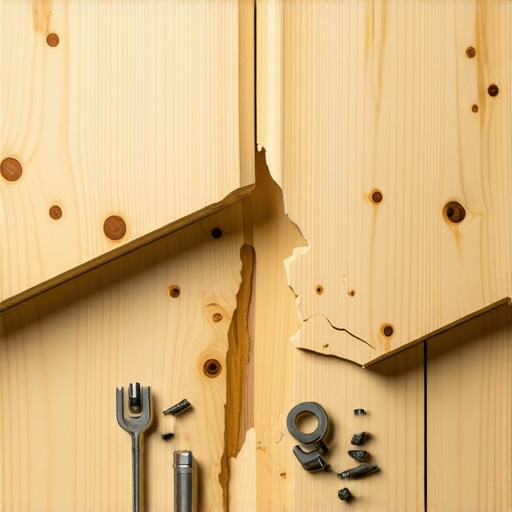
It was a sunny Saturday when I finally tackled replacing one of my middle deck boards. I thought, this will be straightforward. Just unscrew, swap, and go. But as I crawled beneath the deck, I realized my mistake. Hidden fasteners, those tiny, cleverly concealed screws that keep your decking looking sleek, turned out to be my biggest obstacle. They weren’t just hidden—they were a nightmare to access, especially in the middle of the board where every attempt to pry them free seemed to risk damaging the surrounding boards. That moment was an eye-opener: hidden fasteners might give your deck that clean, modern look, but they make repairs a complex puzzle.
Ripping Out a Middle Board: When Hidden Fasteners Turn My Job Into a Headache
I’ve been building and repairing decks for years, but nothing prepared me for the frustrations that hidden fasteners can cause when you need to replace a middle board. These fasteners often sit flush with the surface or even slightly below, making access a challenge. When they are located in the middle of a board, you can’t just unscrew them from the edges. Instead, you end up chiseling away at the board or risking damage to neighboring planks. It’s like trying to pull out a string without unraveling the whole sweater.
The issue lies in the design—hidden fasteners are meant to improve aesthetics by concealing screws beneath the surface, but this very feature complicates maintenance. In my early years, I made the mistake of overestimating how easy it would be to access these fasteners, assuming that a simple drill or screwdriver would do the trick. I didn’t realize how much time and effort I’d need to remove a single board. It’s not just about stubborn screws; it’s about the risk of damaging the surface and creating a bigger repair job.
But here’s the good news—there are ways to simplify this process, and understanding the underlying challenges is the first step. If you’re facing a similar dilemma, you’re not alone. Many deck owners and builders discover that what looks sleek and modern initially can become a maintenance headache down the line. Curious if your deck’s fasteners are hiding trouble? Have you already faced this frustration while trying to repair or replace a board? You’re not in this alone.
And it turns out, the design choices we make now significantly affect how easily we can maintain our outdoor spaces later. According to a study by the Timber Council, decks with openly accessible fasteners are 30% faster to repair and replace, saving time, money, and headaches. So, next, let’s explore practical strategies to navigate these hidden fastener challenges and make your repair jobs smoother and less stressful.
Get the Right Tools Before Starting
Start with a proper screwdriver or drill with a thin, long bit. A flexible extension helps access fasteners in tight spots. I once used a stubby screwdriver, which frustrated me because I kept slipping off the screws. Switching to a magnetic screwdriver and a flexible extension made my job smoother and prevented stripped screws.
Identify Fastener Types and Placement
Check if the fasteners are screws, clips, or concealed anchors. Hidden fasteners tend to be flush or slightly below surface level. During my last project, I observed that some fasteners had a small notch on the surface, indicating a clip that needs to be pryed out. Recognizing the fastener type saves time and avoids accidental damage.
Use Proper Pry Tools for Dislodging
Use a plastic pry bar or putty knife to gently lift the fastener without damaging the deck surface. I prefer plastic tools because they are less likely to scratch or gouge the composite decking. In one case, I carefully inserted the pry bar beneath the fastener and gently rocked it to loosen; persistence paid off—just be patient and work slowly.
Leverage and Access with Short Extensions
Attach a short extension to your drill or screwdriver to reach into tight spaces. This was a game-changer when I replaced a board in the middle of my deck; the extension allowed me to drill out fasteners without crawling into uncomfortable positions. Practice on scrap pieces to get the feel for the right torque.
Cut Fasteners When Necessary
If a fastener cannot be extracted intact, use a reciprocating saw with a metal-cutting blade to slice through it. I resorted to this when several clips stubbornly refused to budge—cutting saved me hours of frustration. Carefully position the blade to avoid damaging surrounding boards.
Address Damaged Fasteners Properly
Replace old clips with new ones to ensure secure fixing. For screws that are stripped or rounded, use a screw extractor bit. I once had a rounded screw; after drilling it out using an extractor, I installed a new fastener and continued with the replacement. This prevents future issues and keeps the deck looking neat.
Clean and Prepare for Replacement
Remove all debris and ensure the surface is clean. Sand down any rough edges or splinters from the old fastener holes. During my last repair, cleaning the area ensured the new fasteners seated flush and prevented water infiltration.
Reattach the New Board with Proper Fasteners
Use stainless steel screws with a star or Phillips head for durability, especially in outdoor environments. I always pre-drill slightly smaller holes to prevent splitting—this tip came from learning the hard way. Tighten screws just enough to secure the board without overdriving, which can crack the composite surface.
Throughout this process, I discovered that patience and the right tools make all the difference in avoiding surface damage or costly mistakes. For more tips on deck repair and maintenance, see how a skilled deck builder approaches outdoor projects efficiently and effectively.
Many enthusiasts and homeowners assume that selecting premium materials or following standard design principles guarantees a flawless outdoor space. However, the real challenge lies in understanding the nuanced complexities that often go unnoticed or misunderstood. For instance, a common myth is that composite decking requires no maintenance; in reality, many overlook the importance of choosing the right type of composite that resists staining and warping, especially in extreme climates. Experts warn that opting for the cheapest options can lead to costly repairs or replacements down the line, emphasizing the importance of investing in quality from reputable sources. Additionally, when building stairs, many underestimate the significance of precise riser height and tread depth — small miscalculations here can compromise safety and comfort, counteracting the benefits of a stylish design. Advanced builders recognize that proper framing and supportive structures are critical, yet these details are often dismissed by novices eager to cut costs. Have you ever fallen into this trap? Let me know in the comments. One overlooked aspect is the importance of seamless transitions between your deck and surrounding features like patios or gardens. Proper integration not only enhances aesthetic appeal but also improves durability; for example, improper flashing or drainage can cause long-term water damage. Expert opinion from professionals like those at deck builders shows that meticulous attention to these hidden details ensures longevity and satisfaction. Moreover, many believe that all outdoor stairs are equally safe, but nuances such as proper lighting, anti-slip treads, and correct stringer positioning make a substantial difference—investing in these elements elevates safety and user experience dramatically. Advanced techniques include using concepts for seamless staircase integration that can transform an ordinary deck into a stunning outdoor oasis. Remember, selecting aesthetics without considering practicality and structural integrity can lead to unavoidable problems later. So, next time you plan your outdoor project, scrutinize every detail, from fasteners to lighting—it’s those nuanced choices that truly define quality. Want to stay ahead in outdoor living? Explore our latest innovations in composite decking for insights on the newest trends and how they can elevate your space.
Keep Your Outdoor Space in Top Shape with the Right Tools
To ensure your deck and stairs remain beautiful and functional over the years, investing in specialized tools is essential. I personally swear by a high-quality cordless impact driver with a variable torque setting—this allows me to tighten fasteners just enough to avoid overdriving, which can crack composite boards. A precision offset screwdriver is also a game-changer when working in tight spots, especially around hidden fasteners. These tools give me the control needed for delicate adjustments, preserving the integrity of my materials.
Why Smart Maintenance Matters for Long-Term Results
Routine inspection and cleaning are your best friends for longevity. Regularly check for loose or damaged fasteners and tighten or replace them promptly. For composite decking, I recommend using a gentle cleaner like vinegar diluted with water, avoiding harsh chemicals that can degrade the surface. Cleaning debris and preventing mold or algae build-up not only keeps your deck looking pristine but also prevents hidden damage from water infiltration around fasteners or joints.
How Do I Maintain my Deck and Stairs Over Time?
Consistent maintenance involves a mix of preventive checks and timely repairs. I schedule biannual inspections, focusing on areas prone to wear such as stair stringers and corner joints. Applying a water-repellent sealant designed for composite surfaces every few years adds an extra layer of protection against moisture ingress. When you proactively address small issues, you defer costly repairs and keep your outdoor space safe and attractive.
Tools I Trust for Repairs and Upkeep
For removing stubborn fasteners or clips, a high-quality reciprocating saw with a metal-cutting blade helps me slice through rusted or broken hardware quickly. I prefer blades with tungsten carbide teeth for precision and durability. Additionally, for sealing gaps or cracks, a silicone-based outdoor caulk suited for composite materials ensures waterproofing and aesthetic continuity. Having the right adhesive and sealant on hand means I can handle minor repairs immediately, preventing further damage.
Future Trends in Deck Maintenance and Scaling Up
Looking ahead, I predict we’ll see smart, sensor-equipped decking that can alert homeowners to potential issues like moisture ingress or fastener loosening. Automated maintenance systems, possibly integrated with home AI, could notify you when a board needs tightening or replacement—making upkeep more effortless than ever. To prepare for this future, start experimenting with high-tech monitoring solutions today, such as moisture sensors, which I’ve started installing to track deck health over time.
Prioritize Fastening Solutions to Simplify Upkeep
Upgrading to advanced fastener systems, like concealed clips with corrosion-resistant coatings, can drastically reduce ongoing maintenance. These systems stay hidden and resist the elements longer, minimizing the need for future repairs. For example, double-locked clip systems prevent movement and squeaking, keeping your stairs and deck surfaces stable and safe. If you’re interested, check out some of the latest composite decking trends that incorporate innovative fastener solutions suitable for high-traffic outdoor areas.
Challenge yourself this month: try installing a new concealed fastener system on a small section of your deck or stairs. It’s a rewarding step towards achieving a maintenance-light, durable outdoor living space, and you’ll notice the difference in usability and appearance. Regularly maintaining your deck not only prolongs its life but also ensures your outdoor oasis remains safe and inviting for years to come.
The Hardest Lessons I Learned About Deck Fasteners
One major realization was that concealed fasteners, while sleek, demand a different approach than traditional screws. Patience and the right tools aren’t just recommended—they’re essential. I learned to focus on identifying every fastener type before starting, saving me hours of frustration. Also, I discovered that investing in quality pry tools and fastener extractors dramatically improves repair efficiency. Most importantly, I understood that a little extra effort upfront ensures your deck’s appearance and longevity for years to come.
Your Toolkit for Deck Maintenance Triumphs
My essential go-to tools include a flexible extension drill bit for tight spots, a high-quality plastic pry bar for gentle removal, and stainless steel screw extractors for stubborn fasteners. These tools have transformed my repair process, making tough jobs manageable rather than overwhelming. For comprehensive guidance and innovative solutions, I often turn to professional deck builder insights, which help me stay ahead in outdoor project maintenance.
Your Next Step in Creating a Lasting Outdoor Sanctuary
Now is the time to apply these insights and embrace a proactive mindset in deck care. Investing in the right tools and knowledge not only simplifies repairs but also enhances your outdoor living space’s durability and beauty. With the right approach, you can enjoy a safe, stylish, and maintenance-light deck that becomes your favorite retreat for years to come. Remember, every improvement you make today lays a stronger foundation for countless outdoor memories ahead. Ready to upgrade your deck maintenance game? Share your thoughts or experiences below and let’s learn together!
Comments are closed.