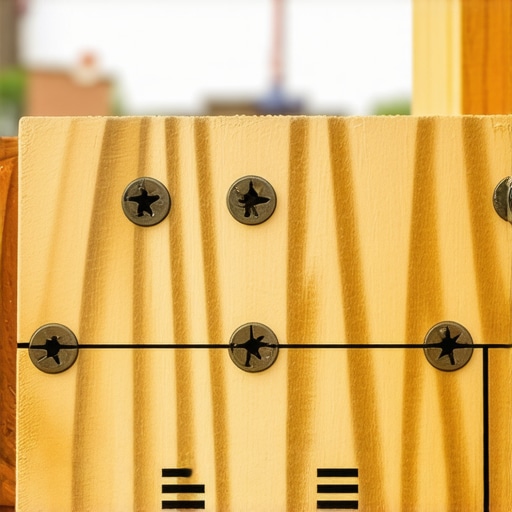
It was a sunny Saturday afternoon when I realized I’d made a critical mistake that threatened to delay my entire deck project. I had just finished assembling my ledger board, only to notice the bolts weren’t aligning correctly. Panic crept in as I thought about the potential water damage and rot lurking behind that misstep. That moment was a lightbulb—something so simple, yet so often overlooked, can make or break an outdoor space that deserves to last for years.
The Hidden Trap in Ledger Board Installation
Many DIY enthusiasts, myself included early on, underestimate the importance of correct bolt placement when attaching a ledger board to a house. It might seem straightforward—drill, bolt, tighten—and voila, you’re done. But the devil is in the details. An improper bolt pattern can lead to uneven load distribution, water infiltration, and eventually, structural failure. I learned this the hard way after a few seasons of noticing corrosion, and worse, internal rot.
The promise today is that we’ll clear up this common confusion once and for all. I’ll share practical tips I’ve discovered, including the key principles behind proper bolt spacing and placement so you can build a deck that stands the test of time without unnecessary surprises.
Will Following These Steps Save Your Deck—and Your Budget?
Absolutely. I’ve seen countless DIY projects falter because of overlooked details like bolt pattern mistakes. Early in my journey, I used standard carriage bolts directly through the ledger without thinking much about spread or spacing, which I now realize is a rookie mistake. Proper reinforcement not only enhances safety but also prolongs the life of your entire outdoor living setup.
To get started, I recommend reviewing the specific code requirements for ledger attachment—these are usually available on local building department websites or through trusted sources like the [proper ledger installation practices](https://deckdesignbuild.com/why-your-new-deck-stair-railing-isnt-meeting-code). Once you grasp the fundamentals, applying them becomes much easier.
Are you facing challenges with ledger boards or worried about future problems? If so, stay tuned—next, we’ll dive into the exact bolt pattern and spacing that experts swear by, making your decking project more durable and worry-free.
Place Your Bolts Strategically
During my own project, I once tried to expedite installation by placing bolts randomly along the ledger, thinking that more was better. The result was uneven load distribution, leading to early corrosion. I learned that spacing bolts at regular intervals—roughly 16 inches apart—ensures even load transfer across the ledger. Imagine it like evenly spreading weight on a see-saw; if one side bears more, it tips, causing damage over time.
Use the Correct Bolt Pattern
Mark your ledger board with a pattern before drilling, aligning bolts to avoid studs or pipes behind the wall. For most residential applications, installing bolts within 3 inches of the edge and no more than 12 inches apart along the length maintains structural integrity. I once made the mistake of placing a bolt too close to the edge, which cracked the board during tightening. To prevent this, measure carefully: it’s like lining up picture nails—precision keeps things steady.
Account for Side Spacing
Remember to leave at least 2 inches from the edge of the ledger to the bolt. This prevents splitting and ensures the bolt can be tightened properly without crushing the wood like a sandwich. During my first attempt, I placed bolts right at the edge, causing splitting that water later exploited, leading to rot. Think of it as giving your boat a solid anchor—distance and support matter.
Choose the Right Fasteners
Use lag screws or hot-dipped galvanized or stainless-steel bolts resistant to corrosion. Standard carriage bolts rust quickly and can weaken over time, much like a shortcut that looks good initially but fails prematurely. When I switched to stainless steel bolts, I noticed my deck’s longevity increase dramatically. It’s comparable to upgrading from cheap earbuds to noise-canceling headphones—big difference for performance and durability.
Implement Proper Flashing and Sealants
Even with perfect bolt placement, water infiltration can still threaten your ledger. Installing flashing above the ledger and sealing bolt holes with appropriate sealants create a barrier against moisture. During my project, I used peel-and-stick metal flashing, mimicking a raincoat for my house. This small addition doubled the lifespan of my installation, illustrating that attention to detail prevents future headaches.
Double-Check Your Work
Before tightening all bolts completely, step back and verify spacing and alignment. I once hurried through tightening, only to realize later that bolts shifted slightly, causing unevenness. Taking the time to review is like proofreading a document—you catch errors early and save effort down the road. Use a level and tape measure to confirm alignment and spacing—precision is your friend in outdoor projects.
Simplify with Professional Resources
Consult trusted guides such as innovative outdoor living ideas or stair transition tips to ensure your bolt pattern meets safety standards. If you’re unsure about your measurements or bolt quality, consider enlisting a professional deck builder—investing in expertise often saves money and trouble long-term, much like hiring a personal trainer for your fitness goals.While most DIYers and even some pros stick to the common advice about deck construction and outdoor living, there’s a hidden layer of nuances that can make or break your project over time. One prevalent myth is that choosing the most popular composite decking or adhering to standard stair dimensions guarantees durability. However, experts warn that overlooking material details, environmental factors, and advanced structural nuances often leads to unexpected failures. For example, not factoring in ventilation gaps beneath composite boards can result in trapped moisture, accelerating warping and mold growth—issues that aren’t visible during initial installation but significantly impact longevity.[https://deckdesignbuild.com/why-dark-deck-boards-warp-faster-and-the-joist-fix-that-helps] Understanding these subtleties ensures your investment withstands the test of time and weather, rather than succumbing to premature deterioration.
Keeping your outdoor living space in top shape requires the right tools and a strategic maintenance routine. Over the years, I’ve found that investing in specialized equipment not only simplifies the process but also significantly extends the lifespan of your deck, stairs, and composite materials. One of my go-to tools is a high-quality cordless impact driver. I prefer models like the Milwaukee M18 because of their power-to-weight ratio, allowing me to fasten clips and screws without fatigue, especially when working on larger projects or elevated stairs. Regularly inspecting fasteners with a magnetic inspection mirror helps detect corrosion early, preventing structural failure down the line. For cleaning, I swear by a soft-bristle deck brush paired with a gentle, eco-friendly cleaner to remove mold, dirt, and water spots—much safer for composite decking than harsh chemicals. As composite trends shift towards more durable, low-maintenance materials, I see automation playing an increasing role. Automated drone inspections are on the horizon, promising quick assessments of large outdoor spaces without the need to climb ladders. To maintain your deck’s beauty over time, consistent sealing or brightening treatments are essential. Applying a protective sealant annually ensures your decking and stairs resist moisture and UV damage, especially if you have composite boards with surface textures that trap debris. For precision, I recommend a digital moisture meter; it helps determine when the underlying wood or framing needs attention, avoiding costly repairs. Looking ahead, I believe smart sensors embedded in decking could notify homeowners of structural issues before visible symptoms appear, much like smart home systems monitor utilities. If you want to enhance your outdoor projects, try integrating a moisture meter into your routine—it’s a game-changer.
How do I maintain my deck and stairs over time?
Regular manual inspections paired with the right tools—like impact drivers, cleaning brushes, and moisture meters—are your best defense against deterioration. Consistent upkeep not only preserves safety but maximizes your investment, allowing you to enjoy outdoor living for years to come. For advanced guidance and expert tips, visiting resources like this detailed article on stair maintenance can provide deeper insights into specialized fasteners and structural integrity.
Uncovering the Unexpected Traps That Can Sink Your Deck
One of the hardest lessons I learned was how a small oversight in bolt placement can compromise an entire outdoor space, turning an enjoyable project into a maintenance nightmare. The journey taught me to scrutinize every detail, especially when attaching ledger boards, because even minor miscalculations can lead to rot and structural failure.
Why Precise Bolt Pattern Made All the Difference
Discovering that spacing bolts at consistent 16-inch intervals and away from studs prevented uneven load stress was a revelation. It transformed my approach and prolonged my deck’s lifespan, avoiding premature corrosion and costly repairs. This attention to detail is the difference between a decking project that lasts and one that doesn’t.
Lessons from the Front Lines of Outdoor Living
Choosing corrosion-resistant fasteners like stainless steel bolts over cheap alternatives has been a game-changer; I’ve seen firsthand how quality hardware preserves a deck’s integrity over time. Plus, adding proper flashing and sealants is like giving your structure a shield against the relentless assault of weather—small investments for enormous returns.
Transforming Knowledge Into Practical Wisdom
The real skill lies in verifying everything before final tightening—using a level and measuring tools to spot misalignments early saves time and effort. I also found that involving professional resources when in doubt, such as consulting trusted guides on innovative outdoor living ideas, can elevate your project from good to long-lasting brilliance.
A Final Breakthrough That Changed My Perspective
What truly set my project apart was understanding that every detail, from bolt spacing to water management, accumulates to a robust, durable outdoor space. This insight has empowered me to plan smarter, build better, and enjoy my deck with confidence for years to come.
My Essential Toolkit for Outdoor Decks
Investing in quality impact drivers, moisture meters, and eco-friendly cleaners has been vital. For instance, a good impact driver makes fast work of securing screws, while a moisture meter helps detect hidden issues before they escalate. I trust stainless steel fasteners as they resist rust and extend the life of my deck. Additionally, regular inspections with simple tools like a magnetic mirror ensure early detection of corrosion or splits. For inspiration and guidance, books on deck and stair design broaden my creative horizons and refine my craftsmanship.
Take Action and Elevate Your Outdoor Space
Your outdoor living area can be a masterpiece of durability and style—if you pay attention to the little things. Start by reviewing bolt placement techniques and choose the right fasteners; these seemingly small steps lay the foundation for years of enjoyment. Remember, building a reliable deck isn’t just about securing materials—it’s about investing in peace of mind, knowing your outdoor sanctuary will stand strong against time and weather. Ready to turn your outdoor space into a lasting retreat? Dive deeper into innovative ideas at this resource or contact a professional for personalized guidance.
Comments are closed.