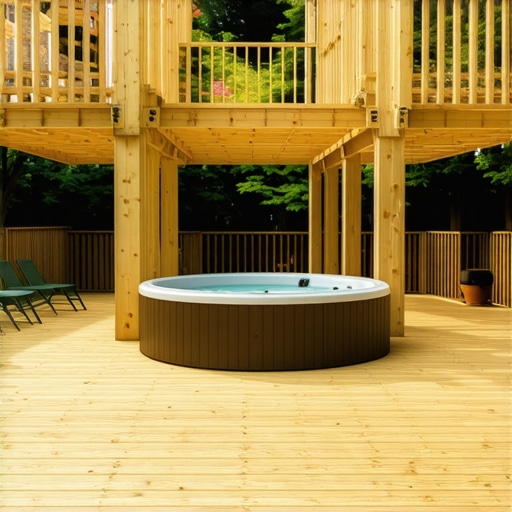
I’ll never forget the afternoon I decided to install my first hot tub. It was a sunny Saturday, and I was eager to create a relaxing oasis in my backyard. But as I began building the frame, I quickly realized I had overlooked a crucial detail—supporting a hefty 400-gallon hot tub properly. The frustration was real. I had underestimated how much weight and precise framing were involved. Not only did I have to refine my approach, but I also learned a valuable lesson about outdoor living projects.
Why Proper Deck Framing Matters When Hosting a Hot Tub
Finding the perfect spot for your hot tub is just the start. The real challenge lies in ensuring your deck can handle the load safely and durably. If the framing isn’t up to snuff, you risk structural failure, costly repairs, and most importantly, safety hazards. A strongly framed deck not only provides peace of mind but also enhances the longevity of your investment. I discovered early on that neglecting this step could turn your relaxing retreat into a nightmare. Proper framing guarantees that your hot tub stays sturdy through seasons and heavy use, transforming your outdoor space into a true sanctuary.
Is Overbuilding Necessary for Hot Tub Support?
One of my biggest fears was overspending on heavy-duty materials when simple solutions seemed enough. Early mistakes, like using standard lumber without considering the weight distribution, can cause sagging or worse. I learned that selecting the right materials and understanding the load requirements is essential. It’s tempting to cut corners, but with a bit of planning, you can build a deck that’s both robust and cost-effective. Want to see how professional builders approach this? Check out how skilled deck builders enhance outdoor spaces for expert tips.
Now that I’ve shared my initial missteps, let’s dive into the practical steps to confidently frame your deck for that perfect hot tub experience. Follow along, and you’ll be well on your way to creating a safe, beautiful outdoor retreat.
Strengthening Your Foundation with Precise Framing
Start by designing a layout that distributes the hot tub’s weight evenly. Use a level to mark the footing locations, ensuring the ground is compacted and even. Remember, a stable base is crucial; imagine it as the backbone of your entire setup. I once set out to build without proper ground prep, which resulted in a wobbly deck that creaked under the hot tub’s weight—an easy fix once I leveled the ground and aligned my footings correctly.
Concrete Footings: The First Essential Step
Dig footings below frost line using a post-hole digger, roughly 12 inches in diameter. Pour concrete, embedding a 2×4 or steel post anchors. This creates a solid pillar, similar to setting sturdy columns for a classical building. I recommend setting the forms on compacted gravel for drainage, preventing water from pooling and eroding the base over time. Proper footing depth and concrete pour prevent future settling or shifting, which can undermine your hot tub support.
Framing the Support Structure Properly
Use pressure-treated lumber—consider choosing a species with higher load capacity like Southern Yellow Pine. Space the joists 16 inches on center, using steel post brackets to secure them. Think of each joist as a spine supporting a heavy backpack; space them appropriately to share the load evenly. I once neglected precise joist spacing, resulting in sagging boards. Following manufacturer specs and local building codes assures a durable frame that prevents future issues.
Selecting the Right Materials for Strength and Longevity
Opt for composite decking around your support frame; it’s low-maintenance and weather-resistant. Use galvanized or stainless steel screws to connect components—avoiding rust that can weaken the structure. I swapped out my standard screws for stainless steel ones after I noticed corrosion developing, which significantly prolonged the deck’s life, especially in humid environments. Professional decking installation tips, like those in this guide, can help ensure your project stands the test of time.
Seamless Integration of Support and Decking
Once the frame is sturdy, install your decking with proper spacing for drainage—about 1/4 inch apart. This prevents water pooling and potential warping. Use a hidden fastener system to maintain a sleek appearance and prevent rusting. When I built my deck, choosing the right fastening system and spacing made my surface look polished and resisted moisture for years. For additional tips on decking styles, see this resource.
Adding Stairs and Access
Design stairs that complement your deck’s support structure. Use stringers with appropriate rise and run—aim for 7-1/4 inches rise per step—ensuring comfort and safety. Secure stringers with steel brackets, preventing wobbling. I learned this firsthand when a friend’s stairs wobbled, making it unsafe. Properly secured and aligned stairs are crucial; think of them as the welcoming staircase to your outdoor oasis.
Enhancing Safety and Style
Incorporate handrails and non-slip treads—especially if you live in icy climates. Use decorative balusters or glass panels for visual appeal without sacrificing safety. I added LED step lighting beneath the handrail for a warm glow, transforming my deck into a nighttime retreat. Technical insights on stairs and railing design are available in this article, which I found invaluable.
Many homeowners believe that choosing composite decking automatically means low maintenance and perfect durability, but in reality, there are nuances that can make or break your outdoor project. For example, a prevalent myth is that all composite materials are created equal; however, recent studies, such as those highlighted by expert decking trend reports, show significant differences in performance, especially regarding weather resistance and surface slipperiness. To truly benefit from composite decking, understanding the latest advancements—like mineral core technology—can help you avoid short-lived surfaces that warp or fade prematurely. It’s a mistake I see often: homeowners rushing into choices without researching the specific material science behind various brands.
What Advanced Features Should You Look For in High-Quality Decking?
Beyond basic maintenance, look into features such as UV resistance, abrasion durability, and color stability over time. Some brands incorporate innovative additives that reduce black spots or prevent warping, which are critical in harsh climates. A professional deck builder can help you select materials that maximize lifespan, especially if you plan to incorporate complex stairs or multi-level layouts. Overlooking these nuanced differences often leads to costly replacements or repairs sooner than expected, so don’t fall into the trap of choosing the cheapest option without thorough research.
Advanced Mistakes During Stair and Railing Installation Can Damage Your Deck
When it comes to stairs, many underestimate the importance of proper stringer attachment and load distribution. Using undersized post anchors or improper stringer spacing not only causes bouncy or squeaky staircases but also risks structural failures. For high-traffic or heavy-duty applications, selecting the correct hardware—like steel brackets or tension cables—is crucial. Professional installation tips tell us that seamless transitions and secure anchoring prevent dangerous wobbles or collapses, especially when combining stairs with intricate support frameworks. Remember, safety isn’t just about aesthetics; it’s woven into the very fabric of proper construction.
In outdoor construction, myths can cloud judgment and lead to costly missteps. Be especially cautious about brushes with traditional materials and outdated techniques. Staying informed about materials’ latest developments, such as those discussed in choosing the right composite, can save you headaches and expenses. Properly integrating stairs, ensuring seamless support, and choosing premium materials all contribute to a durable and stunning outdoor space. Have you ever fallen into this trap? Let me know in the comments. Remember, careful planning and expert input are your best tools for a successful outdoor living project.
Maintaining your outdoor composite deck and supporting structures is crucial to ensuring their longevity and safety. Over the years, I’ve refined my toolkit with a few essential tools and methods that have proven invaluable for ongoing maintenance. Using the right equipment not only saves time but also prevents damage that can lead to costly repairs. Let’s explore the specific tools I recommend for keeping your deck in top shape.
Essential Tools for Deck Upkeep
First and foremost, a high-quality power washer is indispensable. I personally rely on a professional-grade unit with adjustable pressure settings, like the Simpson Cleaning ALH3420, because it effectively removes dirt, algae, and grime without harming the composite surface. Regular cleaning with a power washer prevents buildup that can cause slipping hazards and surface degradation. Proper cleaning techniques are vital, and a power washer makes this process quick and thorough.
Next, a detailed set of hand tools such as a screwdriver, a cordless drill with various bits, and a level ensure that any loose fasteners or misaligned boards can be addressed promptly. I prefer a drill with a torx bit, which fits the fasteners I use for composite decking—stainless steel screws like the TREX Hidden Fasteners system, which I swear by for durability and ease of installation.
Methods for Long-Term Preservation
Beyond tools, adopting a routine maintenance schedule is key. I recommend inspecting your deck at least twice a year, focusing on fasteners, seams, and areas prone to water pooling. Applying a high-quality sealant designed specifically for composite borders and stair risers—a product like the 3M Marine Fastener Preventative Coating—can reduce corrosion and prevent scratching over time. This proactive approach averts many issues before they escalate, saving you both money and frustration.
How do I maintain composite decking over time?
Keep the surface clean and free from debris, regularly check fasteners for tightness, and avoid using harsh chemicals like bleach that can damage the surface. For stubborn stains or black spots, a gentle solution of vinegar and water often does the trick, or consider specialized composite cleaners. I also recommend consulting resources like this guide for tips on safeguarding your deck’s support structure long-term.
Looking ahead, I predict that the trend in outdoor maintenance will lean heavily toward smart, automated systems—like moisture sensors that alert you when your deck needs attention—integrating technology for more efficient upkeep. For now, investing in the right tools and establishing a maintenance routine ensures your deck remains a stunning, safe extension of your home for years to come.
Ready to take your maintenance game to the next level? Try incorporating a power washer with adjustable settings and schedule biannual inspections. Small steps today can dramatically extend the life and beauty of your outdoor living space.

Hard-Earned Wisdom That Transformed My Approach to Outdoor Living
- Don’t Underestimate Ground Prep: I once started building without proper soil compaction, leading to unexpected settling that cracked my new deck. Now, I invest time in thorough ground leveling and drainage planning for lasting stability.
- Materials Matter More Than Cost: Choosing premium, weather-resistant materials like high-quality pressure-treated lumber or mineral core composite saved me headaches and money in repairs. Cutting corners might seem tempting but will cost you in the long run.
- Support Isn’t Sexy but Is Absolutely Essential: Properly designed footings and joist spacing create an unshakable foundation, especially when supporting heavy loads like a hot tub. Listening to expert advice saves you from future wobbling or worse.
- Professional Help Makes All the Difference: While DIY is rewarding, consulting experienced deck builders can unveil tricks—like concealed fastening systems—that elevate your project and ensure safety.
- Focus on Safety First: Incorporating sturdy stairs, secure handrails, and non-slip surfaces isn’t just aesthetic; it’s vital for peace of mind and compliance.
Tools and Resources That Truly Do the Job
- Power Washer: A top-tier unit like the Simpson Cleaning ALH3420 makes maintenance effortless, keeping your composite deck looking pristine and safe for years.
- Stainless Steel Fasteners: Investing in corrosion-resistant screws, such as TREX Hidden Fasteners, ensures durability especially in humid or salty environments.
- Comprehensive Guidebooks: I recommend books like Creating Seamless Transitions for insider tips on stair and support design.
- Expert Blogs and Forums: Regularly visiting trusted sites helps stay updated on material innovations and construction techniques, empowering you to make smarter choices.
Your Next Step Toward an Outdoor Oasis
Building a deck capable of supporting a hot tub is truly a rewarding challenge. It requires a blend of careful planning, quality materials, and professional insights. Remember, the journey may have its hurdles, but the resulting sanctuary—your personal outdoor retreat—is worth every effort. Embrace the learning process, and don’t be afraid to seek expert guidance. Your outdoor space will thank you for it.
What’s the most valuable lesson you’ve learned from outdoor projects? Share your experience below—I’d love to hear your story!