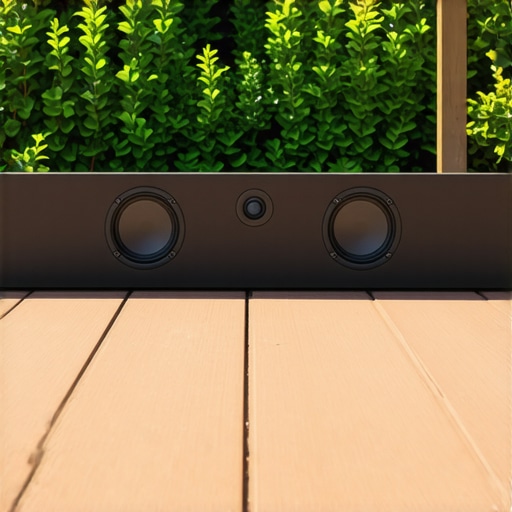
I vividly remember the tangled mess I found myself in one summer evening — stubbornly trying to enjoy some music on my deck, only to realize the sound was so loud that my neighbors had stopped by to politely (but firmly) ask me to turn it down. That moment hit hard… and I knew I needed a better solution. If you’ve ever faced a similar scenario, you know how frustrating it can be to strike a balance between enjoying your outdoor space and maintaining good neighborly relations.
Quiet Enjoyment Without the Noise Complaint
Everyone loves lounging on their deck, basking in the sunshine, or hosting Friends for a summer barbecue. But nothing spoils the vibe faster than worrying about loud music disturbing the peace. The problem isn’t just about volume — it’s about choosing the right **outdoor speakers** that deliver quality sound without turning your backyard into a noise nuisance.
Over the years, I’ve experimented with various types of outdoor speakers, and I can honestly say that not all are created equal. The key is to find models that produce rich audio while staying discreet and unobtrusive. Trust me, a good set of low-profile, weather-resistant speakers can transform your outdoor experience.
Did you know that a study by the National Rural Electric Cooperative Association reports that loud outdoor noise can contribute to neighbor disputes and even stress-related health issues? That’s a stark reminder that smarter sound choices benefit everyone, not just your listening pleasure.
But here’s the catch: many people make the mistake of installing traditional speakers without considering noise levels, placement, or the environment, which often leads to complaints or subpar sound quality. I once wired up some bulky, expensive speakers in a rush, only to find they projected sound too far and were easily knocked over, ruining the entire setup.
So, if you’ve been struggling to find the sweet spot between volume, sound clarity, and neighborly peace, you’re in the right place. Today, I’ll guide you through selecting outdoor speakers that let you enjoy your deck without turning into the neighborhood noise polluter. And trust me, the right choice can give you a backyard sound system that’s both powerful and respectful of your surroundings.
Position Speakers Strategically for Maximum Coverage and Minimal Disturbance
Start by mapping your deck and yard to identify ideal speaker locations. Aim to place speakers close to seating areas, but away from neighbor’s windows or property lines. I once tried mounting speakers at the far corners of my deck, thinking it would amplify sound, but the result was a loud projection into my neighbor’s yard, causing complaints. Moving them closer to my seating area, at ear level, drastically reduced noise spill.
Use landscape features or furniture as natural barriers. For example, positioning speakers behind big planters or built-in benches helps contain sound. When I installed my speakers behind a tall shrub, I noticed a significant drop in sound leakage beyond my property. Think of your outdoor space as a fish tank — placement determines how far the sound travels and how contained it stays.
Choose Weather-Resistant, Low-Profile Speakers That Blend
Select speakers that are weatherproof and low-profile to maintain aesthetics and durability. I opted for models with a sleek, unobtrusive design, which seamlessly integrated into my deck’s style. These types are less likely to knock over or get damaged by rain or sun. For instance, I installed flush-mounted speakers that look like part of the deck structure, avoiding the bulky appearance of traditional outdoor speakers, which can ruin your visual harmony. For more ideas on enhancing your space, visit this article.
Control Volume with Smart Technology
Use Bluetooth or Wi-Fi-enabled speakers with app controls for precise volume adjustment. I experimented with loud music one evening, only to realize I had set the volume too high, disturbing the neighbors. By switching to speakers with volume control apps, I could fine-tune the sound easily. I also set a schedule for lower volume levels as the evening progressed, avoiding surprises and complaints. Think of this as dimming your outdoor lighting — subtle adjustments go a long way in keeping peace.
Implement Sound-Absorbing Barriers and Soft Textures
Add outdoor rugs, cushions, or privacy screens to absorb excess sound waves. I remember wrapping my garden trellis with outdoor fabric and placing large cushioned chairs around to dampen echo. These additions not only improved acoustics but also made my space cozier. Similar to how curtains in a room restrict sound travel, soft materials outdoors help keep noise contained within your yard. For more design tips, visit this guide.
Test and Adjust Regularly for Best Results
Periodically walk around your yard to assess sound levels and spillover. I learned this the hard way when I left my speakers volume high one night, and the next morning, my neighbors knocked on my door. After that, I scheduled regular audio checks and adjusted settings accordingly. Use simple testing intervals, like every few evenings, to ensure your setup remains neighbor-friendly without sacrificing sound quality. Think of it like tuning a musical instrument — consistent tweaking produces the best harmony.
Many homeowners and even seasoned DIY enthusiasts think they have a solid grasp on outdoor decks and composite materials, but in reality, there’s a lot more nuance than most realize. One common myth is believing that all composite decking is created equal and that a quick installation guarantees durability and aesthetic appeal. However, the truth is that subtle differences in material composition and installation techniques can dramatically affect longevity and safety. For example, some assume that choosing the cheapest composite boards will save money, but in truth, low-cost options often compromise on UV resistance and structural integrity, leading to warping or discoloration over time. To really maximize your outdoor space, it’s crucial to understand the specific properties of different composite brands—like those covered in this comprehensive guide.
Beyond materials, many overlook the importance of proper stair design. A common mistake is neglecting code-compliant riser and tread dimensions, which can make stairs unsafe, especially for children and elderly users. Additionally, structural flaws often stem from using inadequate stringer supports or not accounting for environmental factors such as frost heave or soil movement—issues that can lead to uneven, unstable stairs. For special design considerations, see this resource on safe stair design.
A hidden nuance that many miss involves the installation of the ledger board—overlooking proper flashing and ventilation can cause rot and mold, jeopardizing your entire deck’s lifespan. According to structural experts, improper flashing is one of the leading causes of deck failure, especially in climates with heavy rainfall. Overlooking this step might seem minor at the outset but can cost thousands in repairs down the line. A key tip is to always use a ledger flashing system designed for your climate—this detailed article explains how.
Have you ever fallen into this trap? Let me know in the comments. Recognizing these nuanced pitfalls before starting your project can save you time, money, and headaches—so stay informed and plan meticulously for your outdoor oasis.Maintaining your outdoor deck and stairs is essential to ensure longevity and safety, especially when using durable materials like composite decking. One of my top recommendations is investing in quality power tools specifically designed for deck maintenance. A cordless oscillating tool with precision blade attachments, for example, makes tasks like cleaning between boards or removing stubborn stains much easier and safer. I personally swear by the Milwaukee M18 Fuel Oscillating Tool because of its battery longevity and variable speed control, which provides the versatility needed for various maintenance tasks.
When it comes to cleaning, I recommend using a soft-bristle deck brush combined with a gentle, composite-specific cleaner. Avoid harsh chemicals or pressure washers, which can damage the surface or strip protective coatings. Instead, I opt for a biodegradable cleaner like DeckRemedys that effectively removes dirt and algae without harming the material or the environment. Regular cleaning not only keeps your deck looking new but also helps identify minor issues like loose fasteners or minor cracks before they develop into costly repairs.
Tools for assessing structural integrity can save you from potential safety hazards. A digital moisture meter helps monitor areas prone to water retention or rot, particularly near the ledger board or stair stringers. I use the Protimeter Surveymaster, which provides quick and accurate readings, guiding me when to re-seal or repair specific sections. Additionally, inspecting fasteners regularly with a magnetic screwdriver or impact driver can prevent wobbling or squeaking. Replacing loose screws or applying corrosion-resistant fasteners from reputable suppliers like Simpson Strong-Tie ensures that your structure remains stable over the years.
For long-term results, sealing your composite decking every few years is crucial, despite its low-maintenance reputation. I prefer using a water-based, UV-protectant spray like Flood CWF-UV Plus, which rejuvenates the surface and shields it against fading caused by sun exposure. Applying this with a pump sprayer provides even coverage and reduces downtime. To safeguard stairs, I recommend adding slip-resistant tread tape or coatings, especially in high-traffic or wet areas, as outlined in this guide.
As outdoor spaces expand, scaling up your maintenance routine becomes necessary. Installing modular storage solutions like deck bins keeps essential tools organized and ready for quick touch-ups. For larger projects or renovations, hiring a skilled professional ensures precision and adherence to safety standards, especially when upgrading stairs or adding custom design features. A trusted builder can also advise on integrating new materials or smart technology, such as automated lighting controls, to enhance functionality.
Looking ahead, the trend towards smart maintenance tools is expected to grow, with integrated sensors and app alerts indicating when a part needs attention. Technologies like remote moisture monitoring or embedded load sensors in stairs may soon become standard, making upkeep more proactive and less labor-intensive. For now, I encourage you to adopt these proven tools and routines—start with a versatile oscillating tool for routine cleaning or inspection, and see how it simplifies your deck care.
Interested in taking your outdoor space to the next level? Explore these expert tips to upgrade your deck and stairs effectively. Regular maintenance, combined with the right tools, will keep your outdoor oasis safe, stylish, and inviting for years to come.
Lessons I Didn’t See Coming On Outdoor Living
- One of the biggest surprises was realizing that even the best outdoor speakers need careful placement; I learned that placing them too far apart or near property lines can turn your relaxing evening into a neighborhood nuisance.
- Investing in weather-resistant, low-profile speakers paid off more than I expected—brighten your space without sacrificing aesthetics or durability, which I wish I knew from the start.
- The real game-changer was incorporating sound-absorbing textures like outdoor rugs and cushions; I didn’t anticipate how much softer and contained my backyard would become, enhancing both sound quality and comfort.
- Controlling volume with smart technology allowed me to fine-tune my outdoor audio effortlessly—nothing beats adjusting music levels via an app as the evening unfolds, a trick I wish I had adopted sooner.
- And finally, I discovered that periodic testing—walking around your yard to assess spillover—saves so many headaches in the long run, helping maintain neighborly peace without sacrificing your outdoor soundtrack.
My Go-To Gear for Deck and Outdoor Space Excellence
- Bluetooth Wi-Fi Outdoor Speakers: I trust models like the Sonos Move for their quality sound, weather resistance, and app control—making tuning a breeze.
- Infrared Moisture Meters: Devices like the Protimeter Surveymaster help me detect hidden moisture issues before they escalate, especially around ledgers and stairs.
- Impact-Resistant Fasteners: Using corrosion-resistant hardware from trusted brands like Simpson Strong-Tie keeps my deck safe and stable over years.
- UV-Protectant Deck Sealers: Regular application of products like Flood CWF-UV Plus rejuvenates my deck’s surface and extends its lifespan in the sun.
Ignite Your Passion for Outdoor Serenity
It’s time to take your outdoor space from enjoyable to extraordinary. With thoughtful speaker placement, smart control, and a few trusted tools, you can craft an environment that’s both peaceful and lively—without disturbing the neighborhood harmony. Remember, a well-managed outdoor sound system is an investment in your relaxation and your relationships. So, why wait? Start experimenting today, and watch your backyard become the ultimate haven for outdoor living.
Comments are closed.