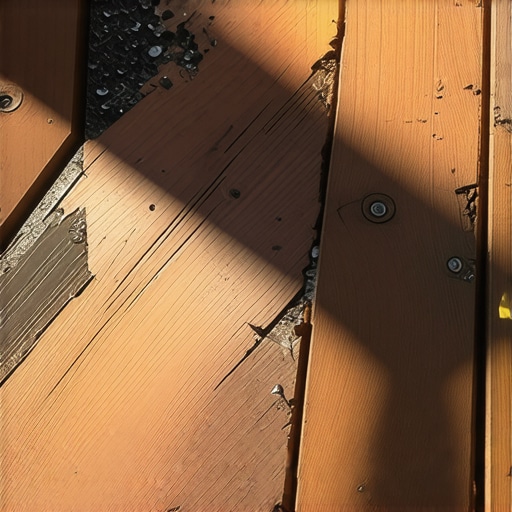
I’ll never forget the moment I scrubbed my beautiful composite deck with household bleach, thinking I was doing a good deed. The next morning, I was greeted by a dull, faded patch that looked worse than before. My heart sank. It was a lightbulb moment—learning the hard way that bleach is a big no-no for capped composite boards. If you’ve faced similar frustrations, you’re not alone, and today I want to share what I’ve discovered about maintaining your outdoor surfaces without risking damage.
Why Using Bleach on Your Composite Boards Is a Mistake
Composite decking has transformed outdoor living, offering low-maintenance beauty that lasts for years. But many homeowners still cling to old cleaning habits, like using bleach, unaware of the harm it can cause. Bleach can strip away the protective cap layer, leading to discoloration, fading, and even surface degradation over time. According to experts, the resin and surface coating designed for these boards are sensitive to harsh chemicals, which can compromise their integrity and void warranty coverage. Once I understood this, I realized my mistake and learned that there are safer, more effective ways to keep my deck looking fresh.
Is Bleach Truly Worth the Risk?
Early in my decking journey, I made the error of applying bleach to remove stubborn stains, thinking it would brighten my surface. The result? Instead of a clean look, I got a patchy, uneven finish that made the deck look worse. This experience taught me a valuable lesson about respecting the material’s boundaries. If you’ve ever wondered whether that bleach bottle is your friend or foe, consider that alternative cleaning methods not only preserve your boards’ appearance but also extend their lifespan.
So, what’s the right way to care for your composite decking? We’ll explore that next and ensure your outdoor space remains stunning and safe for years to come. Curious about how to enhance your space without risking damage? Check out stair and transition designs for sleek, durable options that blend style with safety.
Prep Your Surface with Gentle Cleaning
Start by sweeping away loose debris with a stiff-bristled broom, much like clearing dust off a painting before cleaning. Then, mix a solution of warm water and a pH-neutral composite deck cleaner, avoiding harsh chemicals like bleach that can damage the surface. I once tried using a generic outdoor cleaner without reading the label, which resulted in streaks; now I always double-check. Apply the cleaner with a soft-bristle scrub brush, working in small sections to prevent streaking or residue buildup. Rinse thoroughly with a garden hose, ensuring no cleaner remains that could interfere with the finish or surface integrity.
Target Stubborn Stains Correctly
Use a specialized composite deck stain remover for tough spots such as grease or mold. I remember tackling a dark mildew patch on my deck; I gently applied a mixture of vinegar and water, letting it sit for 10 minutes before scrubbing lightly. For more resistant stains, consider a non-abrasive cleaner formulated for composite surfaces, following the manufacturer’s instructions precisely. Avoid scrubbing with steel wool or abrasive pads, which can scratch the surface and create entry points for moisture or mold. Always rinse thoroughly afterward to remove any residues, which helps maintain the surface’s natural look and durability.
Seal and Protect with Proper Coatings
After cleaning, it’s wise to apply a protective sealant designed specifically for capped composite decking. Think of it as giving your deck a SPF to ward off UV damage and fading over time. Choose a water-based, breathable sealer that penetrates the surface without creating a slick or slippery layer. Before application, test the sealer on a small, inconspicuous area to gauge compatibility. Use a roller or sponge brush for even coverage, working along the grain if visible, to prevent streaks or pooling. I learned this the hard way when applying a sealer too thickly, leading to uneven color patches. Multiple thin coats are better than one thick application, and always follow the manufacturer’s drying time instructions.
Maintain Regularly to Prevent Damage
Establish a routine to sweep and wash the deck every few months, particularly after harsh weather. Like any outdoor feature, consistent upkeep extends its lifespan. Trim nearby foliage to prevent mold spores and algae from settling on the surface—overgrown greenery can act like a damp blanket, encouraging mildew. Remove leaves and organic debris promptly to prevent staining or moisture retention. If you notice any loose or damaged boards, address them swiftly to prevent further deterioration. Using a gentle hose pressure can help dislodge stubborn dirt without risking surface damage, especially when compared to high-pressure washers that can erode the coating. Incorporating these simple practices will keep your deck looking fresh and functional, avoiding costly repairs down the line.
Safety Tips for Stairs and Transitions
When maintaining your staircase area, ensure that treads are clean, dry, and free of slippery residues. Consider adding slip-resistant strips or treatments, especially if your stairs are exposed to rain or dew. Proper lighting is crucial; install low-voltage landscape lights or step lights to enhance safety during evening use. For a seamless look that also boosts safety, explore stairs and transition designs that marry function with aesthetics. I once overlooked lighting on my new staircase and nearly missed a step; installing small, waterproof LEDs transformed the space into a safe pathway after dark. Always check the integrity of stair stringers and handrails periodically, repairing any looseness immediately to prevent accidents.While many homeowners believe that sticking to traditional materials and methods ensures durability and aesthetic appeal, modern advancements reveal nuanced insights that can significantly impact your outdoor projects. One widespread misconception is that installing a standard wooden railing suffices for safety and style, but integrating steel brackets and secure fastening techniques—like those highlighted in expert guides—can dramatically increase stability and longevity (see why pros prefer steel brackets). Additionally, the myth that composite decking is inherently slippery in summer heat often leads to unnecessary replacement; however, surface treatments and selecting textured boards can mitigate this issue effectively. An advanced mistake many overlook involves stair riser design: using inconsistent riser heights or inadequate treads not only compromises safety but also violates building codes, emphasizing the need for precise calculations and adherence to standards (stair design essentials). Furthermore, some believe that all composite boards warp equally under sun exposure, but recent studies show that high-quality capped composites with advanced UV inhibitors resist warping better over time (latest composite trends). Beware the trap of assuming that DIY techniques suffice for complex structural elements; consulting professional deck builders and referencing updated industry standards can prevent costly errors. Maintaining awareness of these nuanced factors ensures your outdoor living space remains safe, beautiful, and durable for years to come. Have you ever fallen into this trap? Let me know in the comments.
Maintaining a durable, beautiful outdoor living space requires not just good habits but also the right tools. Over the years, I’ve refined my toolkit to include equipment and methods that ensure longevity and safety for decks, stairs, and composite surfaces. For example, I rely on a high-quality cordless pressure washer that delivers controlled flow without risking surface damage, unlike traditional models with high PSI settings. The Giraffe Tools EZ Wash has been a game-changer for me—its adjustable nozzle allows precise cleaning, essential for the delicate surface of composite decking.
Next, I always keep a set of corrosion-resistant stainless-steel screws and fasteners, especially when working in coastal environments. These resist rust and maintain their structural integrity over time, and I prefer the deck screws from Simpson Strong-Tie for their proven strength. To monitor moisture levels—and prevent hidden issues—I use a digital moisture meter before sealing or applying new finishes. Accurate readings help me decide when to act, preventing moisture intrusion that can rot even the toughest materials.
Applying sealants or protective coatings is equally important. I recommend a high-quality sprayer like the Wagner Control Spray Max, which ensures even application and saves time. Proper preparation involves cleaning with a neutral pH cleaner, allowing me to avoid damage, a step I always emphasize to clients. Wait times and multiple light coats, as recommended by manufacturers, maximize performance and durability.
Looking ahead, I predict that the trend toward smart maintenance—integrating sensors or IoT devices—will grow. Imagine receiving alerts on your smartphone when moisture thresholds or surface temperatures indicate potential issues, allowing for proactive care rather than reactive repairs. This approach aligns with ongoing innovations, like moisture sensors embedded in composite decks, which are being developed by industry leaders in 2025.
How do I keep outdoor structures functioning seamlessly?
Regular inspections are key. I schedule bi-annual checkups for all critical elements, including joists, fasteners, and sealants. Using a calibrated torque wrench helps me ensure screws are tightened to specifications, preventing loose components that can cause safety hazards or structural issues. When designing stairs, I utilize expertise from articles like this resource on stair safety to guarantee compliance and reliability. Incorporating these tools and methods into your maintenance routine will extend your outdoor surface’s lifespan and keep your living space inviting for years to come. For recommendation on best practices and trusted suppliers, don’t hesitate to contact me through my consultation page.”}}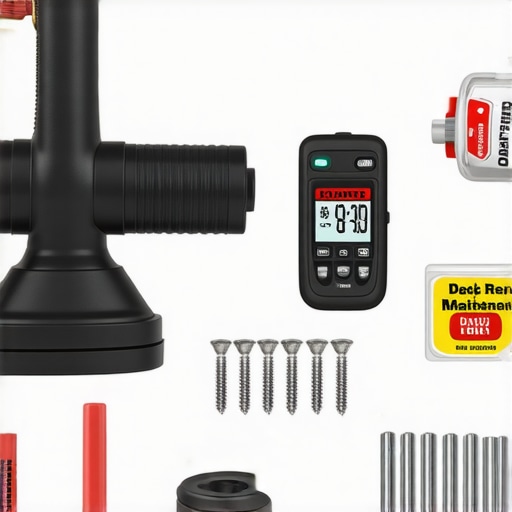
The Hardest Lesson I Learned About outdoor living,deck builder,stairs,composite decking
One of my most profound realizations came after a failed attempt to restore my deck using aggressive chemicals. It taught me that patience and understanding your materials are crucial for lasting beauty. Recognizing the unique properties of composite decking and respecting their surface coatings has saved me from costly repairs and kept my outdoor space vibrant.
3 Myths About outdoor living,deck builder,stairs,composite decking That Held Me Back
I used to believe that all cleaning agents are created equal, that sealing was unnecessary, and that DIY could replace professional inspections. Debunking these myths opened my eyes to proper maintenance practices, emphasizing that tailored solutions and expert advice prolongs surface durability and safety.
What Experts Won’t Tell You About outdoor living,deck builder,stairs,composite decking
Many industry insiders keep quiet about the subtle impacts of UV exposure and the importance of precise joist spacing. Learning these insider secrets has empowered me to design and care for my outdoor spaces more effectively, avoiding common pitfalls and achieving a pristine, safe environment.
My Essential Toolkit for outdoor living,deck builder,stairs,composite decking
From a high-quality pressure washer to corrosion-resistant fasteners, my toolkit has evolved to include trusted tools like the Giraffe Tools EZ Wash and Simpson Strong-Tie screws. These tools make maintenance efficient and ensure my deck remains sturdy and beautiful over time.
Where to Go from Here
If you’re eager to deepen your knowledge, exploring resources like stair and transition design guides can help you create seamless, durable outdoor features. Remember, continuous learning and proper maintenance are the keys to transforming your outdoor area into a private oasis that lasts for years.
Your Turn to Try
Now that you’ve uncovered some of the hidden lessons and expert tips, what small change will you implement in your outdoor living setup today? Share your plans below—your experience might inspire others to elevate their outdoor spaces with confidence.
**Do you have a favorite tip or trick for maintaining composite decking that hasn’t been discussed? Let me know in the comments!**
Comments are closed.