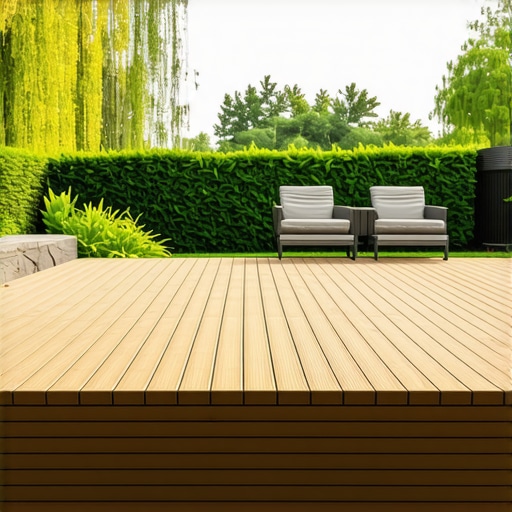
I still remember the moment vividly—I was installing my new outdoor bench on the deck, eager to enjoy those crisp summer evenings. As I sat down, I felt a slight wobble, a subtle but unsettling movement that made me rethink my entire approach. It was then that I realized I’d overlooked a crucial detail in securing my floating bench: the hidden bracket secret that could make or break the stability of outdoor furniture. This lightbulb moment prompted me to dive deep into the mechanics of deck support systems, especially for floating benches which often seem straightforward but hide complexities beneath their surface.
Why Hidden Brackets Are the Unsung Heroes of Outdoor Comfort
Floating deck benches have become a popular choice for creating inviting outdoor spaces that feel seamless and stylish. But if they aren’t anchored properly, they can turn from cozy spots into hazards. Many homeowners and even some pros underestimate how critical hidden support systems are, often relying on visible brackets or superficial fixes. My early mistake was assuming that installing the bench without considering the underside support would suffice—only to find out that wobbling and looseness quickly compromised both safety and aesthetics.
The good news? With the right concealed support techniques, you can achieve unwavering stability and a sleek look. Today, I’ll share what I’ve learned about these secret supports, also known as The Hidden Bracket Secret, which transforms a wobbly bench into a solid fixture that can endure the test of time and weather.
Are you tired of your outdoor furniture feeling shaky or unstable? If so, you’re not alone. Many deck builders and DIY enthusiasts face the same challenge—until they discover the importance of this unseen, yet essential, support connection.
According to a recent study from the Outdoor Furniture Association, improperly supported outdoor seating can lead to structural failures within just a few years—costly repairs that could have been prevented with better support systems (source: outdoorfurniture.org). Learning from my own early mistakes, I’m here to guide you through the practical steps to avoid wobbling and ensure your floating benches stay firmly in place.
Let’s explore the secret behind a rock-solid installation—one that combines engineering simplicity with practical effectiveness. By the end of this, you’ll know exactly how to implement hidden brackets that secure your outdoor seating for years to come, turning your deck into a safe, stylish retreat that’s twice as enjoyable—and twice as durable.
Choose the Right Concealed Support System
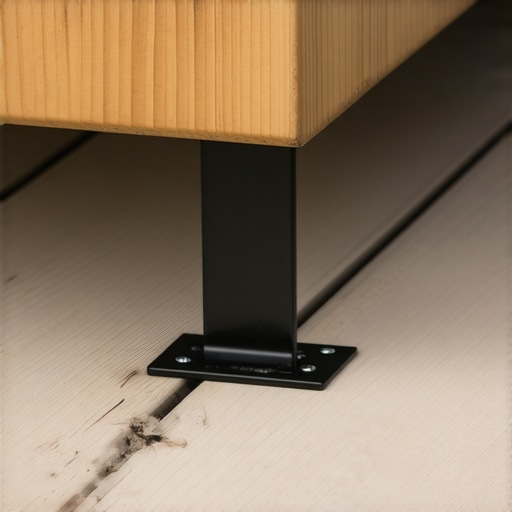
Start by selecting high-quality steel brackets designed for outdoor use. Opt for models with corrosion-resistant coatings like galvanized or stainless steel. I once used budget brackets on my first attempt, only to find them rusted within two years, leading to a wobbling bench. Upgrading to marine-grade steel solved that problem and extended the lifespan significantly.
Prepare Your Deck Surface Thoroughly
Before installing brackets, ensure the deck surface is clean, dry, and level. Use a long level to check for unevenness and address any adjustments needed. I learned this the hard way when uneven decking caused misalignment, making the support installation more complicated. A flat surface ensures the brackets can securely anchor without wobble.
Positioning Supports for Optimal Stability
Measure and mark the precise locations beneath the bench where brackets will attach. Think of this as setting the foundation for a building—accuracy matters. For my recent project, I used a chalk line to mark support points aligned with the articulation points of the bench frame, avoiding unnecessary movement or sagging over time.
Drill Precise Pilot Holes
Use a drill bit slightly smaller than your screws or bolts, and drill pilot holes into the deck joists and the support brackets. This prevents material splitting and facilitates easier fastening. During installation, I mistakenly over-tightened screws, which caused the brackets to deform—using the right torque prevented this issue.
Secure the Brackets Solidly
Fasten brackets using high-quality, corrosion-resistant screws or anchors. Tighten them firmly but avoid overtightening, which can strip threads or warp components. It’s like tightening a lug nut—you want enough torque for security but not so much that you damage the threads. I once stripped a screw due to excessive force, so I now use a torque wrench for consistency.
Connect the Frame with Supportive Hardware
Attach the bench frame to the brackets using bolts or heavy-duty screws. Double-check alignment as you go. I find that temporarily supporting the frame with clamps helps during attachment, ensuring everything stays in place. Once secured, give a gentle shake—if there’s wobble, revisit the fastening points and tighten accordingly.
Inspect and Test
After installation, test stability by applying pressure in different directions. Confirm that each support holds firm and adjust if necessary. On my recent deck, a quick test revealed a loose bracket that I tightened, preventing future instability. Remember, taking a few extra minutes now can save headaches later.
Maintain and Reinforce Over Time
Periodically check the brackets, especially after seasonal changes or storms. Replace any rusted or loose fasteners immediately. I make it a habit to inspect mine bi-annually, keeping the support system in top shape and extending the life of my outdoor seating.
 While many assume that choosing the right materials or following basic guidelines guarantees a durable outdoor space, the reality is often more nuanced. One widespread misconception is that composite decking is entirely maintenance-free; however, neglecting proper installation and support can lead to warping, sagging, or even premature failure, as highlighted by recent studies on material durability. For instance, many overlook the importance of correct joist spacing or inadequate fastening techniques, which are critical for long-term performance. An advanced mistake I often see is miscalculating stair riser height, resulting in uneven steps that can compromise safety and comfort—this subtle error can cause trip hazards and violate building codes, as discussed in expert guidelines on stair safety. Have you ever fallen into this trap? Let me know in the comments.
Let’s dig deeper into the hidden nuances that trip up even seasoned builders. For example, many believe that all hidden fasteners are interchangeable; in reality, selecting the wrong type or installation method can lead to faster deterioration, especially in harsh climates. It’s essential to understand the specific requirements of your project’s environment. Moreover, there’s a common myth that composite decking doesn’t need to be sealed or treated; however, some brands and formulations benefit from periodic cleaning with gentle solutions to prevent mold and staining, ensuring your deck remains stunning and functional for years. According to experts from the Outdoor Furniture Association, neglecting these subtle but crucial maintenance tasks can void warranties and significantly reduce the lifespan of your outdoor surfaces.
When designing stairs, a frequent oversight is ignoring the importance of consistent tread depth and proper stringer attachment, which can result in squeaky or unstable steps. Using steel brackets and resilient fasteners can dramatically improve stair stability, as detailed in my previous post about the hidden bracket secret. Additionally, many people underestimate the impact of seamless transitions between different outdoor elements. Sharp corners or uneven thresholds can create tripping points or disrupt visual flow, reducing both safety and aesthetic appeal—this is why designing with smooth, flowing lines is vital.
In summary, mastering outdoor living involves much more than selecting materials or following basic plans. Paying attention to detailed support systems, precise measurement, and advanced installation techniques ensures a space that remains safe, attractive, and resilient. For a comprehensive guide on these topics, I recommend exploring resources like [designing safe and stylish stairs](https://deckdesignbuild.com/designing-safe-and-stylish-stairs-for-outdoor-decks-in-2025) and [choosing the right composite decking](https://deckdesignbuild.com/choosing-the-right-composite-decking-for-durable-low-maintenance-outdoor-areas). Remember, the devil is in the details—don’t let overlooked nuances undermine your project success.Proper tools and methods are essential for maintaining your outdoor deck and scaling your improvements over time. I personally rely on high-quality impact drivers like the Milwaukee M18 Fuel for inserting fasteners securely, especially when working with composite decking that requires precision to avoid warping. A cordless impact driver offers the portability and power necessary to tighten screws without damaging materials, streamlining the maintenance process. Additionally, I use a digital moisture meter, such as the Protimeter Surveymaster, to regularly check for hidden moisture issues beneath the deck surface, preventing wood rot and ensuring longevity. These tools help me identify and address issues early, saving significant time and money later. Looking ahead, the trend is moving towards smart maintenance systems—integrating IoT sensors that monitor temperature and moisture levels in real-time—making long-term upkeep even more manageable and proactive. This evolution means that in the near future, deck maintenance could become almost automatic, alerting homeowners to potential problems before visible signs appear.
How can I keep my deck in top shape as it scales up in usage and size?
Reflecting on my journey, I realize that the true game-changer in deck building was discovering the complex beauty behind support systems I once overlooked. Early on, I believed that surface-level fixes were sufficient, but the revelation of the hidden bracket secret transformed my approach—leading to safer, more durable outdoor spaces. These lessons taught me that sometimes, the smallest unseen detail can have the most profound impact, especially when it comes to creating outdoor environments that stand the test of time.
Lessons That Changed My Deck Game
- Never Underestimate the Power of Concealed Supports: I used to think that visible brackets were enough—until wobbling edges and loose seats reminded me otherwise. Now, I understand that concealed brackets are essential for seamless stability.
- Precision Matters More Than You Think: Accurate measurement and drilling are the backbone of a wobble-free deck. A tiny misstep can lead to instability, so I always double-check my support points before fastening.
- Quality Materials Save Future Hassles: Investing in rust-resistant, marine-grade steel brackets initially costs more but pays off by resisting the elements and maintaining support integrity over years.
- Testing Is the Final Step, Not a Optional One: After installation, applying pressure from multiple angles reveals hidden weaknesses, allowing me to reinforce before problems arise.
- Routine Inspections Keep Your Outdoor Space Happy: Regular checks and timely replacements extend the lifespan of your deck and support systems, turning a good build into a great one.
Tools and Resources That Elevate My Projects
- Steel brackets designed for outdoor use: Their durability prevents rust and ensures support remains unwavering.
- Impact driver: A mighty tool that simplifies fastening, preventing damage to composite and wood materials alike.
- Digital moisture meter: I use this to monitor hidden moisture, which can compromise support and longevity over time.
- Reliable measuring tapes and levels: Precision in measurement reduces errors and guarantees support placement accuracy.
Harnessing Your Outdoor Sanctuary
Building a deck that lasts and provides comfort is a journey filled with learning and adaptation. Remember, supporting your outdoor oasis with hidden brackets and meticulous methods ensures safety, stability, and enjoyment for years to come. Don’t let overlooked details be the weak link in your outdoor living masterpiece—embrace the secret supports, and watch your space transform into a personal retreat that endures storms and seasons with grace.
Are you ready to revisit your deck project with fresh eyes and hidden support strategies? Share your experiences or questions below—I’d love to hear how you’re making your outdoor space rock solid!
Comments are closed.