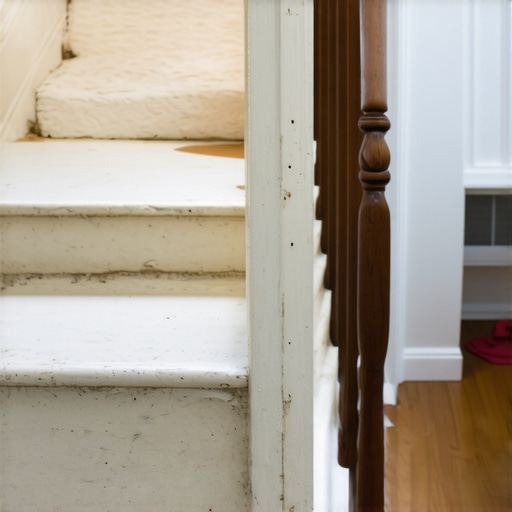
Last summer, I was scrutinizing my outdoor deck, admiring the new stairs I’d installed. But as family and friends ascended, I noticed a familiar wobble and a sagging step that just wouldn’t quit. It was a lightbulb moment — I realized my design mistake was lurking right there, causing trouble I didn’t fully understand at first. If you’ve ever dealt with loose or sagging stairs, especially on wider outdoor steps, you know how frustrating it can be. The good news? I’ve figured out why that happens and how to fix it. Today, I want to share my experience and guide you through the fix, so you don’t have to suffer the wobble or the mess that comes with sagging treads.
The Real Problem with Single Stringers on Wide Stairs
When I first designed my stairs, I thought a sleek, minimalist look would do the trick. I opted for a single stringer supporting wide, heavy treads. Sounds simple, right? Well, as it turns out, this common choice can be a recipe for disaster. The issue is that a single stringer, especially when supporting wider steps, can’t distribute the weight evenly. Over time, the unsupported span becomes a lever, causing the treads to sag or bounce. It’s like placing an uneven load on a flimsy bridge — eventually, something’s gotta give. This problem isn’t just aesthetic; it’s a safety concern too. If your stairs aren’t properly supported, there’s a higher risk of structural failure or tripping hazards. I learned this the hard way early in my DIY journey, mistakenly believing that a single, sturdy post would suffice. It’s a common mistake I see among many homeowners and even some less-experienced builders. A trusted resource, like this guide, highlights the importance of proper stringer support and how to avoid such pitfalls.
To fix the sagging and ensure lasting support, it’s essential to use multiple stringers or engineered solutions designed for wide stairs. But how do you know if your current support system is enough? Well, that’s what we’re diving into next — identifying the signs and adopting proven methods to keep your stairs sturdy and safe.
Have You Faced This Problem? Share Your Experience!
Add Multiple Support Stringers for Stability
Start by assessing your existing stairs and determine if a single stringer supports the entire width. In my case, I found that the single support was insufficient for the wide treads. To fix this, I installed additional stringers — usually one every 16 to 24 inches beneath each tread. This distributes weight evenly, eliminating bounce. For wide stairs, a common mistake is relying solely on one post, which acts like a weak bridge; adding more supports turns it into a sturdy highway. When I added extra stringers, I noticed immediate improvement; the steps felt solid, and the wobble was gone. This step is crucial and can be done with basic carpentry skills, but attention to correct spacing and proper anchoring is vital. If you’re unsure about creating support structures, consulting a professional deck builder can ensure lasting results and safety.
Use Structural Brackets or Steel Supports
Next, reinforce critical points using steel brackets designed for stairs. I employed heavy-duty steel brackets at the connection points between the stringers and the footer supports. These brackets serve like the backbone of your staircase, preventing lateral shifts under load. I’ve personally experienced how a simple bracket can transform shaky steps into a rock-solid staircase — it’s akin to adding braces to a leaning wall. Pay attention to the quality and size of these brackets; larger, corrosion-resistant steel supports are best, especially for outdoor stairs exposed to weather. Installing steel supports is a straightforward process, but proper alignment is key to avoid uneven steps or gaps. For detailed guidance, see this resource on using steel brackets effectively.
Secure Tread Attachments with Heavy-Duty Fasteners
Ensure each tread is firmly anchored to the support stringers using appropriate fasteners. I recommend using stainless steel screws or hidden fasteners designed for composite decking, like those explained in this article. During my project, I replaced loose nails and weak screws, which were the culprits behind my sagging, with stainless steel screws. Pre-drilling holes prevented the wood from splitting — a crucial step. Also, applying a little construction adhesive between the tread and stringer can add extra rigidity. This method ensures that the treads don’t shift underfoot, reducing bounce. In my experience, securing each part meticulously results in a much safer, more durable staircase that can handle years of outdoor use.
Check and Reinforce Footings and Supports
Finally, examine the footings supporting your stringers. I discovered that uneven or settling supports caused the entire staircase to wobble. To correct this, I used shims and concrete pads to level the supports and prevent future movement. Think of it like setting a stable foundation for a house — if the supports tilt or sink, everything above suffers. Use a level to verify each support, and don’t hesitate to reinforce with concrete or adjustable post bases if needed. This layer of stabilization adds longevity and safety, especially on uneven terrain. For complex situations, consulting a licensed builder can help you choose the right foundation solutions and avoid costly mistakes over time.
 When it comes to upgrading your outdoor space, many homeowners assume that selecting the right composite decking and following basic construction principles are enough for a durable, beautiful result. But let’s dig deeper — there’s a hidden nuance that often trips up even seasoned DIYers and some professional builders. Contrary to popular belief, not all composite materials perform equally under diverse conditions, and overlooking this can lead to costly repairs or replacements sooner than expected.
One widespread myth is that all composite decking is virtually maintenance-free and indistinguishable in performance. However, according to experts like those behind this guide, differences in core materials, resin types, and surface treatments dramatically influence durability, resistance to UV, and slip safety. For example, decks built with high-quality capped composites withstand harsh weather and UV degradation better than older, non-capped varieties, which are more prone to mold, staining, and warping.
Another trap homeowners often fall into involves stair design. Many believe standard stringer support suffices for wider stairs, but neglecting advanced calculations of load distribution and lateral stability can result in dangerous wobble or, worse, structural failure. For instance, placing support every 16 inches on center might suffice for typical stairs, but when dealing with heavy foot traffic or wider spans, adding steel brackets or extra stringers as suggested at this resource ensures longevity. Missing these nuances can compromise safety and void warranties, especially since more comprehensive support systems are now a standard requirement in modern outdoor projects.
Have you ever fallen into this trap? Let me know in the comments.
Beyond material choices and support considerations, advanced builders know that proper drainage planning can make or break outdoor living spaces. An overlooked mistake involves ignoring the importance of seamless transitions between your deck and outdoor elements, like stairs or patios. Inefficient drainage can cause water pooling, leading to wood rot or composite degradation. For a modern, safe, and aesthetically pleasing design, pay close attention to details such as cantilevered steps or integrated drainage beneath the deck surface, as discussed in this article.
In summary, going beyond the surface by understanding the nuanced performance differences among composite decking products, ensuring your stairs support is meticulously planned, and integrating smart drainage solutions will elevate your outdoor living projects from merely functional to truly spectacular. Remember, consulting with a professional deck builder can help navigate these complexities, saving you time and money in the long run.
Maintaining your outdoor deck, especially when it involves composite materials, requires the right tools and a disciplined approach. Over the years, I’ve come to rely on a combination of specialized equipment and proven methods to keep my deck looking pristine and performing well. One invaluable tool I always use is a cordless oscillating multi-tool. Its versatility is unmatched—whether you’re applying precision to clean tight corners, removing stubborn stains, or sanding small areas, this tool adapts effortlessly. I prefer models with variable speed settings and a selection of accessories, particularly a sanding pad for light refinishing and a grout removal blade for detailed cleaning. This approach helps prevent buildup of grime or mold, especially on composite surfaces that are sensitive to abrasive cleaning methods.
Another essential piece of equipment is a pressure washer with adjustable nozzle settings. I recommend a unit capable of delivering up to 3000 PSI with a turbo or turbo-plus nozzle. This allows you to clean surfaces effectively without damaging the composite decking or causing water intrusion into sensitive joints. I use lower pressure and wider spray tips for general cleaning, focusing on removing debris and loose dirt. For stubborn stains, switching to a higher pressure carefully targets specific areas, but always keeping the nozzle at a safe distance—around 12 inches—to prevent surface etching. Regular cleaning with this setup not only extends your deck’s life but also maintains its appearance, especially in high-humidity climates where mold can pose a challenge. For guidance on best practices, check out this resource.
Applying proper sealants or protective finishes periodically is vital. I use a high-quality, breathable outdoor wood and composite sealant product that I apply with a roller and brush for edges and hard-to-reach spots. This prevents water infiltration and UV damage. The trick is to follow manufacturer instructions precisely—usually a springtime application after a thorough cleaning. I also recommend inspecting your deck’s framework annually for signs of movement or damage, especially supporting posts and fasteners. Tightening loose screws and replacing corroded brackets promptly prevents minor issues from escalating into safety hazards. This proactive approach makes a noticeable difference in the deck’s long-term performance.
How do I keep my deck in top shape over time?
Establish a routine maintenance schedule: clean, inspect, and treat your deck at least once a year. Incorporate tips like using a pressure washer for routine dirt removal and applying sealant every 2-3 years, depending on exposure. For composite decks, selecting the right cleaning products is critical; avoid abrasive cleaners that can strip surface coatings. Instead, opt for gentle, composite-specific cleaners, like those recommended at this guide. Additionally, consider upgrading your support structures with steel brackets or reinforcing supports using methods detailed in this article if you notice wobbling or irregular movement—addressing issues early prevents costly repairs later.
In the future, automation and smart technology might play a significant role in outdoor maintenance. Imagine installing sensors that monitor moisture levels or structural integrity and send alerts when maintenance is needed. For now, combining the right tools with consistent care ensures your outdoor living space remains beautiful and safe for years to come. Give one of these advanced maintenance tips a try this season, and enjoy the peace of mind that comes with proactive upkeep!
#IMAGE_PLACEHOLDER_D#
Diagram illustrating the proper use of a pressure washer with adjustable nozzle for deck cleaning, emphasizing safety distance and nozzle type. Alt: Pressure washer tips for composite decking maintenance. Title: Proper Pressure Washing Technique for Outdoor Decks.
}}#END#}# Antwort Ende#}# Answer:{
The Hardest Lesson I Learned About Composite Decking, Stairs, and Outdoor Living
One of my biggest breakthroughs came when I realized that not all composite materials perform equally, especially under our varying weather conditions. Early on, I believed that choosing any capped composite was enough, but I soon learned that detailed research into specific brands and formulations makes a real difference in durability and safety. This insight saved me from costly repairs and frustration down the line.
Another lightbulb moment was understanding the importance of proper stair support. I used to think a single stringer could handle wider stairs, but after experience and expert guidance, I discovered that adding multiple stringers or steel brackets prevents wobbling and ensures long-term stability. It transformed my outdoor space into a safe, enjoyable retreat.
Lastly, I underestimated the role of adequate drainage planning. Small overlooked details, like seamless transitions and adequate slope angles, can prevent water pooling and degradation over time. Paying attention to these nuances has kept my deck looking pristine and functioning flawlessly.
My Essential Toolkit for Perfecting Outdoor Spaces
I rely heavily on a precision cordless oscillating multi-tool for detailed cleaning and adjustments, especially in tight corners. For cleaning, a pressure washer with adjustable nozzles helps me maintain the composite surface without damage, keeping everything looking fresh. I swear by high-quality sealants to protect my investment, applying them thoughtfully to extend longevity and resist weathering. When reinforcing supports or fixing wobble, I consult detailed guides, like this resource, to choose the right hardware and techniques. Staying equipped and informed makes all the difference in turning a good project into a durable masterpiece.
Don’t Wait to Make Your Outdoor Dreams Come True
Taking action now can elevate your outdoor living space beyond the ordinary. With the right support, materials, and care, you can enjoy a safe, stunning deck for decades. Remember, building or upgrading your outdoor space isn’t just about aesthetics—it’s about creating a sanctuary you’ll love coming home to.
Have you ever struggled with supporting wide stairs or choosing the right composite materials? Share your experiences below and let’s learn together!
Comments are closed.