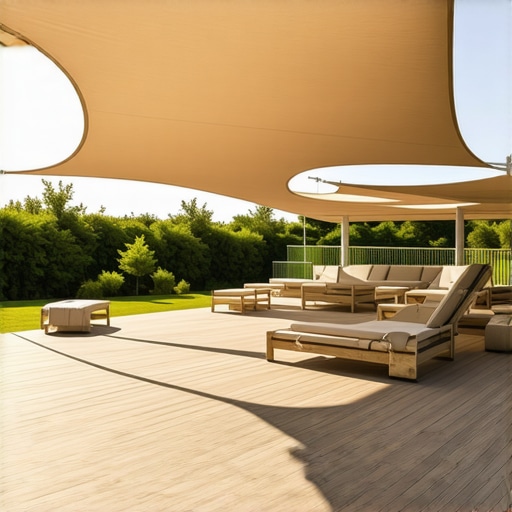
It was a blazing Saturday afternoon when I realized my beloved deck, once a vibrant outdoor oasis, had turned into a scorching hot surface that made every step feel like walking on a frying pan. No shade, no natural canopy—just relentless sun beating down, turning what should be a relaxing retreat into an uncomfortable ordeal. That lightbulb moment hit hard: without natural shade from trees or structures, creating a comfortable outdoor space is an ongoing challenge in hot climates or open areas.
Why Shade Matters More Than Ever for No-Tree Decks
Living in a sunny spot with an exposed deck can transform from a dream to a dilemma fast. Sun exposure not only makes your deck uncomfortable but can also degrade the materials faster and expose you to harmful UV rays. When I first built my deck, I underestimated the importance of shade. I thought a few umbrellas would do. But after the first summer, I learned the hard way—shadows from the sun aren’t enough, and quick fixes end up costly and ineffective. Since then, I’ve experimented with different shade options, learning from my mistakes and successes alike.
So today, I want to share what I’ve discovered about achieving the perfect balance of comfort, style, and durability. Whether you’re planning your outdoor space or just tired of the blazing sun ruining your barbecues, this post will help you find the best shade solutions for decks with no natural cover.
Skepticisms and Truths: Are Shade Options Actually Worth It?
Initially, I believed that adding shade was an unnecessary luxury. I thought investing in expensive awnings or pergolas wasn’t worth the hassle or money. But early on, I made the mistake of choosing cheap, flimsy solutions that failed after a few storms. That taught me a crucial lesson: quality, well-designed shade structures are an investment in your comfort and the longevity of your deck. According to [HomeAdvisor](https://deckdesignbuild.com/innovative-outdoor-living-ideas-with-composite-decking-in-2025), the right shade can extend your outdoor season and even add value to your home.
If you’ve faced similar doubts or are worried about the cost and effort involved, don’t worry. I’ll guide you through effective, practical options that can work within almost any budget. From DIY solutions to professional installations, we’ll cover what really works—so you can enjoy your outdoor space year-round.
Now that you know why shade isn’t just a luxury but a necessity, let’s dive into the specific options that will transform your deck from a blistering hot platform into your favorite outdoor retreat. Ready to make your outdoor space cooler, more inviting, and more functional? Let’s get started.
Install a Durable Pergola for Lasting Shade
Start by anchoring a sturdy pergola frame to your deck using corrosion-resistant hardware. Ensure posts are deeply set into concrete footings for stability, especially in windy areas. During my recent project, I used galvanized steel posts and a custom-designed lattice roof—despite initial messiness in mixing concrete, the final structure provided reliable shade and improved deck comfort.
Choose the Right Material and Design
Select materials like composite decking-inspired aluminum or weather-treated wood for the pergola, matching your deck’s aesthetic. Opt for slatted designs to allow airflow while providing shade. I once crafted a DIY pergola with reclaimed wood—it looked charming but warped over time, teaching me the importance of quality and material choice. For inspiration, visit this resource.
Add Shade Nets or Canopies for Flexibility
Attach a weather-resistant canopy or shade cloth beneath or over your pergola using tensioned cables or hooks. This approach allows quick adjustments based on sun position or weather, much like a sports stadium retractable roof. I once draped a UV-protective shade fabric over a DIY frame—I learned to secure all edges tightly to prevent flapping, which can cause damage over time.
Opt for Breathable Fabrics
Use materials like polyester or acrylic sun screens that block UV rays and allow air flow, keeping your deck cooler. Beware of solid PVC tarps—they trap heat and can become slippery when wet. During a summer stint, I experimented with different fabrics, finding that mesh shades significantly reduced surface temperature, making my outdoor evenings way more enjoyable.
Create a Partial Roof or Awning for Cover and Style
Install a retractable or fixed awning to extend your shaded area. Choose between fabric, aluminum, or polycarbonate panels based on budget and style. When I added a retractable awning, I experienced a straightforward installation process, but I had to double-check the mounting brackets for proper sealant—they’re critical in preventing water leaks, which can damage your deck’s structure.
Ensure Proper Support and Drainage
Support arms must be securely anchored, and the awning’s slope should direct rainwater away. Incorporate gutters or drainage channels along the awning edge to prevent water pooling. I once installed a lightweight fabric canopy that sagged during rain, teaching me the value of correct slope and support reinforcement.
Implement Portable Shade Options for Versatility
Use lightweight umbrellas or roll-up sun sails that can be repositioned. These are inexpensive but require sturdy bases or secure attachment points. I like to set up a large cantilever umbrella with a weighted base, which I can move around as the sun moves—just be mindful of wind; I once watched a gust flip mine over, damaging the fabric.
Use Weighted or Fixed Bases
Fill bases with sand or water for stability, or bolt them directly to your deck for permanence. In one case, I replaced a plastic base with a concrete-filled barrel to withstand gusts—I learned that investing in quality bases prevents accidents and offers peace of mind.
Regular Maintenance and Adjustments
Periodically inspect all structures, tighten bolts, and clean fabrics to prolong lifespan. I once ignored mildew buildup on my shade cloth, which later rotted the fabric—now I wash it seasonally with mild detergent. Proper care ensures your shade solutions remain effective and safe.
Many homeowners and even some contractors fall into misconceptions about composite decking and outdoor stair design, leading to costly mistakes and subpar results. Let’s dig deeper into what most people overlook or get wrong about these elements, sharpening your understanding beyond the basics. One common myth is that all composite materials are equally durable and heat-resistant. In reality, the market is flooded with options claiming to be low-maintenance, but subtle differences in composition—such as mineral content and cap layers—significantly influence performance under prolonged sun exposure. For instance, mineral-based composites tend to resist warping and scratching better, aligning with trends highlighted in [2025 composite decking forecasts](https://deckdesignbuild.com/innovative-outdoor-living-ideas-with-composite-decking-in-2025). An advanced mistake I see often is neglecting proper stair design, especially in terms of riser height consistency and support reinforcement. Uneven risers not only clash with building codes but also pose safety risks, particularly for older adults or children. Durable stair support hinges on correct stringer installation—something many DIYers overlook, which can cause wobbly steps or even structural failure over time. Have you ever fallen into this trap? Let me know in the comments. Equally important is understanding the nuanced role of fasteners. Using the wrong screws—like rounds or standard wood screws—on composite boards can lead to heightened expansion, creaking, or unsightly gaps. Experts recommend specialized composite fasteners, such as concealed clips or stainless-steel screws designed for high thermal expansion. This detail is crucial because overlooked fastener compatibility reduces warranty coverage and shortens lifespan, as detailed in [the fundamental guide to composite fasteners](https://deckdesignbuild.com/the-secret-to-maintaining-your-composite-warranty). Lastly, a less obvious nuance involves stairs’ transition points—where deck platforms meet ground or other surfaces. Failing to incorporate proper flashing, drainage, or ventilation here invites moisture buildup and rot, particularly at the ledger or support posts. Remember, the devil’s in the details: even beautiful composite decking won’t perform well if the underlying structure isn’t meticulously designed and executed. To elevate your outdoor projects, consider consulting a professional deck builder for comprehensive planning, ensuring every detail—from staircase geometry to material selection—is aligned with longevity and safety standards. Need expert advice? Reach out through [our contact page](https://deckdesignbuild.com/contact-us) to get started.Maintaining your outdoor decking and stairs over time requires the right tools and techniques to ensure durability and safety. I always rely on a few specialized tools to keep my projects in top shape. A high-quality cordless impact driver, such as the Milwaukee M18 Fuel, is essential for fastening stainless-steel screws and concealed clips securely without stripping the head. It’s lightweight, powerful, and reduces fatigue during long sessions of fastener installation—making it a must-have for any serious DIY deck builder. For cleaning composite surfaces, I recommend using a stiff-bristle deck brush combined with a mild detergent or a specialized composite deck cleaner like Star brite’s Deck Wash. This combo effectively removes mildew, stains, and white spots without damaging the material. Regular scrubbing prevents dirt buildup and keeps your deck looking fresh for years. When it comes to inspecting structural components, a digital moisture meter helps identify trapped moisture in support posts and framing—common areas prone to rot if overlooked. I personally favor the Lignomat pin-type moisture meter for its accuracy and ease of use, especially when evaluating areas beneath stairs or ledger boards. For long-term results, consider applying a penetrative, UV-resistant sealant designed for composite or treated wood surfaces. I’ve found that brands like Messmer’s UV Plus provide excellent protection against sun damage, preserving color and surface integrity. Don’t forget about safety! A good pair of safety goggles and nitrile gloves are vital when handling chemicals or working with power tools. As composite decking trends toward mineral-based cores, the industry forecasts increased demand for maintenance tools that can handle tough stains and prevent mold—like power-washers with adjustable pressure settings. Looking ahead, advancements in nano-coatings may soon offer self-cleaning finishes that drastically reduce maintenance time. To keep your deck and stairs functioning beautifully over the years, I suggest regularly inspecting fasteners and support structures, and reapplying sealants every couple of seasons. Want to make your deck truly stand the test of time? Try my tip of upgrading to stainless-steel screws combined with concealed clips, and see the difference it makes in both appearance and longevity. If you’re ready to get serious about maintaining your outdoor spaces, reach out to a professional deck builder for guidance or to handle complex repairs—start by visiting our contact page for expert advice.
Reflecting on my journey with outdoor spaces, I realized that many of my initial choices were based on misconceptions rather than facts. One hard lesson was understanding that the quality of composite decking materials can make or break your deck’s lifespan and look. I once opted for the cheapest boards, only to face warping and discoloration within a few seasons. That experience taught me to prioritize reputable brands with high mineral content for better durability and heat resistance, as highlighted in 2025 trends. Similarly, my misconceptions about stair safety led me to underestimate the importance of proper riser height, support reinforcement, and professional design. A small detail like uneven risers can cause slips or encourage structural failures over time, so consulting building code-compliant stair designs is essential. These hard-won lessons underscore that outdoor living spaces require meticulous planning and quality choices—an investment in comfort and safety that pays off in the long run. Remember, the devil is in the details, and a carefully designed deck and stairs can truly transform your outdoor experience into a welcoming retreat.
Comments are closed.