
I still remember that moment vividly—standing at the foot of my newly built deck, my heart sank. The stairs I had rushed through looked clunky, uneven, and anything but inviting. Instead of feeling like a gateway to outdoor paradise, it felt more like a neglected backdoor. That lightbulb moment hit me hard: if your outdoor stairs don’t wow, your entire space may fall flat.
Why First Impressions Count with Deck Stairs
Your deck stairs are more than just a functional element—they’re the welcoming bridge to your outdoor oasis. An impressive staircase can elevate your home’s curb appeal, create a sense of grandeur, and set the tone for the rest of your outdoor design. But designing stairs that feel like a grand entrance isn’t just about aesthetics; it’s about making a statement and ensuring safety too.
In my early days of deck building, I underestimated just how much thought goes into creating stairs that are both beautiful and practical. I learned the hard way that small details—like the rise and run, the choice of risers, or how the handrails integrate—can make or break the overall impression. Well-designed stairs can turn a simple backyard into an inviting space that feels both luxurious and welcoming.
Is It Really Worth Riveting Attention? The Skeptic’s Dilemma
I used to think that as long as the stairs were safe and functional, I didn’t need to focus on their style. However, early on, I made the mistake of choosing generic materials and ignoring scale, which resulted in stairs that looked out of place and felt cheap. According to a study by the National Association of Realtors, aesthetic appeal significantly impacts how much homeowners value their outdoor spaces—making a stylish staircase a smart investment (learn more here).
Select the Right Materials for Your Outdoor Stairs
Start by choosing durable, low-maintenance materials like composite decking. This material resists pests, moisture, and fading, making it ideal for outdoor stairs. I once used pressure-treated wood for a client’s stairs, but within two years, rot and warping forced a full replacement. Opting for composite boards, such as those discussed in this guide, ensures longevity and fewer headaches.
Measure and Plan for Safe, Accurate Stairs
Accurate Measurements Are Key
Using a tape measure, determine the total rise from the ground to your deck height. Divide this by the desired riser height, usually between 7 and 8 inches, to find the number of steps. For example, a 36-inch total rise divided by 7.5 inches gives you about five steps. In my latest project, skipping precise measurement led to uneven risers, which I corrected through detailed planning and double-checking. Accurate measurements prevent wobbly, unsafe stairs and contribute to a polished look.
Decide on Tread and Riser Dimensions
The tread depth should be a minimum of 10 inches for comfort, while risers generally stay within 7 to 8 inches. Consistency is crucial—each step must match the others exactly. I once built stairs with inconsistent riser heights, which caused tripping hazards and failed inspection. Double-check your measurements during framing to maintain uniformity, which helps in creating seamless transitions.
Construct the Stringers Carefully
Use a framing square or a stair gauge to mark stringers—these are the backbone of your stairs. The cutouts for the treads must match the planned depth, and the rise between cutouts should be uniform. I once miscut a stringer, leading to a crooked staircase—making me realize the importance of measuring twice before cutting once. Using a high-quality saw and a sturdy jig can ease this process, delivering cleaner cuts and safer stairs. Refer to this resource for detailed framing tips.
Attach and Secure the Stringers with Precision
Place the stringers on stable supports and double-check their alignment with a level. Attach them securely to the deck framing using galvanized steel brackets or ledger board connections—these prevent wobbling or separation over time. I once used thin nails, which quickly loosened in harsh weather; switching to structural brackets stabilized the stairs significantly. For added stability, install lateral supports if needed, especially for longer spans. For comprehensive installation practices, see this guide.
Build and Install Treads That Last
Cut your composite treads to size, ensuring the overhang (nosing) is consistent for visual appeal and safety. Secure them to the stringers with matching, corrosion-resistant screws—preferably stainless steel—to prevent loosening and squeaks. I once neglected pre-drilling, which caused splitting; now, I always pre-drill holes to avoid this common issue. Use 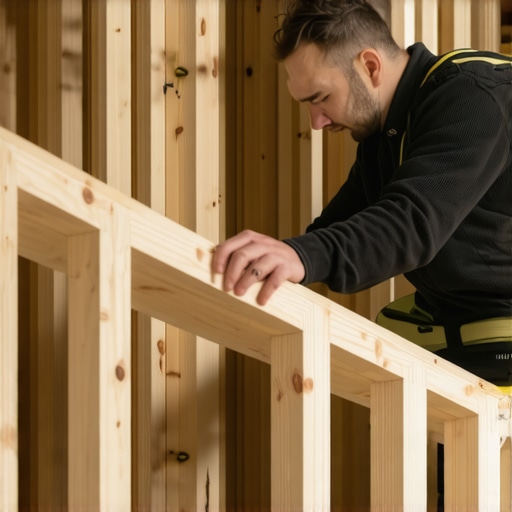 to visualize proper tread placement and screw positioning. Proper fastening and alignment not only enhance durability but also contribute to a sleek finished look.
Finish with Safety Features and Aesthetic Details
Install sturdy handrails and balusters, ensuring they meet local code requirements. Proper lighting, like step lights aligned with these innovative options, enhances safety while adding ambiance. Before finalizing, double-check all connections, and test the stability of each step. Remember, well-executed stairs do more than look great—they create safe and inviting outdoor transitions that enhance your entire deck experience.
Many homeowners and even seasoned DIYers share common misconceptions about composite decking and outdoor stairs that can lead to costly mistakes. While the industry often promotes a picture of easy installation and low maintenance, true expertise reveals a more nuanced understanding essential for lasting, high-end outdoor living spaces.
Myth Busting: The
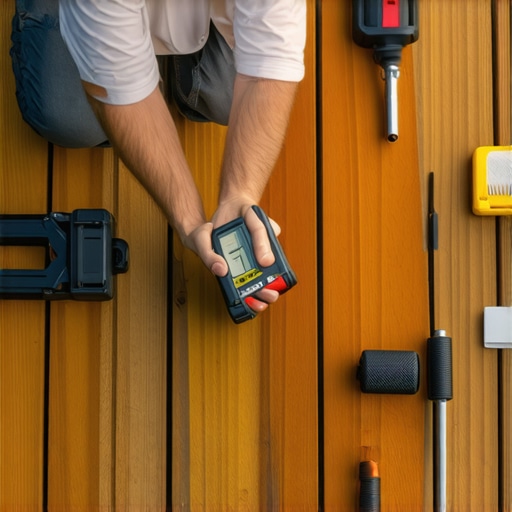
Maintaining a beautiful and durable deck requires more than routine inspections; it demands the right tools and a proactive approach. Over the years, I’ve honed my toolkit to ensure each project stands the test of time. One indispensable item in my arsenal is a high-quality cordless drill, preferably with adjustable torque settings. This allows precise fastening, especially when installing composite decking or securing stairs, reducing the risk of splitting or overdriving screws. Additionally, I swear by a detailed deck inspection mirror, which helps me identify hidden issues like minor rot or loose joists in hard-to-see areas, allowing for timely repairs before they escalate.
Another critical tool is a moisture meter, especially when working with composite materials. It helps me verify that wood frames are dry before installation, preventing future warping or mold growth. For cleaning, I rely on a soft-bristle brush attachment on my power washer to gently remove dirt and debris without damaging the surface. I also keep a set of stainless steel fasteners, resistant to corrosion, which are vital for long-term performance, especially in coastal environments. These tools are complemented by digital design software like SketchUp, which streamlines planning and helps visualize complex stair and railing configurations, reducing errors during construction.
Keeping your outdoor space functioning beautifully also means regular maintenance routines. I recommend performing annual inspections to check for loose fasteners, damaged boards, or signs of wear. Applying a protective sealant designed for composite decks every few years boosts longevity and keeps colors vibrant. Following these practices can significantly extend the life of your deck, ensuring it remains a centerpiece of outdoor enjoyment.
How Do I Maintain My Deck and Stairs Over Time?
Consistent cleaning, timely repairs, and staying updated on the latest industry materials and techniques are key to maintaining your outdoor living spaces. Investing in quality tools, like a moisture meter or a cordless drill with specialized bits, equips you to handle routine upkeep efficiently. As the trend shifts towards more sustainable and low-maintenance composite decking, staying informed and adopting innovative tools from industry leaders—such as the cutting-edge adhesive technologies suggested in 2025 trend reports—will keep your projects ahead. Don’t forget, scheduling annual inspections and applying protective coatings as recommended can prevent costly repairs down the line. I encourage you to try using a moisture meter during your next project; it might just save you from future headaches and preserve your outdoor oasis for years to come.
For more advice on professional maintenance techniques or to discuss your project, feel free to reach out here. Staying proactive is the secret to long-lasting, stunning outdoor spaces that stand the test of time.
What I Wish I’d Known Earlier About Deck Stairs
- One of the toughest lessons I learned was the importance of precise measurements. Rushing through this step led to uneven risers that felt off underfoot, reminding me that patience here is essential for safety and aesthetics.
- Choosing the right materials can save headaches later. I once used pressure-treated wood for stairs, only to replace them within a couple of years due to warping and rot. Composites have truly transformed my approach to durability.
- The devil is in the details when attaching stringers. Secure, corrosion-resistant fasteners and proper alignment make all the difference in long-term stability and appearance.
- Don’t underestimate the power of thoughtful finishing touches. Beautiful handrails, proper lighting, and uniform treads turn a simple staircase into a stunning focal point of your outdoor space.
Tools and Resources That Changed My Game
- Digital design software like SketchUp eases visualization and helps prevent costly errors—an indispensable tool for detailed planning.
- Going pro with galvanized steel brackets and stainless steel fasteners earned me peace of mind against weather-induced deterioration, especially in coastal environments.
- A reliable moisture meter helped me verify wood dryness before installation, ensuring my stairs stayed straight and true over time.
- An inspection mirror uncovered hidden issues—being proactive with these tools saves both time and money in the long run.
Step Up Your Outdoor Living Now
Building eye-catching, safe stairs might seem daunting at first, but with the right approach, you can create a seamless transition from your deck to the yard that impresses every visitor. Remember, each detail—from precise measurements to material choices—not only elevates your home’s curb appeal but also enhances safety for everyone. If you’re ready to bring your outdoor vision to life, consider consulting a professional [here](https://deckdesignbuild.com/contact-us), or dive into more inspiring ideas with our comprehensive guides. Your outdoor oasis is just a step away—take that first stride with confidence!
What’s your biggest challenge when designing or building outdoor stairs? Let me know below!
Comments are closed.