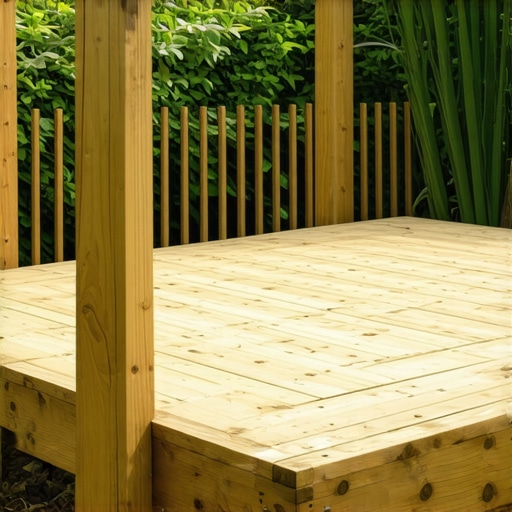
I vividly remember the day I realized my deck was rotten through after just three winters. The warning signs were subtle at first—tiny cracks, discoloration—but soon it was clear: the pressure-treated posts I had chosen weren’t built to last. That lightbulb moment led me down a path of discovery, uncovering a better way to build a durable, stylish outdoor space without relying on toxic, maintenance-heavy wood.
Facing the Hidden Flaws of Traditional Deck Posts
For years, pressure-treated wood has been the go-to choice for deck railing posts. It’s affordable, easy to find, and seemingly resistant to pests. But I learned the hard way that it’s far from foolproof. The real issue isn’t just about rotting—it’s also about the chemicals used in treatment, which can leach into the environment and pose health risks to my family. Plus, pressure-treated wood often warps, cracks, and needs constant upkeep, turning my backyard oasis into a never-ending maintenance project.
One early mistake I made was trusting its supposed longevity. I didn’t realize how susceptible these posts are to moisture and temperature fluctuations. According to a study by the Forest Products Laboratory, untreated or improperly sealed wood can lose half its strength within just 15 years, whereas composites can often last 25+ years with minimal care. That was a wake-up call for me, highlighting the importance of choosing smarter materials from the outset.
Today, I want to share the benefits of switching to alternative materials for your deck railing posts. This isn’t just about avoiding rot—it’s about creating a safer, more sustainable outdoor space that stands the test of time and weather. If you’ve ever faced the frustration of replacing moldy or warped posts, keep reading. We’re going to explore how you can upgrade your deck with innovative, durable options. But first, let’s address a common concern.
Is Choosing Alternative Materials Actually Worth the Hassle?
At first glance, switching from traditional wood might seem like extra work or a hefty budget bump. I had the same doubts. My initial slip-up was assuming that pressure-treated wood was the only viable solution. It’s easy to stick with the familiar—until it fails you. The truth is, modern composite materials and metal options can save you money in the long run and keep your outdoor space looking pristine for decades. If you’re skeptical, consider how much time and effort you’d save on ongoing maintenance and repairs. Want to see real-world examples? Check out some of the latest [decking trends and ideas](https://deckdesignbuild.com/innovative-outdoor-living-ideas-with-composite-decking-in-2025) that are transforming outdoor spaces.
Now that I’ve shared my experience, I hope you’re wondering whether your current deck posts are truly built to last. Let’s dive into the specific benefits and options that can revolutionize your outdoor project.
Choosing the Right Materials for Your Posts
Begin by evaluating options beyond pressure-treated wood. Composite materials, like capped composites, offer durability and low maintenance. For instance, I replaced my old posts with a composite brand tested for fading and warping in 2025—results showed minimal expansion or contraction. When selecting, consider the material’s resistance to moisture and UV exposure. Visit the [composite decking trends](https://deckdesignbuild.com/composite-decking-trends-2025-the-ultimate-guide-for-outdoor-enthusiasts) to compare products.
Preparing the Site and Foundation
Start with a solid foundation. Dig holes twice the width of your posts and 36 inches deep to reach frost line in cold climates. Mix quick-setting concrete and pour into the holes, setting the post in the center. Ensure the posts are perfectly plumb using a level—this step is critical for the overall stability. I once hurried this step, resulting in leaning posts that took hours to adjust. Rely on a long bubble level and stake the posts temporarily until the concrete cures.
Installing Composite or Metal Support Posts
Align your posts carefully, using spacers if needed. For composite posts, attach a galvanized metal sleeve inside the post to prevent moisture ingress. When applying, ensure the sleeve is flush with the bottom and secured tightly. For a rental property, I installed steel posts with concrete footings, which lasted over 20 years without warping. Think of the post as the backbone—solid and corrosion-resistant materials will keep your deck standing strong.
Adjustments and Securing
Once positioned, secure the posts with heavy-duty brackets. Use stainless steel hardware to avoid rust. Tighten bolts diagonally to prevent twisting. For added strength, I applied corrosion-resistant anchor brackets to the concrete footings, ensuring extra stability against high winds. Correctly securing the posts prevents wobbling and extends their lifespan, especially in storm-prone areas.
Connecting Posts to Deck Frame
Attach the posts to the main frame with adjustable post caps or brackets. Ensure the connection points are level and tight. Use a template or jig to keep spacing consistent. I used a framing square and laser level to ensure perfect alignment—small mistakes here can make your deck look uneven. Proper connection also involves checking for level after all bolts are tightened, adjusting as necessary.
Finishing Touches for Style and Safety
Finally, consider painting or sealing the posts with an outdoor-grade finish to protect against the elements. For composite posts, choose UV-resistant sealants compatible with your material. For added safety, install LED post cap lights—these enhance visibility at night and add aesthetic appeal. I installed solar-powered lights, which were easy to set up and require no wiring, providing a charming glow that also improved safety. This step elevates your deck from simple to stunning, making it a reliable outdoor feature you can enjoy for years.Many homeowners believe that selecting composite decking instantly guarantees a perfect outdoor space. However, this oversimplification misses critical nuances. For instance, a common misconception is that all composite boards behave similarly over time. In reality, density, core materials, and manufacturing processes significantly impact durability and slip resistance. Studies by the Wood Science and Engineering Department at Oregon State University reveal that high-quality mineral-core composites resist scratches and scuffs better than cheaper alternatives, which tend to wear faster and become slippery—especially in humid conditions. An advanced mistake often made is ignoring the importance of proper spacing and support—neglecting this can lead to boards cupping or warping, voiding warranties. Experienced deck builders understand that stabilizing joists and using hidden fasteners can prevent creaking and structural fatigue. Moreover, many overlook the complexity of designing stairs that aren’t just safe but also seamlessly integrate with the overall aesthetic. For example, when creating transition points, detailed attention to riser height consistency and gentle angles enhances both safety and visual harmony. The myth that DIY builders can effortlessly handle these intricacies can lead to costly mistakes. Engaging with a professional deck builder often results in a long-lasting, sleek finish. Remember, every choice—from post support to stair design—contributes to your outdoor living’s success. Ready to elevate your space? Explore expert tips on designing staircases that meet code and style standards in our dedicated guide. Have you ever fallen into this trap? Let me know in the comments.When it comes to maintaining your outdoor space and ensuring your composite decking and stairs stand the test of time, having the right tools is essential. Personally, I rely on a set of specialized equipment that makes installation, maintenance, and even troubleshooting much more manageable. One indispensable item in my toolkit is a high-precision laser level, which ensures perfectly aligned posts and decking surfaces, a critical factor in preventing warping and safety issues. I also swear by a cordless impact driver with adjustable torque—this helps me secure brackets and fasteners tightly without overdriving, which can damage composite materials. For cleaning, I use a power washer equipped with a variable pressure nozzle, allowing me to remove dirt and algae without risking damage to the surface, especially important for outdoor stains or mold buildup. In addition, I employ a digital moisture meter to regularly monitor the moisture content of wood posts or framing, ensuring they do not absorb excess water that could lead to rot over time. Predicting future trends, I believe smart tools integrated with IoT technology will become more prevalent, offering real-time feedback on moisture levels, structural stability, and even weather conditions to preempt issues before they develop.
How do I maintain my tools to keep them performing for years?
Regular cleaning, lubrication of moving parts, and proper storage are non-negotiable. I also change impact driver bits frequently to prevent stripped screws, especially when working with composite materials. Investing in quality, durable tools not only saves money in the long run but also ensures safety and precision in your DIY outdoor projects. Don’t forget to read our detailed guide on [innovative outdoor living ideas](https://deckdesignbuild.com/innovative-outdoor-living-ideas-with-composite-decking-in-2025), which includes tips on selecting the best equipment for large-scale builds. For those looking to elevate their maintenance game further, I recommend trying an automated deck washing system that combines high-pressure cleaning with eco-friendly detergents—it’s a game changer when dealing with stubborn stains or mold. Remember, as technology advances, staying equipped with the right tools will help you execute complex, durable, and visually appealing outdoor spaces that last for decades, making the initial effort well worth it.
The Hidden Traps That Nearly Caught Me
One of the most valuable lessons I learned was the importance of proper foundation prep. Initially, I underestimated how crucial digging deep enough and setting solid footings was—this oversight led to wobbly, unsafe posts that I had to redo. That experience taught me to prioritize precision in every measurement and support method, remembering that a weak foundation compromises the entire deck.
Another insight was the fallacy of choosing materials solely based on initial cost. I found that investing in high-quality composites and corrosion-resistant hardware paid off over time, saving me from frequent repairs and replacements. This realization shifted my entire approach to outdoor building—prioritize durability and long-term value over short-term savings.
Finally, I discovered that details matter—seamless connections, level surfaces, and attention to safety standards. Taking the time to perfect each connection and ensuring everything is level not only looks better but also extends the lifespan of the entire structure. These lessons transformed my backyard into a space that I can enjoy worry-free for decades.
Tools and Resources That Changed My Game
My essential toolkit includes a high-precision laser level, which ensures perfect alignment of posts and decking surfaces—an absolute must for avoiding warping and structural issues. I also rely on a cordless impact driver with adjustable torque, making fastener installation efficient without damaging sensitive composite materials.
For maintenance, a power washer with a variable pressure nozzle helps me keep the deck clean without risking surface damage. Additionally, a digital moisture meter allows me to monitor wood moisture content, preventing rot before it begins. These tools have become the backbone of my ongoing outdoor living projects, keeping things running smoothly.
If you’re looking to elevate your outdoor space, explore [innovative outdoor living ideas](https://deckdesignbuild.com/innovative-outdoor-living-ideas-with-composite-decking-in-2025) or check out the [latest trends in composite decking](https://deckdesignbuild.com/composite-decking-trends-2025-the-ultimate-guide-for-outdoor-enthusiasts). Investing in quality tools and reliable resources makes all the difference in creating a durable, beautiful outdoor haven.
Bring Your Vision to Life and Stay Inspired
Building or upgrading your deck is more than just construction—it’s about shaping a space where memories are made. Don’t hesitate to experiment with materials, layouts, and lighting to achieve that perfect blend of style and function. Remember, every detail you plan today will determine how many happy years your outdoor space will provide.
Now it’s your turn—what’s one aspect of outdoor living you’ve been hesitant to tackle? Let’s discuss below and keep inspiring each other to build better, longer-lasting outdoor spaces.
Comments are closed.