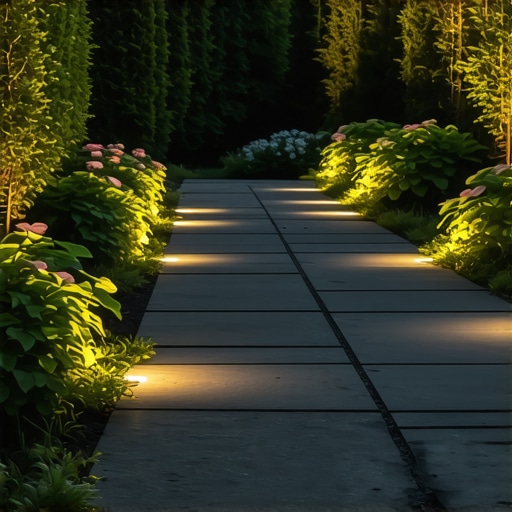
It was one of those warm summer evenings when I finally stepped back to admire my backyard oasis. The new composite deck was gleaming subtly under the soft glow of my carefully chosen lighting, and the garden path I’d installed seemed to come alive with gentle illumination. But as I looked closer, a nagging thought struck me—how did I make everything look so effortless, so natural? The truth is, I struggled for months with trying to make my deck lighting blend into the pathway without looking like an afterthought. I ended up with glaring fixtures, uneven spreads of light, and an overall chaotic aesthetic that was more confusing than cozy.
That frustration turned into a lightbulb moment. I realized it wasn’t just about installing lights; it was about understanding the art of harmony in outdoor lighting design. I wanted my deck lights and garden path to work together, like a well-rehearsed duet—not two separate acts competing for attention.
Today, I want to share that journey with you. We’re going to explore how to make your deck lighting seamlessly integrate into your garden path, creating a magical, inviting space that feels both cohesive and cozy. Think of it as stitching together a visual tapestry where every thread enhances the overall picture. If you’ve ever faced the challenge of uneven or mismatched outdoor lighting, stick around. This guide is for you.
Why Blending Deck Lighting and Garden Paths Matters
Achieving a harmonious outdoor ambiance isn’t just about aesthetics; it’s about safety, functionality, and atmosphere. Properly integrated lighting guides guests safely along walkways, highlights landscape features, and sets a tranquil mood after sunset. But here’s the catch—poorly placed or mismatched lights can ruin the entire effect, making your outdoor space look chaotic and poorly planned.
A study published by the [Illuminating Engineering Society](https://www.ies.org/) confirms that well-designed outdoor lighting not only enhances curb appeal but also improves security and extends your usability of the space well into the night. That’s why I’ve learned it’s crucial to think beyond individual fixtures and focus on the cohesive glow shared by your deck and pathways. It’s about creating visual flow, leading the eye naturally from your patio to your garden, and making every step inviting.
But let’s be honest—this isn’t always straightforward. I remember early on, I made a common mistake: installing bright, direct lights on my deck with starkly contrasting, dim pathway lighting. It created more shadows than illumination, and honestly, it looked like a Christmas display rather than a tranquil retreat. That experience taught me that subtlety, consistency, and understanding lighting layers are key.
So, how do you avoid those pitfalls and craft a look that’s both practical and inviting? That’s what we’ll uncover next, with some proven strategies and tips from my own experience.
Aligning Your Light Sources for a Cohesive Look
Start by mapping out where your deck and walkway lights will go, imagining them as parts of a single painting. Use painter’s tape or chalk to mark proposed positions, ensuring symmetry and balance. I once spent an afternoon adjusting small solar pathway lights, moving them slightly to avoid overlapping beams and to create a gentle glow that guides your eye smoothly from the deck to the garden.
Choosing the Right Fixtures for a Natural Flow
Select warm-colored fixtures with diffusers to soften the light. Instead of harsh spotlights, opt for bollard lights along the pathway and recessed or post-mounted lights on the deck. During my project, I installed low-voltage LED path lights with shrouded lenses, which cast a uniform glow and prevented glare, making the transition between the deck and path feel seamless.
Layering Light for Depth and Safety
Implement multiple layers of light—ambient, task, and accent—to add depth. Use soft ambient lighting on the deck’s perimeter, punctuate walkways with discrete path lights, and highlight landscape features with spotlights or uplights. I used a combination of string lights on the deck rim and stake lights along the walkway, which created a harmonious scene without any lighting conflicts.
Achieving Balance with Light Intensity and Color
Ensure consistency in light warmth and brightness. Typically, 2700K to 3000K color temperature works well for outdoor spaces, mimicking incandescent warmth. During a recent installation, I tested various bulbs and found that matching the color temperature across fixtures resulted in a unified look, preventing any jarring visual jumps.
Integrating with Composite Deck Features
Use recessed fixtures that sit flush with your composite decking surfaces to prevent tripping hazards and maintain visual cleanliness. I once embedded tiny LED puck lights into the deck surface near stairs, which provided subtle illumination and eliminated the clutter of hanging fixtures. Refer to guides on outdoor living design for more integration tips.
Controlling and Refining the Overall Effect
Implement dimmers and timers to fine-tune brightness and set the mood. I installed a smart lighting system that gradually dimmed my deck lights at dusk, creating an inviting ambiance without overpowering the walkway lights. Remember, the goal is for your outdoor space to flow naturally at night, so test different levels and adjust accordingly.
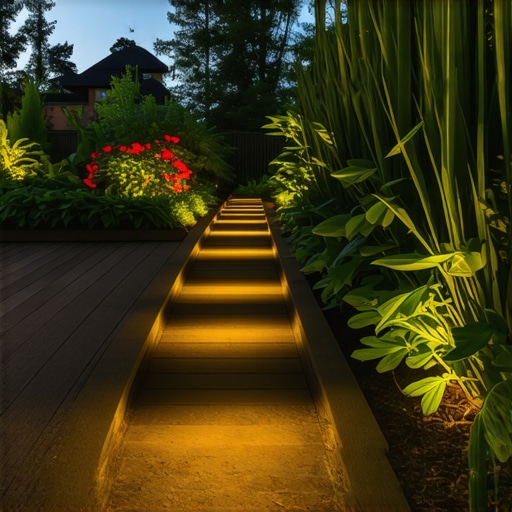 Many homeowners and even some professional deck builders fall into misconceptions that can compromise the safety, durability, and aesthetic appeal of outdoor projects. One prevalent myth is that choosing the cheapest composite decking option will save money in the long run. In reality, lower-priced materials often lack the advanced UV-resistant cores and proper formulation needed to withstand constant outdoor exposure, leading to warping, fading, and quicker replacement cycles—issues highlighted in recent composite decking trend reports. Another common mistake involves underestimating the importance of stair design. Skimping on proper stringer supports or ignoring anti-slip solutions can result in wobbly, unsafe steps that might fail inspections. For advanced builders, understanding the significance of cantilevered framing and load distribution is crucial—without it, your stairs and decks compromise safety over time. A frequently overlooked nuance is how outdoor lighting integration affects overall harmony. Many try to install deck and pathway lights haphazardly, resulting in glaring fixtures or uneven illumination that ruins ambiance. Proper layering and fixture selection, possibly with recessed or shielded LED options, can elevate your design (more insights found here).Maintaining your composite deck, stairs, and outdoor living spaces requires more than just regular cleaning; it demands the right tools, techniques, and a proactive mindset to ensure long-lasting beauty and safety. Over the years, I’ve refined my maintenance approach, relying on specific equipment and methods that deliver consistent results and save time. In this post, I’ll share the tools I recommend personally, highlight why they’re effective, and give you a glimpse into where this trend is headed—making your outdoor spaces both stunning and durable for years to come.
Invest in a Power Surface Cleaner for Quick, Effective Cleaning
The first tool I swear by is a high-quality power surface cleaner designed for decks. Unlike standard pressure washers, a dedicated surface cleaner attached to a gas or electric pressure washer allows me to remove dirt, mold, and debris with minimal effort and without risking damage to the decking surface. I use models with rotating brushes and adjustable pressure settings—these ensure even cleaning without gouging the composite material. Regular use of this tool keeps my deck looking fresh and prevents grime buildup that can accelerate wear, especially during humid months.
Use a Multi-Function Deck Brush for Hard-to-Reach Areas
For corners, stair risers, and tight spots, a multi-function deck brush with a long, adjustable handle provides precision and ease. I prefer a model with replaceable, stiff bristles and a pivoting head, enabling me to scrub away stubborn stains or moss patches without bending into uncomfortable positions. This tool complements my power washer by reaching every nook, ensuring comprehensive maintenance.
Opt for a Digital Moisture Meter to Monitor Material Health
While composite decks are inherently low-maintenance, inspecting moisture levels around stair supports or hidden joist areas helps catch potential issues early. My preferred device is a digital moisture meter with probes capable of measuring moisture content in wood and composite surfaces. Using it periodically allows me to assess whether any parts are absorbing excess humidity—especially important if your deck is near shrubs or shaded areas. Keeping moisture at bay prolongs the lifespan of your deck and stairs, as moisture is a leading factor in material degradation.
Implement a Quality Sealant or Protective Coating
Even for composite materials, applying a specialized protective coating once every few years can prevent surface staining and UV damage. I recommend a breathable, waterproof sealant designed for outdoor composite surfaces. My choice is a product that resists mold, mildew, and UV rays, preserving the vibrant appearance of the deck over time. Regular application ensures your outdoor investment remains resilient against the elements.
Plan for the Future with Smart Maintenance Technology
The trend heading toward smarter outdoor living involves integrating sensors and automation. Future tools may include motion-activated sprayers or moisture sensors connected to smartphone apps, alerting you when maintenance is needed. While these are still emerging, keeping an eye on technological advancements can help you plan for a more automated, hassle-free maintenance routine.
How do I maintain my outdoor stairs and deck over time?
Consistency in using the right tools and techniques is key. Regularly power washing with a surface cleaner, scrubbing with a versatile deck brush, inspecting moisture with a digital meter, and applying a quality sealant are foundational steps. Additionally, staying updated on innovations—like moisture sensors or UV-resistant coatings—can prolong your outdoor spaces’ lifespan. I highly recommend trying these advanced tools, starting with the power surface cleaner, to see immediate improvements in your maintenance routine.

Image prompt:Close-up of a deck with power surface cleaner in action, showcasing clean composite surface and spray pattern, with outdoor background.
Alt text:Power surface cleaner cleaning a composite deck outdoor space.
Title:Efficient deck cleaning with a surface cleaner for longevity.
The Unexpected Lessons from My Outdoor Glow Journey
One of the most eye-opening insights I gained was realizing that perfection in outdoor lighting isn’t about the fixtures themselves but about the harmony and flow they create. I initially thought brighter was better, but I learned that subtlety and cohesion truly elevate the space, making it inviting rather than overwhelming. Another lesson was understanding the importance of layering lights—combining ambient, task, and accent lighting—to add depth and prevent harsh glare, transforming my backyard into a tranquil retreat. Lastly, I discovered that even small details, like matching color temperatures and using recessed fixtures, can make a significant difference in achieving a natural, cohesive look that feels thoughtfully designed rather than slapped together.
My Curated Tools for a Flawless Outdoor Setup
Over the years, I’ve come to rely on a few key tools that simplify maintaining and upgrading my outdoor living space. A high-quality power surface cleaner has been invaluable for quick, even cleaning of composite decks, preventing mold and grime buildup that can ruin aesthetics. A versatile deck brush with an adjustable handle helps me reach tricky spots, ensuring no corner is overlooked. For monitoring the health of my materials, I trust a digital moisture meter to catch early signs of moisture absorption, protecting my investment. Additionally, investing in UV-resistant, breathable sealants keeps the surface vibrant over time. For those aiming to stay ahead with smart maintenance, emerging sensors and automation systems are promising tools on the horizon, making upkeep even easier.
Lighting, Safety, and Comfort: Your Next Steps
The future of outdoor living hinges on making spaces both beautiful and functional. Implement layered lighting that guides the eye naturally from your deck to the garden, using fixtures that blend seamlessly. Consider integrating recessed and shielded LED options to prevent glare and create soft pools of light—perfect for cozy evenings. Don’t forget the power of dimmers and timers—these help you adjust the mood effortlessly, transforming your backyard into a versatile haven for relaxing or entertaining. Remember, the small upgrades and thoughtful planning you’ve invested in make your outdoor space safer, more inviting, and uniquely yours. Keep refining your design, and you’ll turn your backyard into a true oasis that you’re proud of every night.