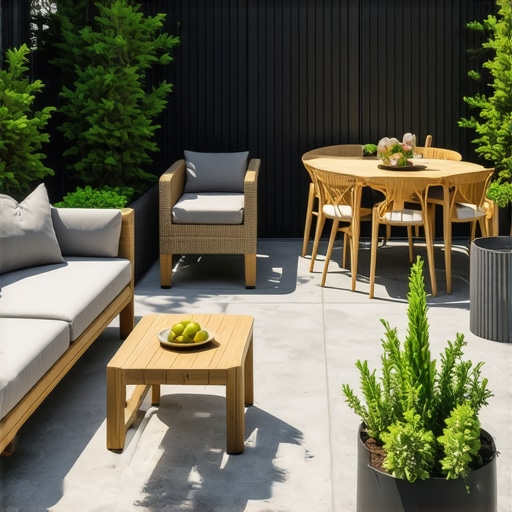
Ever since I built my first small deck, I thought I had it all figured out—until I realized I was fighting an uphill battle every time I tried to fit even a modest seating area. I’d squeeze furniture into corners, only to find it awkward or cramped. One evening, as I awkwardly navigated around a too-tiny table, it hit me: small decks require a smarter layout, not just smaller furniture. That lightbulb moment led me to explore the best furniture arrangements that maximize space without sacrificing style or comfort.
A Fresh Approach to Small Decks
Today, I want to share what I’ve learned along the way about creating inviting, functional outdoor spaces—even when square footage is at a premium. Whether you’re starting from scratch or tweaking your existing setup, figuring out the right furniture layout is key. A thoughtful plan can make your small deck feel much larger, more balanced, and genuinely welcoming. And trust me, with a few strategic choices, you might find yourself spending more time outdoors than you ever imagined.
Is Your Deck Layout Costing You Comfort and Charm?
Early on, I made the mistake of focusing solely on choosing stylish furniture without considering how to arrange it for optimal flow. The result? A cluttered, awkward space that felt more like a storage closet than an outdoor retreat. According to experts, many homeowners overlook the importance of furniture placement, leading to wasted space and frustration. A professional deck builder shared that proper layout can increase usable space by up to 30%, transforming a cramped patio into an oasis. If you’ve felt frustrated by your deck’s limitations or worried that your small space can’t be cozy, know that you’re not alone. The good news? With a few simple tricks, you can turn your compact deck into your favorite outdoor hangout. Ready to discover how? Let’s explore the essentials that can help you craft the perfect layout, no matter your deck’s size.
Start with Precise Measurements and Clear Goals
Before picking out furniture or planning your layout, measure your deck accurately using a tape measure, noting the exact dimensions and any obstructions like built-in planters or uneven surfaces. I once spent an entire Saturday sketching my deck’s layout, only to realize I had overlooked a crucial support beam, which limited my furniture placement options. Setting specific goals—such as creating a dining zone, a lounging corner, or a mix—helps prioritize space use effectively.
Prioritize Traffic Flow to Enhance Usability
Visualize Pathways
Imagine your deck as a small city. You need clear streets for movement, so avoid placing furniture in pathways. For example, I once positioned a large outdoor sofa right in the middle of my deck’s main entrance, which created a bottleneck. Instead, I rearranged the furniture to leave a wide, unblocked walkway, making the space feel more open and accessible.
Use Furniture as Space Dividers
In small decks, furniture can serve to define zones. I placed a low-profile bench to subtly separate my dining area from the lounge space, avoiding the visual clutter of walls or screens. This setup maintains openness while giving each zone its own identity.
Choose Compact, Multi-Functional Furniture
Opt for furniture that can serve multiple roles, such as stacking chairs, foldable tables, or storage ottomans. I used a foldout dining set that I could tuck away when not in use, freeing up space for other activities. Maximizing outdoor space is all about versatility and smart choices: look for pieces that are lightweight, durable, and easy to reposition.
Optimize Vertical Space for Storage and Decor
Adding vertical elements, like wall-mounted planters or hanging lights, frees up floor space. I installed shelves on my deck’s side railing, which held potted plants and lanterns, making the area look lively without cluttering the ground. Creative use of vertical space adds layers of style and function, turning a cramped deck into a lush, inviting retreat.
Implement Strategic Stairs and Transitions
If your deck has multiple levels, stairs become focal points. Using well-designed stairs ensures safety and visual appeal. I replaced my old, wobbly stairs with new ones featuring a steel stringer setup, which was straightforward with proper planning. Remember, stairs should complement your layout, not dominate it—consider options like cantilevered steps or hidden fasteners for a sleek look.
Select Durable Materials to Reduce Maintenance
Choosing the right decking material affects longevity and usability. I transitioned from traditional wood to composite decking for its low-maintenance benefits. Mineral-based composite boards with mineral cores are scratch-resistant and stand up to weather, ensuring your deck remains inviting with minimal upkeep. This strategic choice frees you up from routine repairs, letting you focus on enjoying your outdoor space.
Experiment and Adjust for Comfort
Flexibility is key. I initially placed my seating too close to the railing, which made conversations awkward. After some trial and error, I moved seats to optimize sightlines and airflow, creating a cozy, functional arrangement. Don’t hesitate to play around with different setups—small tweaks can dramatically improve the flow and comfort of your deck.
By systematically applying these steps, you’ll transform your small outdoor space into a stylish, functional haven that balances comfort, aesthetics, and practicality. Remember, the secret lies in thoughtful planning, choice of materials, and willingness to adjust as you go.
Many homeowners and even seasoned DIYers fall prey to misconceptions when it comes to creating the perfect outdoor space. One widespread mistake is assuming that choosing the most attractive materials automatically guarantees durability. In reality, experts emphasize the importance of understanding the nuances behind material properties, installation techniques, and long-term maintenance for lasting results. For example, while composite decking is often praised for low maintenance, not all brands perform equally under challenging weather conditions. To truly benefit from these materials, it’s crucial to stay informed about the latest innovations and trends, such as those outlined in the [ultimate guide for outdoor enthusiasts](https://deckdesignbuild.com/composite-decking-trends-2025-the-ultimate-guide-for-outdoor-enthusiasts). This approach prevents costly repairs and ensures your outdoor space remains inviting for years to come.
Why do some deck stairs feel unstable despite correct installation? Uncovering the hidden pitfalls can save you from future headaches and safety hazards. Mistakes like improper stringer sizing or overlooked support details are common but often unnoticed until it’s too late. According to structural experts, such oversights can lead to wobbling or even collapses over time. Learning to identify these issues early, and understanding advanced solutions like steel brackets or specialized framing hacks, can make a significant difference. For instance, [innovative stair support techniques](https://deckdesignbuild.com/creating-seamless-transitions-stairs-as-key-elements-in-outdoor-living) are transforming how professional builders approach this essential component of your deck. Remember, investing in proper stair design isn’t just about aesthetics; it’s about safety and longevity. Have you ever fallen into this trap? Let me know in the comments.Tools That Make Deck Maintenance a Breeze
Maintaining a durable, beautiful outdoor deck requires the right equipment. I personally swear by a high-quality power washer, such as the Simpson Cleaning PS3228, which offers adjustable pressure settings perfect for cleaning composite decking without causing damage. A cordless orbital sander becomes invaluable when removing stubborn stains or smoothing surfaces before sealing, especially when working on intricate railings or stairs. Investing in a good pair of safety goggles and gloves is essential, as deck maintenance can involve debris and chemical products that pose risks. For sealing and staining, I recommend a sprayer like the Wagner Control Spray MAX, which provides an even coat and saves time compared to brushes or rollers. Using these tools not only streamlines the process but also ensures thorough, consistent results that prolong your deck’s lifespan.
Effective Maintenance Techniques for Long-Term Results
Regular inspection and cleaning are the backbone of a lasting deck. I recommend scheduling a deep clean at least twice a year, utilizing a biodegradable composite deck cleaner to remove dirt and algae without harming the material. Pay close attention to the joints and connections; loose or corroded fasteners can lead to safety hazards. Applying a fresh coat of sealant or stain every 2-3 years helps protect against weathering, UV rays, and moisture penetration. I prefer using mineral-based composite protective coatings, as detailed in this expert article, which offers excellent resistance and low maintenance effort. Maintaining your deck isn’t just about aesthetics—it’s about ensuring its structural integrity over time.
How do I keep my outdoor surfaces functioning year after year?
Developing a routine maintenance schedule that includes cleaning, inspection, and timely repairs is key. Consider investing in a deck cover or pergola to shield from excessive sun and rain, reducing wear and tear. Implementing repairs promptly—such as replacing damaged boards or reinforcing stair supports—prevents minor issues from escalating. Stay informed about the latest trends and solutions, like advanced composite materials and hidden fasteners, which can significantly extend your deck’s life and ease of maintenance. For a comprehensive upgrade, consult professional resources like these expert tips that guide ongoing care and improvements. Going beyond basic care by exploring innovative techniques, such as using hidden deck joist tape, ensures your outdoor space remains reliable, safe, and inviting for years to come.
Future of Deck Maintenance and Upkeep
As materials evolve, so will maintenance practices. The move towards mineral core composites and laser-precise fasteners suggests a future where decks require less hands-on upkeep while offering increased durability. Automation, like robotic cleaning devices adapted for outdoor surfaces, could become mainstream, reducing the time homeowners spend on routine tasks. Embracing these advancements now and trying out detailed techniques, such as applying protective coatings with an advanced sprayer, will prepare you for a sustainable, low-maintenance outdoor living area. Don’t be afraid to experiment with innovative tools and methods; they can make a noticeable difference in your deck’s performance and appearance.
The Ballad of Overconfidence and What It Taught Me
Early on, I believed that picking the prettiest decking material and the trendiest furniture would make my small deck an instant retreat. However, I learned that without strategic layout and thoughtful planning, even the best materials can fall flat. It was a lightbulb moment when I realized that design principles like traffic flow and zone separation are just as critical as quality materials—these lessons transformed my approach and saved me from costly mistakes in the future.
Tools and Resources That Shaped My Deck Journey
Over time, I discovered that investing in quality tools like a power washer designed for composite surfaces and a versatile sprayer made maintenance much easier. Books such as this guide for outdoor transformations introduced me to design techniques that optimize small spaces. Additionally, trusting resources like the latest trends in composite decking kept me ahead of future-proofing my deck, ensuring durability and style mix seamlessly.
Embrace Innovation: Your Next Deck Upgrade Awaits
The future doesn’t have to be daunting—advances in materials such as mineral-based composite decks and smarter support systems mean less maintenance and more enjoyment. I encourage you to experiment with hidden fasteners, vertical planters, or zone-dividing Furniture—simple tweaks that elevate your small outdoor space from cramped to captivating. Remember, taking action today means creating a sanctuary where outdoor living becomes a cherished part of your home life. What new feature are you excited to try on your deck next? Share your ideas below and let’s inspire each other to make every inch count.
Comments are closed.