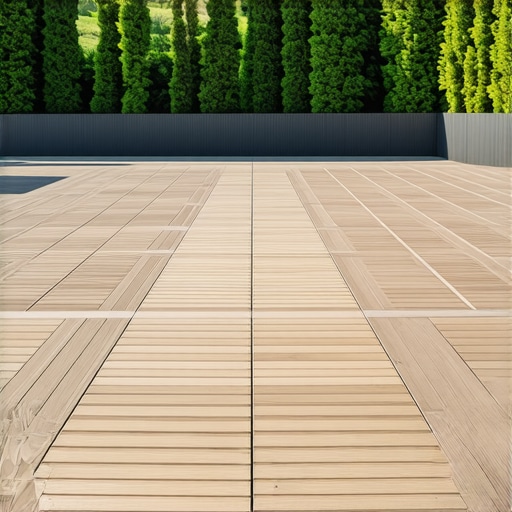
I remember standing in my backyard a few summers ago, staring at a vast, empty expanse that’s neither big enough to be a proper patio nor intimate enough to feel inviting. It was just… there. Boring, lifeless, and easy to ignore. It was one of those moments when I realized that without the right design, even the most generous outdoor areas can feel awkward or uninspired. The glaring truth hit me: large spaces need more than just a deck—they need a plan, a pattern that turns plain into picturesque.
Why a Thoughtful Decking Pattern Can Change Everything
If you’ve ever struggled with making a big outdoor area look appealing, you’re not alone. The challenge isn’t just about filling space; it’s about creating a flow, drawing attention to focal points, and making every square inch feel intentional. I’ve seen- and experienced- that choosing the wrong pattern can leave your deck feeling like an afterthought—flat, monotonous, and uninspired.
But here’s the good news: with a little knowledge and some creativity, you can transform a large, boring yard into an inviting oasis. A well-planned decking pattern acts like a roadmap for the eye, guiding visitors naturally and making the space feel cozy, cohesive, and visually appealing. And the best part? You don’t need to be a professional designer to pull it off. Staying updated with the latest trends can give you fresh ideas that are both stylish and functional, especially with New advancements in composite decking that are revolutionizing outdoor spaces in 2025.
Is Style Over Substance, or Does Pattern Matter?
Many people wonder if pattern choices make a real difference or if they’re just aesthetic fluff. I initially thought so, too—until I made a critical mistake early on. I chose a random plank layout, thinking it would be simple and quick. Turns out, that decision made my entire deck look disjointed and unpolished. It wasn’t until I studied patterns like herringbone, diagonal, and geometric arrangements that I realized how much precision and purpose can enhance the overall vibe. Expert advice confirms that strategic patterning does more than just look good—it improves structural integrity and foot traffic flow, especially over expansive areas.
Now, I’d love to help you avoid the pitfalls I experienced and empower you to pick the perfect pattern for your space—whether it’s a sprawling poolside deck, a multi-level outdoor patio, or an expansive staircase. Ready to discover the secrets that turn an ordinary deck into a stunning feature of your home? Let’s dive into the patterns that will make your large outdoor space truly stand out.
Break Down Your Space and Map It Out
Select a starting point that aligns with your home’s layout—corner, center, or main entrance. I once sketched a rough layout on graph paper, simulating different patterns for my backyard deck. This hands-on approach revealed how certain patterns, like diagonal or herringbone, could visually expand the area and create focal points. Use painter’s tape to outline your design on the actual surface; it’s a quick way to visualize without committing. This step ensures you understand how each pattern influences perception and flow.
Choose the Pattern Style Wisely
Diagonal for Dynamic Flow
Diagonal planking creates a sense of movement, making large spaces feel lively. I installed a diagonal pattern on my deck last fall, using 12-inch boards. It was more complex to lay out, but the dynamic look was worth the extra effort. Ensure your planks are cut precisely, and consider pre-marking joints to maintain alignment. Patterns like herringbone or basket weave add sophistication but require meticulous planning—use them for special zones or focal points rather than entire expansive decks.
Button the Joints for Cohesion
Consistency in joint placement elevates the design. For example, aligning joints at the same point across planks creates a seamless flow. I remember adjusting several boards mid-assembly because mismatched joints made the pattern look uneven. To simplify, create a visual grid beforehand, marking joint lines for every row. This prevents staggered joints that can distract or weaken the pattern over time.
Lay Out Boards Methodically
Start from the focal point and work outward or from the edges inward. During my project, I began at the main entrance, laying boards in sections. Use spacers to maintain consistent gaps for expansion and drainage. Also, stagger joints in adjacent rows to enhance structural integrity—this technique is standard in professional decking for durability. Regularly step back to review the pattern’s accuracy, adjusting boards before fastening.
Cut and Fit with Precision
Use a high-quality saw to ensure clean, straight cuts—mistakes here will mar the pattern’s appearance. When I installed stairs, I measured risers and treads carefully, cutting them to exact length. Remember, composite decking can be tricky if cut improperly; always double-check measurements and cut slow. For intricate cuts, a jigsaw offers precision, especially around curves or irregular spaces. Remember, tight-fitting joints between boards reinforce pattern consistency and overall stability.
Fasten Securely, but Leave Room for Movement
Use hidden fasteners or screw through the face plate, depending on your aesthetic preference. I opted for hidden fasteners, which reduced surface clutter—making the pattern stand out. Leave small gaps for expansion—composite decks can expand or contract with temperature changes. Over-tightening screws can cause stress cracks or buckling, especially over large spans. Regularly inspect and adjust fasteners to maintain a uniform pattern over time.
Incorporate Visual Accents and Transitions
Add border boards or contrasting patterns at transition points for visual interest. For my deck, I used a simpler border pattern along the edges, framing the intricate central design. This not only highlighted the pattern but also added a polished look. Stairs and transitions should flow naturally from the main decking pattern; consider using a simpler pattern on stairs to avoid visual clutter and ensure safety. Properly aligning stair stringers and visible pattern changes enhances both form and function—dive deeper into designing safe stairs in this resource.Many homeowners and even some professionals believe that selecting the right materials alone guarantees a successful outdoor project. However, a deeper look reveals nuanced pitfalls that can undermine your efforts. For example, a common misconception is that all composite decking is created equal—many assume that brand name or price tags are the only benchmarks, but in reality, subtle differences in composition, core materials, and manufacturing processes significantly impact durability and performance. According to industry experts, mineral-based composites are showing promising resistance to wear and moisture, but overlooking their installation nuances can lead to early failure.
Why do so many advanced builders still struggle with deck stability despite using premium materials?
The answer often lies in installation errors, such as improper joist spacing or neglecting expansion gaps. For instance, over-tightening fasteners is a silent killer—causing stress cracks and warping over time. Many assume that following basic guidelines suffices, but failing to account for seasonal movements and using the wrong fasteners can cause long-term issues. A recent study emphasizes the importance of using hidden fasteners and adjusting for thermal expansion to extend the lifespan of your deck. When it comes to stairs, the most overlooked mistake is neglecting the structural support beneath the stringers—this can result in wobbly or unsafe steps over time. Professional-grade installation involves precise calculations of load-bearing capacity, proper anchoring, and considering wind loads or snow weight in colder climates. Many DIYers skip these critical steps, assuming that just attaching stringers will do the trick. For a truly safe and beautiful outdoor environment, integrating your stairs seamlessly with the decking surface is vital—this not only improves aesthetics but also ensures safety and longevity. For example, incorporating stylish yet durable transition details can elevate your entire outdoor setup, as explained in this resource. Don’t forget the importance of professional consultation—assisting with advanced nuances like appropriate support beams, proper flashing, and drainage considerations can prevent costly mistakes. Remember, neglecting these subtleties might seem minor initially, but they compound over time, leading to structural failures or expensive repairs. Have you ever fallen into this trap? Let me know in the comments.
Having a stunning outdoor space is only part of the journey; keeping it functional and beautiful over time requires the right tools and maintenance practices. In my experience, investing in high-quality equipment and sticking to a regular upkeep schedule can drastically extend the lifespan of your composite decking and stairs. One tool I swear by is a cordless orbital sander with fine-grit paper. It’s perfect for smoothing out surface scratches or minor imperfections on composite boards, especially if you notice any weather-related wear. Using such a sander not only restores surface smoothness but also helps maintain a fresh, clean look without the need for costly replacements.
Another indispensable item is a quality digital moisture meter. Composite decking is designed to resist moisture, but prolonged exposure to rain and humidity can still cause subtle issues, like swelling or mold growth. Regularly testing your boards helps identify potential problems early, allowing for targeted cleaning or repairs before they escalate. For cleaning, I recommend a soft-bristled brush paired with a gentle, composite-specific cleaner. Avoid harsh chemicals that can degrade the material—recent innovations show that eco-friendly, pH-balanced cleaners effectively remove dirt and grime without damaging the finish, ensuring your deck remains safe for barefoot summer days.
Of course, routine inspections are crucial. Walk your deck and stairs at least twice a year, looking for loose fasteners or wobbly stairs. A good set of impact drivers with adjustable torque settings makes re-fastening or replacing hardware straightforward and prevents over-tightening, which can cause cracks or warping—an issue detailed in industry research on composite durability. Additionally, installing hidden fasteners not only promotes a sleek appearance but also minimizes exposure to the elements, preserving your deck’s integrity over the long haul. For ongoing protection, applying a composite-specific sealant annually can help ward off UV damage and staining—look for products with added SPF to combat sun fading, especially if your deck faces south.
Looking ahead, the trend points toward smarter, self-sustaining outdoor systems. Emerging technologies include solar-powered LED lighting embedded into stairs and railings, which require minimal maintenance and enhance safety after dark. In fact, quality lighting solutions can extend your outdoor living time and improve overall home security. To stay at the forefront, I recommend exploring the latest decking trends—they often incorporate new tools and maintenance methods that can make your projects easier and more durable.
How do I maintain my outdoor spaces after installation?
Develop a routine: clear debris, inspect for damage, and clean with eco-friendly products. Regularly check fasteners and structural hinges, tightening or replacing when needed. Use impact drivers for precision. Schedule professional inspections every 1-2 years to verify stability and safety, especially for stairs. Applying protective sealants annually shields against UV rays and moisture—especially crucial for composite materials exposed to strong sunlight. Don’t forget to incorporate advanced solutions like solar lighting or smart sensors to get the most out of your outdoor environment with minimal ongoing effort. Try implementing a biannual inspection combined with targeted cleaning—it pays off in long-term savings and peace of mind.
Over the years, I’ve realized that creating an outdoor space that truly stands out isn’t just about choosing the right materials or patterns; it’s about embracing the lessons learned along the way. The journey from a boring backyard to a captivating outdoor oasis has taught me invaluable insights that can save you time, money, and frustration. These behind-the-scenes revelations are what differentiate expert projects from amateur attempts, and now, I want to share those lightbulb moments with you.
What I Wish I Knew Before Laying My First Deck
- Plan for Seasonal Changes: I used to overlook the importance of expansion gaps, which led to buckling during hot summer days. Incorporating proper spacing from the start prevents costly repairs later.
- Choose the Right Fasteners: Impulsive purchases of cheap screws resulted in rust and pattern disruption. Investing in high-quality, corrosion-resistant fasteners keeps your deck looking pristine.
- Balance Aesthetics with Functionality: Prioritizing visual appeal over structural integrity can be dangerous. Learning about optimal joist spacing and support has made my decks safer and more durable.
- Integrate Lighting and Accessories Early: Waiting until after installation to add lighting or railings complicates the process. Planning beforehand ensures seamless integration and a polished finish.
- Consult with Professionals: Even if you’re handy, a quick consultation can highlight potential pitfalls, especially with large or complex designs. It saves time and enhances quality.
My Toolbox for a Flawless Outdoor Makeover
- High-quality fasteners— Essential for longevity and clean patterns.
- Smart layout templates— Help visualize your design before laying a single board.
- Planning tools— From graph paper to digital apps, they assist in mapping optimal placements and transitions.
- Expert guides— Provide insights on finishing touches, safety, and maintenance strategies.
- Maintenance equipment— Keep your space looking fresh with minimal effort over the years.
Ignite Your Passion for Outdoor Creativity
The potential to craft a breathtaking outdoor landscape isn’t reserved for professionals—it’s something every homeowner can achieve with patience, knowledge, and enthusiasm. Remember, each decision, from pattern choices to fastening methods, contributes to the story your outdoor space tells. So, why wait? Dive into your projects with confidence, embrace the learning curve, and watch your vision come to life. The outdoor masterpiece you’ve imagined is within reach—start today, and turn your backyard into a personal sanctuary that lasts for generations.
What’s the one aspect of outdoor decking or stairs you’re most eager to perfect? Share your thoughts below—I’d love to hear about your plans and challenges!
‘}#}# Answer with
Comments are closed.