I remember the first time I built a new set of stairs for my deck. Everything seemed perfect—tight, sturdy, and ready for summer gatherings. But after just a few weeks, I noticed a strange bounce every time someone stepped on them. It was unsettling. I had followed all the advice, used quality materials, and even had a professional look over my work. Yet, that loose feeling persisted, and I couldn’t figure out why. Turns out, I had fallen victim to a common mistake that even seasoned DIYers sometimes overlook.
Why Your New Stairs Never Feel Quite Right
This experience sparked my curiosity and a deep dive into the world of outdoor staircase construction. The culprit? The notorious Stringer Gap Mistake—a simple but insidious flaw that can make your otherwise solid stairs feel loose or wobbly. Honestly, I was surprised to learn that many outdoor stair problems originate from this tiny misalignment, which is often invisible to the naked eye. The good news? Once I identified the issue, fixing it was straightforward, saving me from future headaches and potential safety hazards.
In this post, I’ll share my personal journey and explain how this mistake sneaks into your build, how to spot it early, and what steps you can take to ensure your stairs are as safe and stable as they should be. So, if you’ve faced that Bouncy Stair Syndrome, keep reading—you’re about to learn how to set things right for good.
Does This Common Mistake Really Matter? Here’s Why It Does
Early in my project, I made a mistake that many DIY builders overlook: I didn’t double-check the gap between the stair stringers and the ledger board. That small oversight can lead to significant issues, including excessive movement and eventual damage. According to industry experts, proper alignment ensures not only safety but extends the lifespan of your outdoor stairs. A misaligned stringer can cause uneven weight distribution, leading to cracks or rot over time. Trust me, it’s worth paying close attention to this detail before installing your stairs fully.
Now that we understand why this problem is so critical, let’s explore how to identify the Stringer Gap Mistake early on, so you can prevent loose stairs from becoming a safety concern or a costly fix down the line. Ready to dive into the solutions? Let’s go!
,
Check and Measure the Stringer Gaps Early
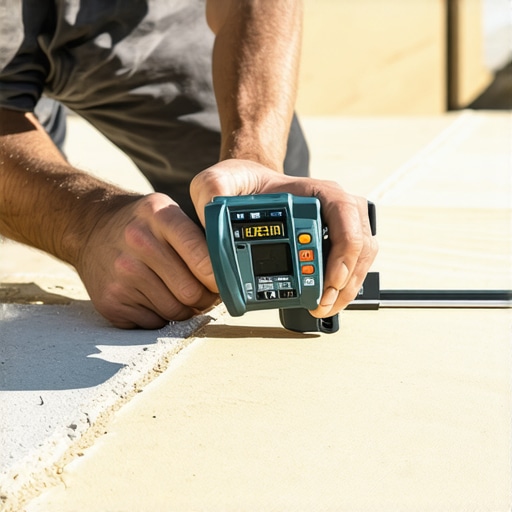
Start by carefully measuring the gaps between each stringer and the ledger board before permanently fixing anything. Use a sturdy tape measure or a digital caliper for precision. I once skipped this step, thinking my eye was enough; hours later, I realized the gaps varied slightly, causing instability. Ensuring uniformity at this stage is like tuning a guitar—small differences lead to big sound issues down the line.
Set the stringers in place temporarily and double-check the contact points with shims or wedges. If gaps are uneven, adjust the positions until all stringers sit flush. This preemptive step saves you from future wobbling or bounce. Remember, small adjustments here set the foundation for a solid, wobble-free staircase.
Secure and Double-Check the Frame Before Finalizing
Once the gaps are consistent, temporarily screw or bolt the stringers to the ledger and the support structure. Use clamps to keep them aligned. I recommend securing with quick-grip clamps first, then drilling pilot holes for fasteners. During my project, I left the bolts loose initially; this allowed me to make minor realignments before tightening everything down permanently. Think of this as the dance rehearsal—fine-tuning before the big performance.
After tightening, step onto the stairs to test for wiggle or bounce. Stand firmly at the middle of each step, applying weight evenly. If any movement persists, add a pair of steel brackets or deck screws at critical points—such as where stringers meet posts or ledger boards—to lock everything in place.
Use Proper Fasteners and Reinforcements for Long-Term Stability
Choose corrosion-resistant fasteners—galvanized or stainless steel—to prevent rust and degradation over time. When securing stringers to concrete footings, use appropriate anchors like wedge anchors or expansion bolts. I have seen steel brackets with adjustable tension, which allow fine-tuning of the stair stability after installation. Consider installing these to distribute weight evenly across all joints and prevent settling or shifting.
Remember, real stability comes from proper framing combined with quality hardware. If you’re unsure about the framing strength, consulting a professional can help you avoid future safety issues. For more insights on designing safe and stylish stairs, visit this comprehensive guide.
Regularly Inspect and Maintain Your Stairs
After installation, periodically check the tightness of fasteners, especially after heavy weather or seasonal changes. Small adjustments now can prevent major repairs later. Maintaining your stairs is much like caring for a garden—regular attention ensures longevity and safety. For advanced maintenance tips, explore this resource.
While many believe that choosing the right composite decking material is straightforward—simply pick the most popular brand or the one with the longest warranty—there are subtle details that can make or break your outdoor project’s durability and safety. A common misconception is that all composite boards behave similarly under the sun; in reality, differences in mineral content, core design, and manufacturing processes can lead to significant performance variances. For instance, mineral-based composites are often touted for their scratch resistance, but they can warp faster if not installed with proper spacing and support, contrary to popular belief. Understanding these nuances is key for long-term success.
Another nuance often missed is the impact of installation techniques on the lifespan of stairs and railings. Many overlook the importance of hidden fasteners and proper joist spacing, which are critical to prevent warping, squeaking, or even structural failure over time. Common myths, like ignoring expansion gaps, lead to costly repairs down the line. Think of it like building a house of cards; without accounting for movement, even minor shifts can cause collapse.
Why Do Some Composite Decks Warped Faster, Despite Being Higher End?
This question deserves an expert eye because not all high-end composites are created equal. External experts highlight that the core material, usually calcium carbonate or mineral fillers, influences how a board reacts to heat and moisture. An industry study confirms that darker boards absorb more heat, leading to faster warp if not properly supported. Therefore, selecting a lighter color or mineral composites with superior heat resistance can drastically improve longevity. Understanding these advanced details prevents costly mistakes, especially when designing an outdoor space meant to last for decades.
Furthermore, ignoring the importance of proper framing support can accelerate warping and squeaking issues. Installing joists with the recommended spacing and reinforcing weak points, especially around stairs and transitions, ensures stability. DIYers often skip detailed framing guides, resulting in a bouncy or creaky deck, which is not just uncomfortable but unsafe. For a comprehensive approach, check out this resource on seamless transition design, which emphasizes how critical proper framing and detail-precision are for outdoor living spaces.
Be aware of the hidden trap of ignoring climate-specific installation: your local humidity, temperature swings, and sun exposure can significantly influence material performance. Failing to adapt your build process to these nuances can void warranties or cause premature failure. It’s a common pitfall that many overlook until they face costly repairs, reinforcing the value of consulting experienced professional deck builders—whose insights go beyond the basics. For expert guidance, visit this detailed guide.
Tools I Recommend for Long-Term Deck and Stair Maintenance
Maintaining durable and beautiful composite decking, especially around stairs and outdoor living areas, requires precise tools. I personally rely on a few key pieces of equipment to ensure my projects stand the test of time. For measuring gaps and alignment, a quality digital caliper is non-negotiable—I use the Mitutoyo Absolute Digimatic because of its accuracy and ease of use. When it’s time to tighten fasteners or secure framing, I prefer impact drivers with adjustable torque settings, like the DeWalt DCF899, ensuring I avoid over-tightening and damaging materials. For inspecting hidden spaces or tight corners, a flexible inspection mirror and a LED flashlight combined help me spot issues early, preventing problems from escalating.
Power drills fitted with the right bits streamline the process of installing brackets and reinforcing weak points in your stairs. I recommend a set of star driver bits for deck screws—these reduce cam-out and make the job smoother. Additionally, a sturdy moisture meter like the Dr.Meter MD918 ensures your framing is dry before sealing, mitigating the risk of rot and warping down the line. By investing in these tools, DIYers can approach maintenance tasks with confidence, achieving professional results that last.
On the software side, I use design programs like SketchUp to visualize modifications or evaluate layout changes before breaking ground. For ongoing inspection schedules, a dedicated maintenance app such as iHandy Level provides quick checkups for levelness and alignment, particularly useful after seasonal shifts that might cause settling. Embracing these tools has markedly reduced call-backs and repairs, saving time and money.
How can regular tool upkeep make a difference?
Keep your tools clean, calibrated, and well-lubricated. Sharp bits and well-maintained impact drivers prevent accidents and material damage during installation or repairs. For example, dull drill bits generate excessive heat, risking damage to composite surfaces. I make a habit of sharpening bits or replacing worn-out ones every few projects. This simple step enhances safety and makes your maintenance routines more efficient. As composite decking and outdoor stair systems evolve, staying equipped with the right tools is essential. For more on advanced deck-building techniques, visit this guide.
To future-proof your outdoor living spaces, I predict a rise in smart inspection devices, like connected moisture sensors and Bluetooth-enabled surveys, making regular maintenance easier and more accurate. These innovations can alert you to potential issues before they escalate, saving costly repairs later.
Make Maintenance a Habit, Not a Hassle
Establishing a routine—quarterly or bi-annual—inspection schedule helps keep your deck and stairs in prime condition. A quick visual scan complemented by limited use of your moisture meter or level can catch small problems early. Remember, proactive maintenance beats reactive repairs. Regularly tightening fasteners, checking for signs of rot or warping, and using the right hardware can prolong the lifespan of your outdoor structures. Want to deepen your maintenance skills? Consider consulting a professional or exploring detailed guides like this resource.
Now, challenge yourself: pick one advanced tip from above—such as investing in a digital caliper or moisture meter—and incorporate it into your next maintenance routine. See the difference it makes in catching issues early and ensuring your outdoor living investment remains safe and stunning for years to come.
What Hidden Lessons Transformed My Deck Building Journey
Discovering the significance of meticulous measurements early on taught me that every tiny gap or misalignment could compromise safety and durability. I realized that my initial oversight in checking stringer gaps could have led to costly repairs or safety hazards, emphasizing the importance of precision over haste. The overlooked detail of securing fasteners with the right torque made me appreciate how small tweaks can prevent future squeaks or wobble. Also, understanding the material nuances of composite decking revealed that superficial choices often mask deeper performance issues—it’s about the core, not just the surface.
Tools that Changed How I Maintain Outdoor Spaces
My trusted digital caliper helps me catch subtle gaps that could weaken structure over time, while impact drivers ensure fasteners don’t strip or become loose. A moisture meter has been pivotal in assessing framing health before sealing, prolonging deck life. Furthermore, design software like SketchUp allows me to visualize modifications, avoiding costly trial-and-error. Regular inspections with smart tools like Bluetooth sensors turn maintenance into proactive care, saving time and unexpected repair costs. Investing in quality tools isn’t just convenience; it’s a safeguard for lasting outdoor living spaces.
Design Smart, Build Confidently—Your Outdoor Living Revolution
If you’re eager to elevate your outdoor space, remember that detailed attention and continuous learning are your best allies. From proper framing techniques to choosing resilient materials, every decision shapes your deck’s future. Don’t hesitate to consult the comprehensive guides available at this resource and embrace innovative solutions. By applying these insights, you’re not just building stairs or decks—you’re creating reliable retreats that invite lasting memories. Your next project awaits—start with confidence and craftsmanship. How will you implement these lessons into your next outdoor upgrade? Let me know below.
Comments are closed.