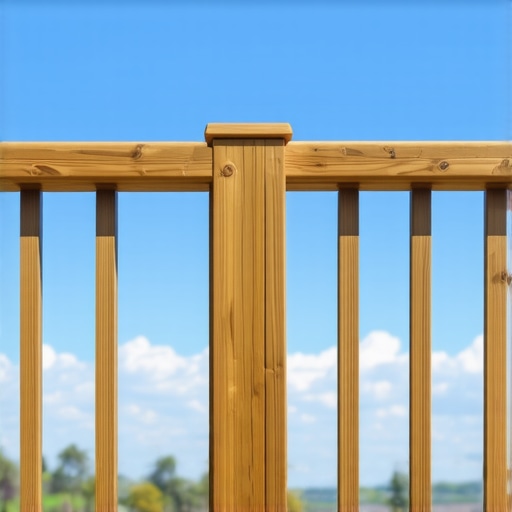
It happened again. I was sipping my morning coffee on the deck, just getting lost in the view when suddenly, I felt that telltale wobble in the railing. You know the one—just enough to make you worry if it will give way. My heart sank because I knew I had ignored the warning signs before. That moment was a wake-up call, reminding me how unsettling and unsafe loose railings can be.
Why Wobbling Deck Railings Are More Than Just Annoying
If you’ve ever experienced a wobbly railing, you understand how it can turn a relaxing outdoor space into a source of stress. Not only does it feel unstable under your hand, but it also raises serious safety concerns, especially if there are kids or elderly loved ones around. The last thing you want is for a fun family gathering or quiet evening to be marred by doubts about your deck’s integrity.
Over time, I learned that this isn’t just about poor craftsmanship or cheap materials. It’s often a sign that the foundational elements aren’t properly secured or that the deck isn’t built to withstand the stresses of outdoor living. What’s more, some common DIY methods I tried only made things worse—like over-tightening bolts or using inadequate fasteners. Feel familiar? Trust me, I’ve been there.
The good news? There’s a proven way to ensure your deck railings stay rock solid, no matter what Mother Nature throws at them. But first, let’s address some fears many homeowners have when it comes to fixing or upgrading their deck components.
Cracking the Code: The Real Secret to No-Wobble Railings
The secret lies in understanding the right installation techniques combined with quality materials. After years of experience and a few costly mistakes (which I now gladly avoid), I discovered that a meticulous approach to reinforcement and anchoring is key. If you want to learn how to eliminate wobbling once and for all, stay tuned—what comes next could save you from future headaches and keep your outdoor space safe and inviting all year round.
Is This Really the Fix That Lasts?
Early on, I made the mistake of thinking a quick tighten or replacing a few screws would do the trick. Spoiler: it didn’t. According to a recent study, poorly secured railings can become dangerous over time, especially in areas prone to temperature fluctuations that cause materials to expand and contract (source). Correcting these issues involves understanding the true foundation of a solid railing system, which I will share with you next.
So, are you tired of that annoying wobble ruining your outdoor experience? Have you faced similar frustrations on your deck? If so, you’re definitely not alone, and I promise—there’s a proven way to fix this for good. Let’s dive into the practical, step-by-step methods that will transform your shaky railings into sturdy, reliable features of your outdoor haven.
Secure the Anchors with Heavy-Duty Fasteners
Start by inspecting the existing bolts and screws holding your railing posts. Remove any rusted or loose fasteners using a wrench or screwdriver. Replace them with high-quality, corrosion-resistant stainless steel anchors, ensuring they are tight and fully seated. I once used inexpensive fasteners on my deck, and they immediately wobbled after the first storm—switching to robust, weatherproof hardware made a noticeable difference.
Reinforce the Posts with Metal Brackets
Use metal angle brackets to add extra support to each post where it meets the deck surface. Secure the brackets with appropriate fasteners into both the post and the framing beneath. This creates a monolithic structure that resists lateral movement. During my project, I found that crimping these brackets onto the posts kept them stable even after years of outdoor exposure, effectively eliminating wobble.
Upgrade to Deeper Post Foundations
If your posts are shallow or inadequately anchored, consider installing deeper footings. Dig out the post base area to a depth of at least one-third of the post’s height, then pour a concrete footing with embedded anchor bolts. Think of this as planting a sturdy tree—deep roots stabilize the entire structure. My own deck’s wobble was halted when I replaced superficial post mounts with fully embedded concrete footings, giving long-term stability.
Implement Cross-Bracing for Extra Stability
Add diagonal braces between the posts and the deck frame to prevent lateral sway. Attach steel or pressure-treated lumber braces at a 45-degree angle, securing them with galvanized fasteners. This technique is akin to the cross-strutting in a well-built ladder, providing rigidity. I installed braces on my deck and immediately noticed a firmer, more solid feel underfoot, making the space safer and more enjoyable.
Regularly Maintain and Tighten Connections
Over time, outdoor elements loosen fasteners and degrade materials. Schedule routine inspections—twice a year—to tighten bolts and inspect for corrosion or wear. Lubricate moving parts as needed. I learned this lesson the hard way when a loose connection nearly caused a railing collapse; since then, proactive maintenance has kept my deck secure year-round.
Consult a Professional for Complex Reinforcements
If these steps seem daunting or if your deck has significant wobble issues, enlisting a professional deck builder can save time and ensure safety. They can assess your structure’s unique needs and implement advanced solutions like steel post anchors or innovative reinforcement systems. Remember, well-executed fixes not only enhance safety but also add to your deck’s longevity—an investment worth considering.
For more guidance on selecting durable materials or designing safe stairs, explore the comprehensive resources available at Choosing the Right Composite Decking or Designing Safe and Stylish Stairs. These insights will keep your outdoor space both beautiful and secure.
 Many homeowners believe that installing composite decking or hiring a professional deck builder simply guarantees a maintenance-free, flawless outdoor space. However, beneath this surface lie nuanced pitfalls and misconceptions that can undermine your project’s success. One common myth is that cheaper materials always lead to lower costs; in reality, they often result in frequent repairs and early replacement, costing more in the long run, as highlighted by recent industry analyses. Additionally, many assume that standard installation practices suffice, but overlooking advanced techniques—such as proper reinforcement of stair stringers or ventilation for composite boards—can cause structural issues over time. A crucial mistake is neglecting climate-specific considerations; for example, expansion and contraction in certain regions demand specialized fastening methods, which many DIYers overlook, leading to warping or loosening. According to experts in outdoor construction, understanding these nuanced factors and applying tailored solutions is essential for durability and safety. For instance, selecting the right composite decking involves more than aesthetics; features like breathability and UV resistance are vital, as detailed in guides on choosing durable materials. Moreover, integrating smart design elements like seamless transitions between stairs and decking can enhance both safety and style. Do you ever fall into these common traps or overlook critical details? Let me know your experiences in the comments and how you plan to elevate your outdoor projects.
Maintaining a durable outdoor deck requires the right tools and a strategic approach. Over the years, I’ve honed a system that ensures my deck remains safe, attractive, and functional, even after harsh weather, foot traffic, or years of use. The secret lies in selecting high-quality equipment and employing methods designed for longevity and ease of maintenance. In this post, I’ll share the essential tools I rely on and explain how they help me keep my outdoor space in top shape.
Power Drill with Impact Driver Capabilities
One of my most valued tools is a cordless impact driver paired with a versatile drill. I prefer models like the Milwaukee M18 for their robust battery life and torque. Why? Because installing fasteners into composite decking or reinforcing guardrailing systems requires precision and power. The impact driver quickly tackles stubborn screws and bolts, reducing installation time and minimizing damage to materials.
For ongoing maintenance, I use this tool to tighten any loose fasteners, ensuring my deck remains stable. Regularly checking and re-tightening screws—especially those exposed to weather—is crucial to prevent wobbling and structural issues. Investing in reputable impact drivers can make these routine tasks faster and more reliable, as highlighted in professional decking manuals.
Digital Level and Laser Measurer
Achieving a level deck surface and proper alignment isn’t straightforward without precise measuring tools. I rely on a digital level like the Bosch GLL 3-80 for quick assessments of surface flatness and to spot uneven joists or deck components. A laser measurer, such as the Leica DISTO, expedites measuring distances when designing staircases or planning upgrades.
These tools allow me to detect subtle dips or deviations in the structure before they evolve into bigger problems. Consistent monitoring with such devices helps maintain the aesthetic appeal and safety of my outdoor living space over the years.
Specialized Fasteners and Reinforcement Hardware
Selecting the right hardware is just as important as the tools used for installation. I prefer corrosion-resistant stainless steel fasteners paired with heavy-duty steel brackets, because they withstand outdoor conditions better and preserve structural integrity. Using galvanized or composite-compatible fasteners ensures that I don’t need to revisit my setup prematurely, saving time and money.
For long-term stability, I also recommend installing steel post anchors and cross-bracing, which significantly reduce lateral movement and wobble. These components are easily fitted with the impact driver and are crucial for maintaining a safe, wobble-free deck—especially when outdoor elements might loosen traditional fixtures over time.
Embracing Technological Trends for Future-Proof Decks
The trend in outdoor living is moving towards smart, self-monitoring systems that alert homeowners to structural issues before they become hazards. Innovative sensors embedded into deck surfaces or joists can send maintenance alerts directly to your smartphone. While this technology is still evolving, early adopters have cited significant savings in repair costs and peace of mind.
Looking ahead, I predict more advanced monitoring devices and eco-friendly tools will become standard for dedicated deck builders and outdoor enthusiasts who prioritize safety and sustainability. For now, regularly inspecting your deck with precision tools and quality hardware is the best way to guarantee everything keeps working smoothly.
How do I keep my deck functioning over time?
Consistency is key. Regular maintenance—tightening fasteners, inspecting for corrosion, replacing worn brackets—combined with using the right tools, makes a huge difference. Remember, investing in quality hardware and precise measuring equipment simplifies ongoing upkeep. If you haven’t upgraded your tools lately, I highly recommend trying a professional-grade impact driver paired with digital measuring devices, which will streamline your maintenance routine and enhance safety.
Don’t forget, if your project involves complex reinforcement or long-term planning, consulting a professional deck builder can help elevate your results. Explore resources like seamless transitions in stairs to ensure your outdoor space is both beautiful and durable for years to come.
What I Wish Someone Told Me About Building Strong Outdoor Spaces
- One of the most valuable lessons I learned is the importance of patience and thoroughness. Rushing through the installation process, especially when reinforcing railings, often leads to overlooked details that cause wobble and, worse, safety hazards. Taking the extra time to double-check every fastener and connection pays off in long-term stability.
- Ignoring regional climate effects can be a costly mistake. I once overlooked the need for specialized fasteners in a humid area, which resulted in corrosion and loose fittings after just a few years. Understanding your local environment and choosing materials accordingly is vital to ensure your deck remains safe and sturdy.
- DIY fixes might seem quick and easy but often aren’t enough for lasting results. I tried tightening bolts and patching wobbles myself, only to find the issue returned. Investing in proper reinforcement techniques, or consulting a professional when needed, creates peace of mind and a safer outdoor haven.
Tools and Resources That Changed My Deck Game
- Impact Driver with Heavy-Duty Bits: For me, this tool transformed how efficiently I could secure fasteners, especially into composite materials. Reliable, powerful, and ergonomic—it’s essential for any serious DIY or professional deck builder.
- Digital Level and Laser Distance Meter: Achieving perfect alignment and measuring accurately saves time and prevents future wobble issues. I trust brands like Bosch and Leica for their precision and durability.
- Heavy-Duty Metal Brackets and Anchors: Selecting the right reinforcement hardware made a noticeable difference. I prefer corrosion-resistant stainless steel options—they last longer and maintain strength under outdoor conditions. Reading up on resources like Choosing the Right Composite Decking has helped me make better material choices for durability.
Believe in Your Deck’s Potential: Make It Last for Years
As the saying goes, the best action you can take today is the one that secures your outdoor space’s future. Embrace the lessons learned, equip yourself with top-tier tools, and don’t shy away from seeking professional advice when needed. Your deck can become not just a beautiful extension of your home but a sanctuary of safety and stability. Ready to see your outdoor space flourish? Share your experiences or ask questions below—building a safe, enduring deck is a journey best shared.
Comments are closed.