

It was a sunny afternoon when I watched my elderly neighbor nearly slip and tumble down her newly built deck staircase. That flash of panic stayed with me, sparking a realization: outdoor stairs aren’t just about looks—they need to be safe, especially as we design for an aging population and evolving outdoor lifestyles. If you’ve ever experienced that moment of hesitation when stepping onto a slick or uneven stair, you know exactly what I mean.
Why Slip-Resistant Staircases Matter More Than Ever
In recent years, outdoor living has skyrocketed; decks are no longer just backyard additions but extensions of our indoor comfort and style. But with increased use comes increased risk. I learned the hard way that overlooking slip-resistance can turn your dream deck into a dangerous hazard. According to the CDC, falls on outdoor stairs significantly contribute to injuries among all age groups, especially seniors. This fact surprised me—most people focus on aesthetics or durability, but safety should come first.
Developing a staircase that balances style, durability, and safety isn’t as daunting as it might seem. Today, I want to share practical, slip-resistant staircase ideas that will transform your outdoor space into a safe haven for everyone. Ready to make your deck stairs safer and more stylish? Let’s dive into some innovative design ideas.
Is the Latest Trend in Slip-Resistant Deck Stairs Worth the Hype?
I admit, early in my deck-building journey, I underestimated the importance of slip-resistance. I thought choosing a durable material was enough until I received a call from a friend slipping on his deck stairs last summer. That was a wake-up call. Since then, I’ve researched extensively to find the most effective, stylish slip-resistant solutions. For expert tips, check out [this comprehensive guide](https://deckdesignbuild.com/expert-guide-building-stylish-decks-stairs-for-outdoor-living-in-2024). Understanding common mistakes, like neglecting proper tread texture or choosing slick surface finishes, helps us build safer outdoor environments.
Now, armed with insights and real-world experience, let’s explore the best staircase designs that won’t compromise safety or style. By incorporating these ideas, you’ll be well on your way to creating outdoor stairs that are not only aesthetically pleasing but also provide peace of mind for years to come.
Choose the Right Material for Safety and Style
Start by selecting durable, slip-resistant materials. Composite decking is a popular choice because it combines low maintenance with excellent grip. Look for options with textured surfaces or anti-slip features to prevent falls. When I built my own deck, I opted for composite boards with textured finishes, which drastically reduced slipping even when wet. For a comprehensive understanding, explore [choosing the right composite decking](https://deckdesignbuild.com/choosing-the-right-composite-decking-for-durable-low-maintenance-outdoor-areas).
Prioritize textured surfaces or non-slip coatings
Textured surfaces significantly boost traction. If your selected composite lacks grip, consider applying non-slip tapes or coatings designed for outdoor stairs. I applied a specialized non-slip coating to my staircase, which created a rough texture—making a noticeable difference during rain. This is comparable to the grip of boat decks that are designed to stay dry despite water exposure.
Design Stairs for Accessibility and Safety
Incorporate consistent tread depth and riser heights. Variable dimensions create tripping hazards. Use a measuring tape and a carpenter’s level to ensure uniformity. During my project, I used spacing templates to keep riser heights within ¼ inch variation, which smoothed out the walking experience. Precise measurements prevent missteps, especially for seniors or children.
Install proper lighting to enhance visibility
Lighting is critical. Use outdoor-rated LED lights along the steps or embedded into the risers to illuminate each tread. I installed step lights that automatically turn on at dusk, enhancing safety without sacrificing aesthetics. Consider solar-powered options to reduce wiring complexity and energy costs.
Integrate Accessibility Features Without Compromising Style
Adding handrails and landings improves safety. For a seamless look, choose materials matching your stairs—powder-coated aluminum or painted wood can be attractive. I built a handrail from cedar that complemented the composite decking, ensuring both form and function. Remember, compliant handrails typically should be between 34-38 inches high and extend beyond the top and bottom steps for enhanced support.
Apply contrasting colors for visual clarity
Use contrasting colors or textures on the leading edges of steps to help visually impaired individuals distinguish each stair vividly. I painted a bright stripe on the edge of each tread, which proved invaluable during evening use.
Maintain and Evaluate Your Staircase Regularly
Inspect for wear, damage, or accumulation of debris. Clear off leaves and dirt, especially in textured areas, to preserve grip. I schedule bi-monthly checks, which include sweeping and testing the non-slip coatings—preventing minor issues from becoming serious hazards. Regular upkeep is as important as the initial design.
By applying these core techniques, you transform your outdoor stairs into a safe, stylish feature—drawing inspiration from expert guidance like this comprehensive deck-building resource. A mindful approach to materials, design, and maintenance ensures longevity and peace of mind for everyone enjoying your outdoor space.
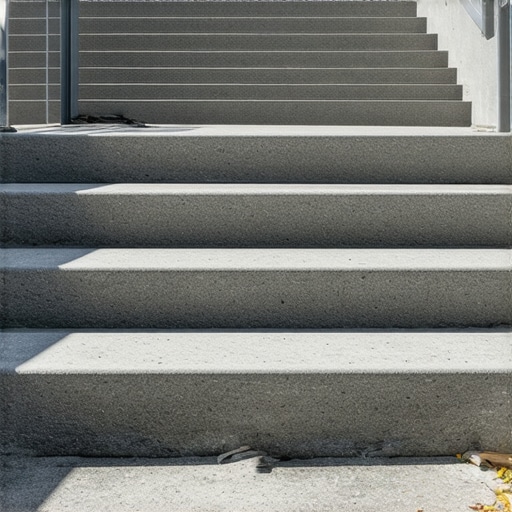 Many homeowners and even some professionals fall prey to misconceptions that can compromise safety and longevity when designing outdoor living spaces. One widespread myth is that selecting a highly decorative composite decking material automatically makes the entire deck safer and more durable. In reality, not all composite options are equal—some lack the textured surfaces necessary for slip resistance on stairs and walkways. As emphasized in [this trend guide](https://deckdesignbuild.com/composite-decking-trends-2025-the-ultimate-guide-for-outdoor-enthusiasts), choosing the right finish and texture is crucial for safety, especially in environments prone to moisture or shade.
Another common error is assuming that a skilled deck builder will inherently account for all safety nuances. While expertise plays a significant role, it’s essential for homeowners to understand that the most durable and stylish outdoor stairs require specific attention to detail—like consistent riser heights and proper lighting—which can easily be overlooked during construction. According to experts, mistakes such as inconsistent tread depths can lead to tripping hazards, undermining even the best designs. For a comprehensive overview, see [how a skilled deck builder can elevate your outdoor space](https://deckdesignbuild.com/how-a-skilled-deck-builder-can-turn-your-garden-into-a-private-oasis).
When it comes to advanced considerations, many overlook the importance of proper drainage and ventilation in outdoor stair design. Poor drainage can lead to water pooling on treads, severely diminishing slip resistance over time and encouraging mold growth. Ventilation, on the other hand, prevents trapped moisture that can accelerate material degradation. This subtle but critical nuance is often neglected, yet it directly influences the lifespan and safety of outdoor structures. Recent studies suggest that integrating these factors can reduce maintenance costs and prevent accidents, as highlighted in [this expert guide](https://deckdesignbuild.com/expert-guide-building-stylish-decks-stairs-for-outdoor-living-in-2024).
Have you ever fallen into this trap? Let me know in the comments.
Now, let’s explore how to transcend these common pitfalls and design outdoor stairs that are both safe and truly exceptional.Maintaining your outdoor deck and its stairs in peak condition requires the right tools and a consistent approach. Personally, I rely heavily on a high-quality power washer to remove dirt and debris that can compromise slip resistance over time. A commercial-grade pressure washer with adjustable PSI ensures you can clean without damaging composite surfaces, especially textured finishes designed for safety. To address staining or surface wear, I use a deck-specific rejuvenator and non-slip coatings, which renew the surface’s grip and visual appeal—these are essential for durability and safety in climates with frequent rain or shade. For ease of application, I prefer brushes that allow for uniform coating, and always follow manufacturer instructions meticulously to ensure longevity.
Using the right cleaning agents is crucial; I choose biodegradable detergents that break down grime without harming the environment or the deck material. Regular inspection tools, like a sturdy level and a measuring tape, help verify that stair risers and treads remain uniform, which is key for safety. Having a detailed maintenance checklist and scheduling bi-annual inspections ensures that minor issues like loose handrails or surface abrasions are addressed before they escalate.
Most professionals recommend documenting your maintenance routine with photos, which I do to track wear patterns over the seasons. Additionally, an anti-slip spray or tape can be reapplied periodically to maintain traction, especially in high-traffic or moisture-prone areas. Investing in a good LED flashlight makes it easier to spot hidden damages or debris in shadowed stair areas.
Looking ahead, I predict that smart maintenance tools—such as app-connected moisture meters and UV sensors—will become standard, allowing homeowners to monitor their decks remotely and schedule upkeep proactively. This trend will empower users to catch potential safety hazards early, extending the lifespan of their outdoor spaces.
How do I keep my deck and stairs functional over the long haul?
Regular cleaning, timely repairs, and applying protective coatings are the foundation. Incorporating durable, textured composite decking with anti-slip features makes a significant difference, as highlighted in [this expert guide](https://deckdesignbuild.com/ultimate-outdoor-living-guide-stylish-stairs-composite-decks-in-2024). When rebuilding or upgrading, consider tools like orbital sanders for surface smoothing and paint sprayers for even coating application—these save time and improve quality. Don’t hesitate to experiment with advanced techniques like applying anti-slip coatings during your next maintenance cycle. The key is consistency—set a schedule and stick with it to keep your outdoor area safe and inviting for years to come.
What I Didn’t Expect About Outdoor Safety
One of the biggest surprises I encountered was realizing how often overlooked details—like uniform riser heights or textured surfaces—can make all the difference in ensuring outdoor staircase safety. It taught me that even small inconsistencies or choosing just any material can lead to hazards, especially for seniors or kids. This lesson pushed me to pay closer attention to every element during my deck projects.
How My Perspective Changed on DIY Versus Professional Help
I used to believe that a skilled DIYer could handle all aspects of outdoor staircase design safely. However, after witnessing the complexities of proper drainage, lighting, and material selection, I now see that professionals bring invaluable insights that prevent costly mistakes. Collaborating with experts, like those at this professional deck builder guide, can elevate the safety and aesthetic of your outdoor space.
The Power of Consistent Maintenance
I discovered that regular upkeep—such as cleaning textured surfaces, inspecting handrails, and reapplying non-slip coatings—keeps outdoor stairs safe year after year. Neglecting these small routines can lead to unexpected slips and accidents. Knowing this has motivated me to create a maintenance schedule that preserves both the beauty and safety of my deck.
How Smart Design Elements Save You Future Headaches
Incorporating thoughtful features like proper lighting, contrasting edges, and accessible handrails from the start can prevent a multitude of safety issues down the line. I learned that investing time and effort into these details—based on expert tips from this comprehensive resource—is a strategic move that pays off with peace of mind and safety.
Where My Confidence in Outdoor Design Fully Blossomed
After applying these lessons, I feel more confident in designing outdoor stairs that are both stylish and secure. I now understand that safety begins with intentional choices—materials, measurements, lighting, and maintenance—and that a well-crafted outdoor staircase can truly enhance your home’s beauty and functionality. If you’re ready, I encourage you to take the leap and create a space that everyone can enjoy safely for years to come.
Fostering a Safer Outdoor Future
Building or renovating outdoor stairs might seem daunting at first, but with the right knowledge and attention, you can transform your space into a sanctuary of safety and elegance. Remember, small details matter immensely; they are the difference between a beautiful deck and one that’s risky. So, embrace the process, learn from expert resources, and enjoy the journey of elevating your outdoor living experience.
What’s the biggest challenge you face when designing or maintaining outdoor stairs? Share your thoughts below—let’s support each other in creating safer outdoor environments!
,