
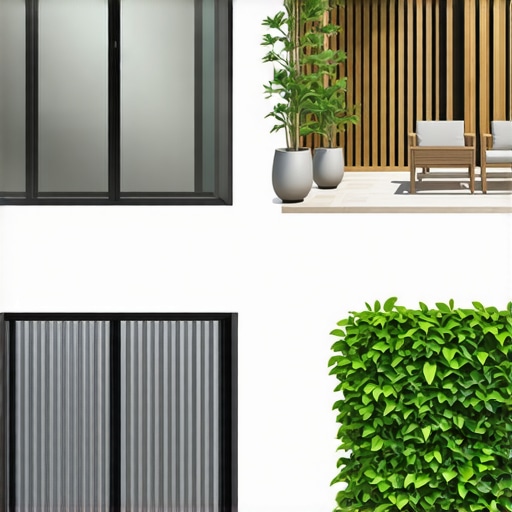
One summer afternoon, I remember standing on my deck, squinting at the neighboring backyard through a tangle of flimsy lattice panels. That moment hit me hard—the realization that my outdoor space lacked real privacy, comfort, and style. I had invested so much into my deck, from choosing the perfect composite material to designing seamless stairs that complimented my home’s architecture. Yet, my privacy was an afterthought, making outdoor gatherings feel exposed and compromised. That lightbulb moment prompted me to rethink what privacy really means in our outdoor living spaces, especially with the upcoming trends in 2026.
Why Privacy Matters More Than Ever in 2026 Outdoor Design
As outdoor living continues to evolve, privacy remains a top concern for homeowners. It’s not just about blocking view; it’s about creating an oasis that feels secluded and personal amidst the hustle and bustle. Investing in clever privacy screens can boost your outdoor area’s functionality and aesthetic appeal, transforming it into a sanctuary for relaxation, entertaining, or even outdoor workspaces. Early on, I made the mistake of opting for cheap, visually unappealing screens that disintegrated after a season—trust me, it was a costly lesson in quality over cost. Modern privacy screens now leverage innovative materials and design techniques, making them more durable, stylish, and effective than ever before.
Is a Privacy Screen Really Worth the Hype?
You might be skeptical—after all, aren’t these just decorative barriers? Or will they just turn your outdoor space into a fortress? I used to think that way too, until I realized that a well-designed privacy screen isn’t just a barrier; it’s a key element that can elevate your entire outdoor experience. Today, I’ll share some of the most exciting modern privacy screen ideas for 2026 that will help you get the most out of your outdoor living area without sacrificing style or comfort. Curious how to select the perfect privacy solution that fits your space and budget? Dive in, and I’ll show you how to turn that flimsy lattice into a stylish, long-lasting feature that offers both privacy and instant curb appeal. And if you’re wondering about other elements—like seamless stairs or durable decking—I’ve got insider tips and links to game-changing trends for your next project. For further reading, explore the latest composite decking trends at this comprehensive guide.
Stay tuned—your outdoor privacy upgrade awaits, and I’ll walk you through the top ideas and practical steps to make it happen in 2026.
Select the Right Material for Your Privacy Screen
Start by choosing durable, weather-resistant materials like composite panels or metal slats. I once tried installing bamboo screens in my first project, but they warped after a summer rain—lesson learned. For longevity and style, opt for materials designed specifically for outdoor use, such as those highlighted in this guide. This ensures your privacy screen remains both functional and attractive for years.
Measure Carefully Before Cutting
Use a tape measure to determine the exact length and height needed, accounting for your existing deck or fencing height. I once underestimated the height and ended up with a screen that was too short, leaving gaps at the top. To prevent this, double-check your measurements and add a few extra inches for overlap or posts—precision here saves headaches later. Mark your measurements clearly on your chosen panels or slats for a clean cut.
Securely Fasten Your Privacy Screen
Choose appropriate fasteners like stainless steel screws or brackets to withstand the elements. When I installed my privacy panels, I initially used nails, which rusted within months—costly mistake. Now, I prefer stainless steel or aluminum fasteners as recommended in expert tips. Attach the panels to sturdy posts or existing structures, ensuring a tight fit to resist wind and weather. Using a level during installation guarantees a straight, professional finish.
Enhance Privacy with Design Features
Add lattice tops, angled slats, or plants like climbing roses to increase privacy and aesthetic appeal. For instance, I installed angled slats on my last project, which created visual interest and enhanced privacy without making the space feel closed in. Consider integrating such features into your design for a balance of openness and seclusion. This approach not only elevates the look but also maximizes the privacy function.
Optimize with Sealing and Maintenance
Seal your privacy screens with weatherproof finishes to prolong their lifespan. I learned this the hard way after neglecting sealing; my panels faded and cracked early on. Use outdoor-grade sealants or paint as suggested in recommended resources. Regular maintenance, such as cleaning with a gentle detergent, keeps your screens looking fresh and prevents mold buildup. Proper sealing and upkeep are crucial steps to ensure your investment endures the test of time.
Integrate with Surrounding Elements
Match your privacy screen style with your deck design and other outdoor features. For example, I coordinated my screens with the tone of my composite decking, creating a cohesive and inviting space. Use complementary colors, textures, and materials to make the privacy feature feel natural and intentional. Refer to this guide for additional ideas on seamless integration.
Implementing these steps transforms an ineffective, flimsy barrier into a stunning privacy feature that enhances your backyard’s usability and charm. Precise measurement, material choice, secure fastening, visual design, and maintenance collectively create a reliable and attractive privacy solution tailored for the 2026 outdoor living trends.
 Many homeowners diving into outdoor projects assume they know everything about deck building, but some misconceptions can lead to costly mistakes. Firstly, a widespread myth is that cheaper materials always save money in the long run. In reality, choosing inferior materials like low-grade composite or untreated wood can result in frequent repairs, replacements, and safety hazards. Modern composite decking, such as those reviewed in this guide, offers durable, low-maintenance options that justify initial investment. Another common mistake is underestimating the importance of proper framing, especially for stairs. Using standard joist spacing without considering load requirements and expansion factors can cause sagging or even structural failure over time. Advanced builders carefully measure and select high-density materials, as highlighted in premium brands, to ensure safety and longevity. People often overlook the nuances of staircase design, like tread width and riser height, which directly impact safety and comfort. For instance, incorporating wider treads not only enhances the aesthetic but also significantly reduces tripping risks, especially in wet conditions. I’ve seen many DIYers neglect these details, leading to unsafe configurations. A crucial yet overlooked aspect is the proper fastening system—using hidden fasteners can prevent squeaks and maintain a sleek appearance. However, many homeowners rely on visible screws, which can loosen or corrode, compromising both safety and visual appeal. According to expert insights, investing in quality fasteners is vital. Additionally, there’s a misconception that finishing and sealing are unnecessary for composite materials. Many believe that composite decks are entirely maintenance-free, but untreated surfaces can crack or discolor without proper sealing, especially in extreme weather conditions. Regular cleaning and resealing using recommended products can extend your deck’s lifespan. Do you see any of these myths in your projects? Let me know in the comments. Remember, understanding these nuances helps you avoid expensive pitfalls and creates a safer, more beautiful outdoor space.
Keep Your Deck in Top Shape with the Right Tools
Maintaining a beautiful and functional outdoor space requires precision and the right equipment. I personally rely on a high-quality cordless reciprocating saw, like the Dewalt DWE315, to make clean, accurate cuts through composite panels and stair stringers without hassle. Its lightweight design and variable speed control let me tailor every cut for different materials, ensuring seamless installation and adjustments. Alongside, a digital angle finder, such as the Bosch Digital Angle Finder, helps me verify that every component aligns perfectly, preventing uneven stairs or gaps that could compromise safety and aesthetic appeal. Using these tools regularly simplifies maintenance tasks and keeps the project looking polished over time.
Power Washers Make Long-Term Upkeep Easier
For regular cleaning, I swear by the Sun Joe SPX3000 pressure washer. Its adjustable pressure and dual-tank system allow me to remove dirt, mold, and algae without damaging the composite surface. I find that a biannual deep clean using this washer not only preserves the vibrant color of my deck but also extends its lifespan by preventing material degradation. Remember, choosing a pressure washer with at least 2030 PSI and a variety of nozzles helps you tackle different surfaces effectively—an investment that pays off by reducing costly repairs down the line. Proper cleaning now sets the stage for easier maintenance in the future and keeps your outdoor space inviting year-round.
Smart Storage Ensures Long-Lasting Results
Storing your tools properly is often overlooked but crucial. I keep my saw blades and fasteners in moisture-resistant storage bins, like the Rubbermaid Locky Stackable Container, which prevents rust and corrosion. This simple habit reduces tool wear and keeps my equipment ready for the next project, whether I’m upgrading stairs or adding privacy screens. Additionally, investing in a durable outdoor toolbox from Husky allows me to organize hardware efficiently, saving time during repairs or adjustments. Consistent tool maintenance and proper storage ensure your investment in quality tools isn’t wasted and that upkeep becomes quicker and more effective over the long haul.
How Do I Maintain My Deck and Outdoor Features Over Time?
Scheduling regular inspections is vital. I check for loose fasteners, signs of rot, or swelling in composite boards at least twice a year, especially after seasons with heavy rain or snow. For fastener issues, I use a power drill with a socket attachment to tighten or replace compromised screws swiftly. When it’s time to reseal, I turn to high-quality weatherproof sealants like the Behr Premium Weatherproofing All-In-One Wood Shield, which I apply with a brush or sprayer, focusing on joints and edges. Keep in mind, consistent upkeep using reliable tools not only prolongs your deck’s life but also maintains its safety and visual appeal. For a detailed guide on selecting the best tools for ongoing care, visit this resource. Try incorporating these advanced maintenance tips—they make all the difference in achieving a stunning, durable outdoor space that stands the test of time.
The Hidden Lessons That Shaped My Outdoor Vision
- Sometimes, I underestimated the importance of using weatherproof seals on my composite decking; now I know that sealing isn’t just an extra step—it’s the key to lasting beauty and protection against the elements and I wish I had appreciated quality fasteners earlier, as rusted screws led to costly repairs and taught me to invest in stainless steel from the start. Lastly, I learned the hard way that designing stairs with proper tread width and riser height isn’t just about safety—it’s about creating a space where family and friends feel secure and comfortable. These lightbulb moments remind me that every detail from materials to measurements contributes to a stunning, durable outdoor space that truly stands out in 2026 and beyond.
My Go-To Resources for Next-Level Outdoor Projects
- Deck Design & Trends Guide: I rely on this guide to stay ahead of the latest composite decking innovations and style ideas, helping me recommend the best products for durability and aesthetic appeal.
- Tool Arsenal: For precision cuts and measurements, I trust my Dewalt DWE315 reciprocating saw and Bosch Digital Angle Finder, because accurate work reduces rework, saves time, and ensures safety. These tools have made a huge difference in my quality of craftsmanship.
- Maintenance Essentials: Regular cleaning with the Sun Joe SPX3000 pressure washer and sealing with Behr Weatherproofing products keep my outdoor features looking fresh, extending their lifespan and reducing future expenses. These resources are my secret weapons for long-term excellence.
Your Next Outdoor Leap Starts Now
Embarking on outdoor living projects like privacy screens and stylish stairs can feel daunting, but remember—every small step you take is an investment in a space that brings joy and value. Use the insights and tools I’ve shared to craft a backyard that’s not only visually stunning but also built to last through 2026 and beyond. Your outdoor oasis awaits; don’t hesitate to start transforming your outdoor living experience today. Whether you’re planning a complete deck overhaul or just adding a finishing touch, now is the perfect time to make your vision a reality. How are you planning to elevate your outdoor space this year? Share your ideas below—I’d love to hear your plans and help you refine them further.